Recent Arrests of 'Aurat March' Activists Highlight Concerns Over Free Speech in Pakistan
Synopsis
The recent arrests of 'Aurat March' activists in Islamabad raise serious concerns about the suppression of free speech and the right to peaceful protest in Pakistan. The incident reflects a broader pattern of curbing civic engagement in the country.
Key Takeaways
Peaceful Protest Rights: The right to peaceful assembly is constitutionally protected.
Section 144 Misuse: This provision is increasingly used to preempt dissent rather than ensure public safety. 'Aurat March' Significance: The march serves as a vital platform for advocating women's rights and highlighting gender issues.
Civil Society Response: Activists and organizations are demanding accountability for police actions.
Call for Investigations: There is a pressing need for investigations into the handling of the protest.
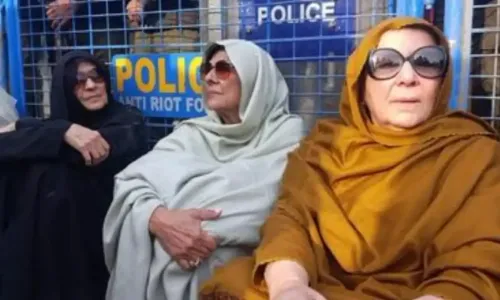
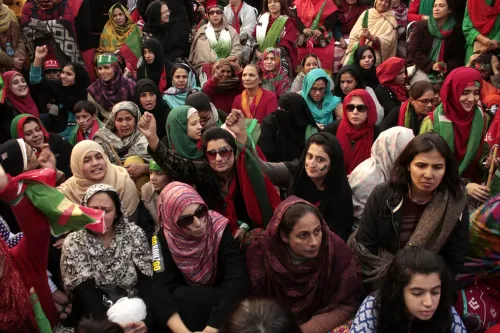
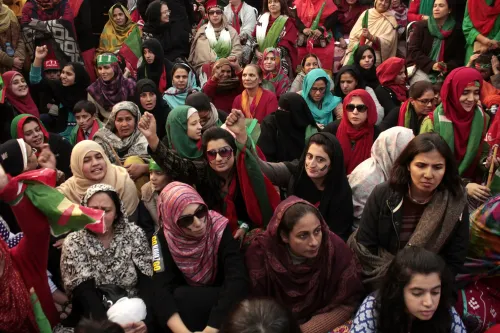
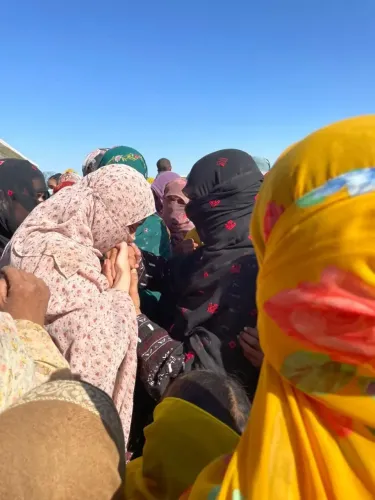
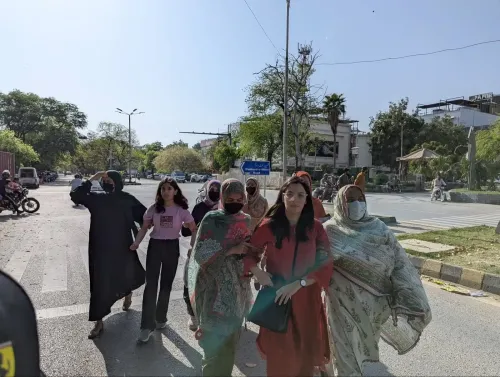
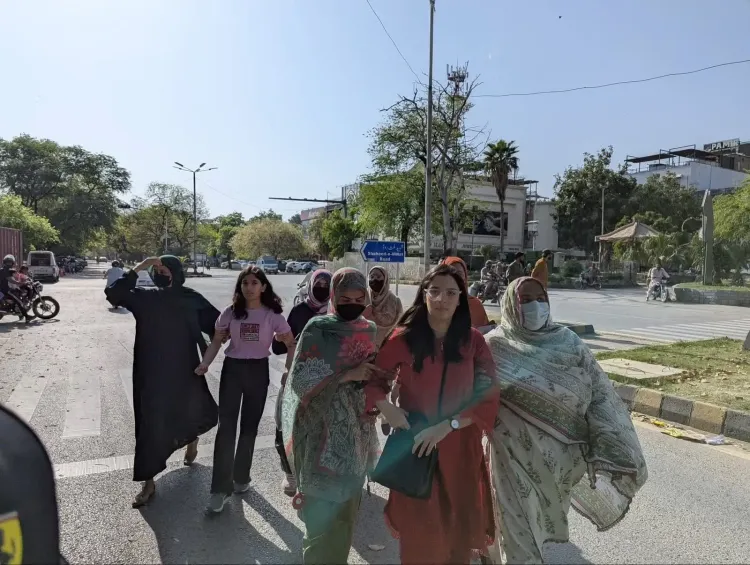
Islamabad, March 11 (NationPress) In a disturbing incident, local law enforcement in Islamabad apprehended multiple activists of the 'Aurat March' earlier this week. These individuals had gathered near the National Press Club to advocate for gender justice in honor of International Women's Day. Reports indicate that even those who visited the police station seeking information about the detained activists were also taken into custody. This excessive response highlights a concerning pattern in Pakistan, where the right to peaceful protest is routinely suppressed through bureaucratic measures and aggressive policing, as reported by local media.
The detained activists were accused of participating in an assembly considered unlawful under Section 144 of the Criminal Procedure Code, following the district administration's refusal to grant a no-objection certificate for the march. Although all those arrested were released later, the incident raises alarms as the women seeking protection against gender-based violence and discrimination were arrested by the very state responsible for safeguarding their rights.
The editorial from Pakistan's prominent daily, Dawn, stated, "Section 144 is intended to prevent violence or threats to public order. However, it has increasingly been misused to obstruct dissent instead of addressing real security issues. When peaceful demonstrations are treated as law-and-order threats, the state essentially criminalizes civic participation."
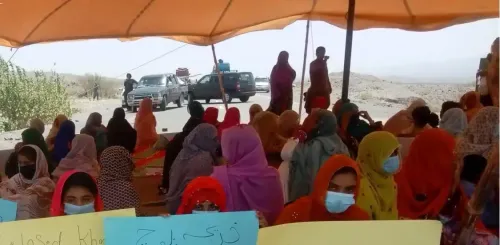
Since its inception in 2018, the 'Aurat March' has served as an essential platform for women and marginalized communities to voice concerns surrounding domestic violence, forced marriages, and access to justice. Regardless of differing opinions on the marchers' slogans, their right to assemble and express themselves must be upheld.
The 'Aurat March' leadership, along with civil society members and human rights advocates, condemned the actions of Pakistani authorities for “manhandling and intimidating them, compelling them to sign unjust affidavits.” At a press conference at the National Press Club, they called for an inquiry into the events and accountability for those responsible.
Prominent activist Farzana Bari, who was detained with her daughters, reminded that the march has been occurring annually. "We were aware of the imposition of Section 144 in the federal capital, yet civil society cannot accept any law that violates fundamental rights. Our right to protest cannot be rescinded. While similar protests took place worldwide, we faced threats of being attacked by a suicide bomber," she stated, as quoted by Dawn.
The Secretary General of the Human Rights Commission of Pakistan (HRCP), Haris Khaliq, emphasized that while they do not advocate for breaking the law, societies cannot function under laws such as the Prevention of Electronic Crimes Act (Peca) that infringe on basic freedoms.
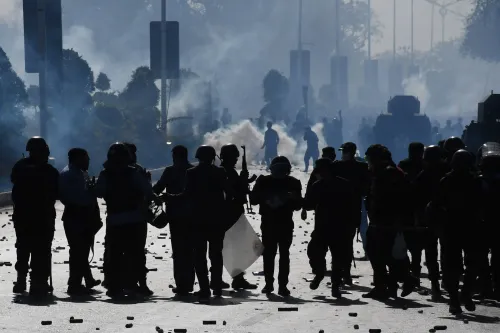
“Yesterday, girls were physically assaulted and detained. They were taken to a women’s police station, and when their families arrived, they were also detained. Baton charges were used against the girls; their hair was pulled, and they were coerced into signing false affidavits,” Dawn reported Khaliq as stating.
Point of View
It is critical to recognize that the right to protest is fundamental to a democratic society. The recent arrests of 'Aurat March' activists highlight a concerning trend where administrative measures are used to suppress dissent. It is essential to uphold civic engagement and ensure that all voices, especially those advocating for gender justice, are heard and protected.
NationPress
8 Oct 2026
Frequently Asked Questions
What is the 'Aurat March'?
The 'Aurat March' is an annual event in Pakistan aimed at advocating for women's rights and addressing issues like domestic violence and gender discrimination.
Why were the activists arrested?
The activists were arrested for participating in a peaceful assembly that was deemed unlawful under Section 144 of the Criminal Procedure Code.
What is Section 144?
Section 144 is a provision in the Criminal Procedure Code that prohibits gatherings of five or more individuals in an area to prevent disturbances to public peace.
What actions have been taken by civil society in response?
Civil society members and human rights advocates have condemned the arrests and called for an investigation into the police's actions.
What does this incident imply about free speech in Pakistan?
This incident reflects a troubling pattern of suppressing free speech and the right to protest, raising concerns about civic freedoms in Pakistan.