Pakistan's Aurat March: Sindh's 28-point curbs expose state double standards
Synopsis
Pakistan's Sindh government handed Aurat March Karachi a 28-point restriction order instead of a march permit — policing slogans, speech, and clothing. When organisers tried to hold a press conference, police arrested activist Sheema Kermani and others outside the Karachi Press Club. The HRCP called it a pattern of systematic denial, not an isolated incident.
Key Takeaways
The Sindh government imposed 28-point restrictions on Aurat March Karachi , regulating slogans, speech, and clothing.
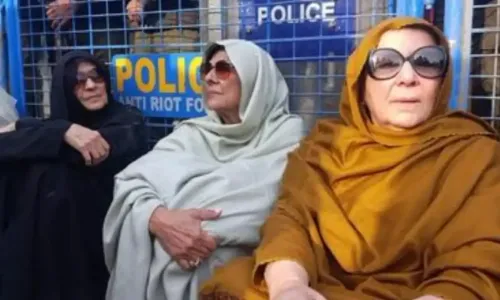
On 5 May 2026 , police briefly detained Aurat March organisers outside the Karachi Press Club , including activist Sheema Kermani and transgender activist Shehzadi Rai .
The Human Rights Commission of Pakistan (HRCP) condemned the arrests as part of a "broader and deeply troubling pattern" of denying public space to citizens.
Leading Pakistani daily Dawn called the restrictions a "distressing example of familiar double standards" against women demanding their rights.
Rights advocates are urging the Sindh government to withdraw the curbs and uphold constitutional guarantees of peaceful assembly and free expression.
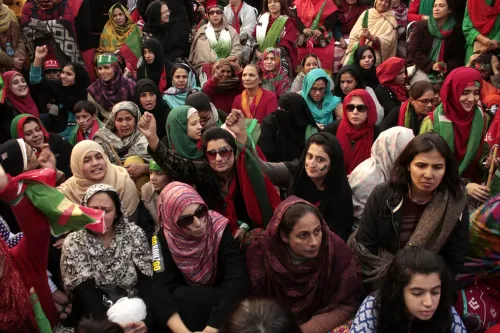
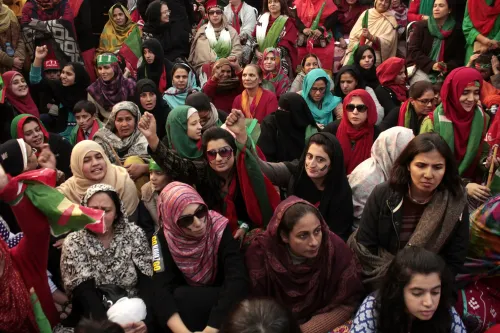
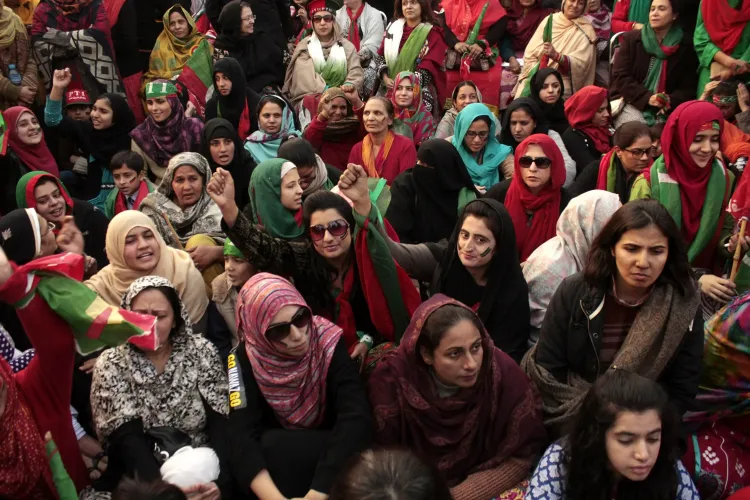
The Sindh provincial government in Pakistan has drawn sharp criticism after imposing 28-point restrictions on Aurat March Karachi, with local media and rights bodies calling it a "distressing example of familiar double standards" — where women celebrated in official speeches are labelled threats the moment they begin demanding constitutional rights.
What the Restrictions Entail
According to an editorial in leading Pakistani daily Dawn, organisers of the march had sought a simple permission to hold a peaceful rally for women's rights. Instead, authorities responded with what the newspaper described as "a document dripping with authoritarian anxiety." The conditions reportedly policed slogans, speech, and even the clothing of participants.
"Rather than facilitating peaceful assembly, the administration chose to police slogans, speech and even clothing. The vague and sweeping conditions betray insecurity. Why does a march calling attention to gender violence and economic inequality provoke such discomfort in official circles?" Dawn wrote in its editorial. The paper further noted: "Secure governments do not fear placards, nor do they attempt to dictate what citizens may wear while exercising their rights."
Arrests Outside Karachi Press Club
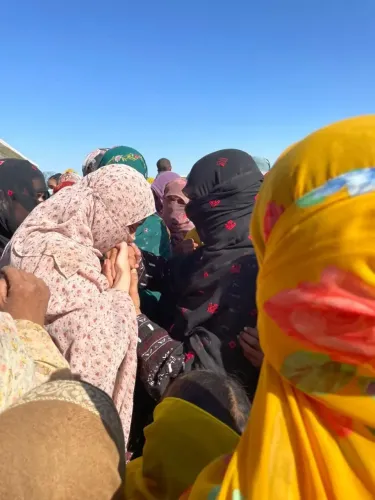
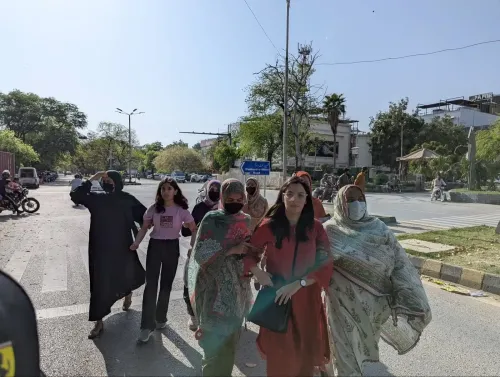
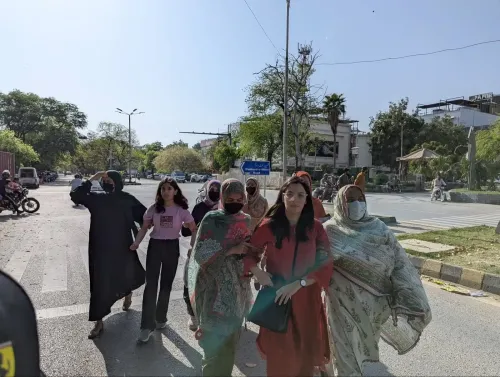
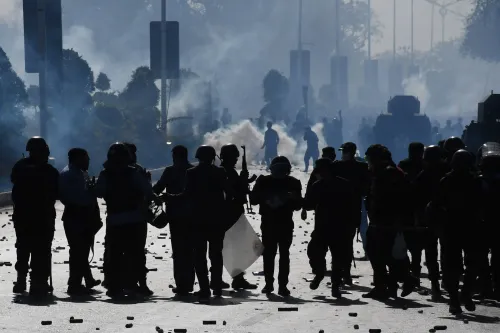
On 5 May 2026, police briefly arrested several Aurat March leaders and volunteers outside the Karachi Press Club, where they had gathered to hold a press conference. Those detained included prominent activist and artist Sheema Kermani, transgender activist Shehzadi Rai, and a volunteer identified as Muniza, among others.
The Human Rights Commission of Pakistan (HRCP) swiftly condemned the detentions, stating that preventing citizens from holding a press conference reflects an "increasingly repressive approach to governance" where dissent is treated as a threat rather than a democratic necessity.
HRCP's Broader Indictment
In a statement posted on X, the HRCP said: "This incident is not isolated overreach but rather part of a broader and deeply troubling pattern: the systematic denial of public space to citizens seeking to articulate their rights." The body stressed that the rights to peaceful assembly and freedom of expression are constitutionally guaranteed in Pakistan, and that targeting women and marginalised groups in this manner was particularly alarming.
The Wider Context of Gender Violence
The Dawn editorial underscored a stark contradiction at the heart of the state's approach: the majority of perpetrators of violence against women in Pakistan are men, yet it is women — facing harassment on roads, in workplaces and at home, subjected to honour killings, domestic abuse, forced marriages, and institutional discrimination — who find themselves regulated and restricted by authorities.
"In 2026, women in Pakistan must still seek permission to demand dignity while the state reserves the right to determine how loudly, how politically and even how appropriately dressed they may be while doing so. We have miles to go before we can claim to be a progressive society," the newspaper noted.
What Happens Next
The crackdown on Aurat March Karachi has reignited debate about civil liberties and the shrinking space for dissent in Pakistan. Rights advocates are calling on the Sindh government to withdraw the restrictions and ensure that women and marginalised groups can exercise their constitutional rights without bureaucratic obstruction. Whether authorities respond or double down will be closely watched by civil society organisations across the country.
Point of View
The clothing clauses, the slogan policing — each element signals that the state's discomfort is not with disorder but with female agency itself. Pakistan's constitutional guarantees are not in dispute; what is in dispute is whether those guarantees apply to women who refuse to be decorative.
NationPress
24 Sept 2026
Frequently Asked Questions
What is Aurat March and why was it restricted in Karachi?
Aurat March is an annual women's rights demonstration held across Pakistani cities. In 2026, the Sindh government imposed 28-point restrictions on the Karachi edition, reportedly regulating participants' slogans, speech, and clothing, drawing condemnation from rights groups and media.
Who was arrested outside the Karachi Press Club?
Police briefly detained several Aurat March organisers and volunteers on 5 May 2026, including activist and artist Sheema Kermani, transgender activist Shehzadi Rai, and a volunteer named Muniza, among others, as they gathered to hold a press conference.
What did the Human Rights Commission of Pakistan say?
The HRCP strongly condemned the arrests, calling them part of a "broader and deeply troubling pattern" of systematically denying public space to citizens. It stressed that the rights to peaceful assembly and free expression are constitutionally guaranteed in Pakistan.
Why does Dawn call this a case of double standards?
Dawn argued that the Pakistani state celebrates women in official speeches and choreographed events but labels them threats when they independently demand rights — a contradiction that the 28-point restriction order makes starkly visible.
What are the key issues Aurat March raises in Pakistan?
Aurat March draws attention to gender-based violence, honour killings, domestic abuse, forced marriages, workplace harassment, and institutional discrimination — issues that, according to Dawn, the state sidesteps by regulating women rather than addressing the structures that enable such violence.