India GDP growth forecast at 6.6% in FY27, inflation at 5.1%: Crisil
Synopsis
Crisil Ratings has cut India's FY27 growth outlook to 6.6% and raised its inflation forecast to 5.1%, citing a record energy shock from the Strait of Hormuz closure — with crude above $110 per barrel — and El Niño-driven monsoon risk. The dual headwind of external energy disruption and domestic weather stress is a rare and serious combination for India's economy.
Key Takeaways
Crisil Ratings projects India's GDP growth at 6.6% for FY27 , amid geopolitical and weather headwinds.
Retail inflation is forecast to average 5.1% in FY27, driven by energy and food price pressures.
The Strait of Hormuz closure has triggered the largest energy shock on record, per S&P Global , with supply losses of at least 10% of global oil output.
Brent crude forecasts revised to $90–95 per barrel ; prices crossed $110 per barrel in April despite a ceasefire.
El Niño -led sub-normal monsoon is expected to disrupt agricultural production and constrain household consumption.
The government has limited energy price pass-through to consumers and announced industry cushioning measures.
India's GDP is projected to grow 6.6% in fiscal year 2027 (FY27) while retail inflation is expected to average 5.1%, according to a report released on Monday, 11 May by Crisil Ratings. The revised outlook reflects mounting pressure from geopolitical tensions in West Asia and the prospect of a sub-normal monsoon driven by El Niño conditions.
Energy Shock from Strait of Hormuz Closure
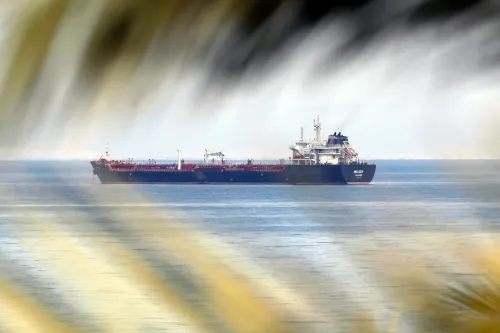
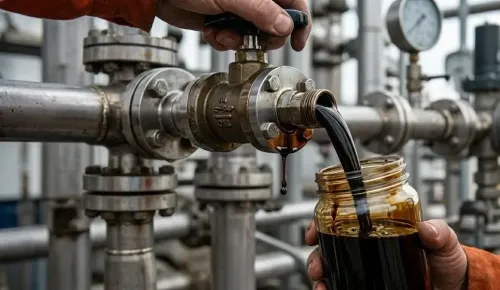
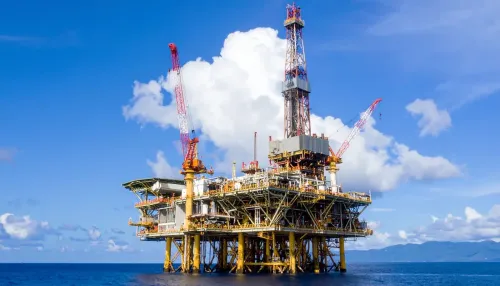
The de facto shutdown of the Strait of Hormuz for over two months has created what S&P Global describes as the largest energy shock on record, with supply losses estimated at at least 10% of global oil and derivatives output. Brent crude price forecasts have been revised upward to $90–95 per barrel from a previous range of $82–87 per barrel, according to the Crisil report.
Crude oil prices have remained above $100 per barrel since mid-March and crossed $110 per barrel in April, even after a ceasefire was announced. The disruption has widened well beyond energy markets, affecting freight, insurance, fertiliser supply chains, and broader commodity pricing — effects that analysts say will take time to normalise even after the route reopens, given damage to oil and gas infrastructure across West Asia.
El Niño and Monsoon Risk
Beyond the energy shock, El Niño conditions are expected to produce a sub-normal monsoon this fiscal, adding further pressure to India's growth-inflation mix. Agricultural production disruptions are likely to keep food prices elevated, constraining household budgets and weighing on private consumption — a key driver of India's domestic demand story.
Notably, this combination of an external energy shock and a domestic weather-related supply squeeze represents a dual headwind that India has not faced at this scale in recent years.
Input Costs, Government Response
Input cost pressures have risen sharply for producers across sectors, which Crisil Ratings warns will simultaneously drag GDP growth and push up retail inflation. The government has so far limited the pass-through of higher energy prices to end consumers and has announced measures to cushion industry, though the report does not specify the quantum of those interventions.
The ongoing conflict has also underscored the importance of building resilience in energy and food security, the report noted, calling it essential for sustaining high growth over the long run amid a shifting geopolitical landscape.
What the Numbers Mean for India
A 6.6% GDP growth forecast, while still placing India among the world's fastest-growing major economies, represents a moderation from earlier projections. Elevated inflation at 5.1% could complicate the Reserve Bank of India's (RBI) monetary policy calculus, particularly if food and energy price pressures prove stickier than anticipated. Higher inflation also risks eroding real wage gains and restraining the private consumption recovery that policymakers have been counting on.
How quickly the Strait of Hormuz situation normalises and whether the monsoon season surprises on the upside will be the two most consequential variables shaping India's economic trajectory through FY27.
Point of View
But the Crisil report is really a warning about compounding risks — not a reassurance. The Strait of Hormuz shock is structural in the short term: infrastructure damage in West Asia means even a ceasefire does not quickly normalise supply chains. Layer on top a potential El Niño monsoon failure and you have simultaneous supply-side shocks on energy and food — precisely the combination that the RBI's inflation models struggle with. The government's decision to absorb energy price increases rather than pass them through buys social stability but widens the fiscal arithmetic at a time when capital expenditure is needed to sustain growth. The real question is whether the 6.6% forecast holds if both risks materialise simultaneously.
NationPress
24 Sept 2026
Frequently Asked Questions
What is Crisil's GDP growth forecast for India in FY27?
Crisil Ratings has projected India's GDP to grow at 6.6% in fiscal year 2027 (FY27). The forecast factors in headwinds from the West Asia conflict, elevated crude oil prices, and the risk of a sub-normal monsoon due to El Niño conditions.
Why is India's inflation expected to rise to 5.1% in FY27?
Retail inflation is forecast to average 5.1% in FY27, driven by elevated energy prices following the Strait of Hormuz closure and potential disruptions to agricultural output from an El Niño-induced sub-normal monsoon. Higher input costs are expected to be partially passed on to consumers.
How has the Strait of Hormuz closure affected India's economy?
The de facto shutdown of the Strait of Hormuz for over two months has pushed Brent crude forecasts to $90–95 per barrel and kept prices above $100 per barrel since mid-March. The shock has spread to freight, insurance, fertilisers, and supply chains, raising input costs for Indian producers significantly.
What is the government doing to manage the impact of higher energy prices?
The government has so far limited the pass-through of higher energy prices to end consumers and announced measures to cushion industry from the shock, according to the Crisil report. Specific details of the quantum of these interventions were not disclosed.
What are the key risks that could worsen India's FY27 economic outlook?
The two primary risks are a prolonged disruption to the Strait of Hormuz — which would keep energy and commodity prices elevated — and an El Niño-driven sub-normal monsoon that could hurt agricultural output and food prices. Together, these could drag growth below 6.6% and push inflation higher than the 5.1% forecast.