TMC tells SC voter deletions swayed 31 Bengal seats won by BJP
Synopsis
The Trinamool Congress has taken its post-election grievance straight to the Supreme Court, arguing that SIR-linked voter deletions flipped at least 31 Bengal seats toward the BJP. With 35 lakh appeals still pending and tribunals potentially years away from clearing the backlog, the electoral legitimacy question is far from settled.
Key Takeaways
TMC told the Supreme Court on 11 May that voter deletions under the SIR exercise affected results in at least 31 seats won by the BJP in West Bengal .
In Jangipara , BJP's Prasenjit Bag won by 862 votes while 5,550 names were deleted from the rolls.
TMC claimed the overall vote gap between the two parties was ~32 lakh , while ~35 lakh deletion appeals remain pending before appellate tribunals.
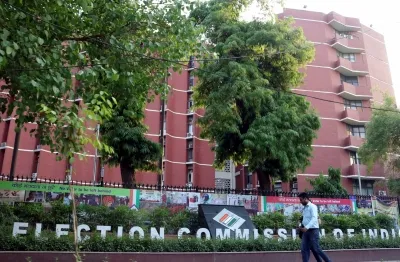
The ECI argued that poll result grievances can only be raised through election petitions under the Representation of the People Act .
The bench directed TMC to file a formal interlocutory application (IA) with constituency-wise details for the court to examine.
Senior advocate Menaka Guruswamy warned that appellate tribunals could take up to four years to clear the pending appeals backlog.
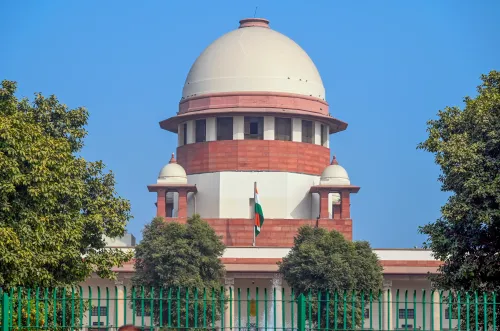
The Trinamool Congress (TMC) on Monday, 11 May told the Supreme Court that the Special Intensive Revision (SIR) of electoral rolls in West Bengal had materially affected the outcome of Assembly elections in several constituencies, claiming that the number of deleted voters exceeded the margin of victory in at least 31 seats won by the Bharatiya Janata Party (BJP). A bench of Chief Justice of India (CJI) Surya Kant and Justice Joymalya Bagchi was hearing petitions challenging the SIR exercise undertaken by the Election Commission of India (ECI) ahead of the recently concluded West Bengal Assembly elections.
Key Arguments Before the Court
Senior advocate Kalyan Banerjee, appearing for TMC leaders, submitted that in several constituencies, the number of voters deleted during the SIR adjudication process was higher than the victory margin between BJP and Trinamool candidates. Pointing specifically to the Jangipara Assembly constituency, Banerjee stated that BJP candidate Prasenjit Bag had won by a margin of 862 votes, while more than 5,550 names were deleted from the electoral rolls during the SIR exercise.
Point of View
The democratic corrective arrives long after it can change any outcome. The SIR exercise has exposed a structural gap in India's electoral roll revision framework — one where deletion-at-scale can precede adjudication, with no effective real-time safeguard. That is the accountability question neither the ECI nor the court has fully answered yet.
NationPress
24 Sept 2026
Frequently Asked Questions
What did the Trinamool Congress tell the Supreme Court about the West Bengal elections?
The TMC told the Supreme Court on 11 May that voter deletions carried out during the Special Intensive Revision (SIR) of electoral rolls had materially affected results in at least 31 Assembly seats won by the BJP. It argued that in these constituencies, the number of deleted voters exceeded the BJP's margin of victory.
What is the Special Intensive Revision (SIR) of electoral rolls?
The SIR is an exercise undertaken by the Election Commission of India to update and revise voter rolls, which involves adding new voters and deleting names deemed ineligible. In West Bengal, the exercise became controversial after the then TMC government and Chief Minister Mamata Banerjee alleged it disproportionately affected marginalised communities and could exclude lakhs of genuine voters.
What example did TMC cite before the Supreme Court?
TMC's senior advocate Kalyan Banerjee cited the Jangipara Assembly constituency, where BJP candidate Prasenjit Bag won by 862 votes while 5,550 names were deleted during the SIR process — a deletion count far exceeding the winning margin.
What did the Supreme Court say in response to TMC's arguments?
The bench, led by CJI Surya Kant, clarified that grievances about election outcomes would require a separate interlocutory application with specific details. It also noted that the ECI's position — that such issues must go through election petitions under the Representation of the People Act — would need to be addressed through the proper legal channel.
How long could it take to resolve the pending voter deletion appeals?
Senior advocate Menaka Guruswamy told the court that at the current pace, appellate tribunals could take up to four years to dispose of all pending appeals. Nearly 35 lakh appeals against voter deletions remain pending before these tribunals.