Supreme Court Rejects West Bengal Poll Officers' SIR Roll Deletion Plea
Synopsis
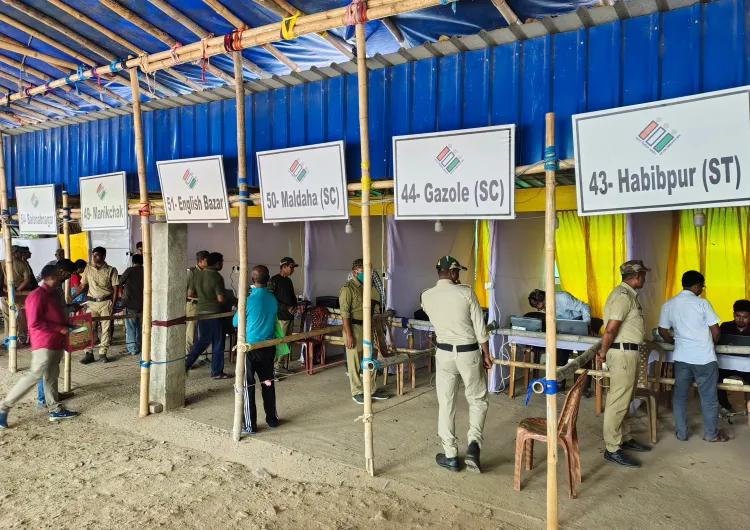
In a striking irony, West Bengal election officials appointed to conduct the 2026 Assembly Elections found their own names deleted from electoral rolls after the SIR exercise. The Supreme Court refused to intervene directly, directing 65 petitioners to approach Appellate Tribunals even as Phase 2 polling looms on April 29.
Key Takeaways
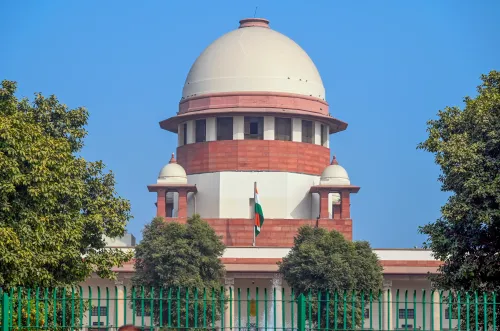
Supreme Court bench led by CJI Surya Kant , along with Justices Joymalya Bagchi and Vipul Pancholi , dismissed the plea on April 25, 2025 .
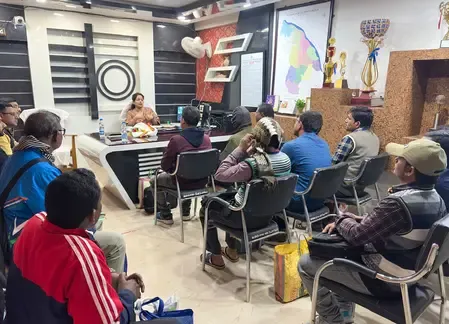
Approximately 65 West Bengal election duty officers , including Presiding Officers and First Polling Officers , alleged their names were wrongly deleted after the Special Intensive Revision (SIR) .
The petition filed by Md Tohidul Islam and others cited violation of Article 326 of the Constitution — the fundamental right to vote.
The officials were entitled to vote via postal ballot under Rule 18A of the Conduct of Election Rules, 1961 , but the roll deletion rendered even this option unavailable.
The Supreme Court directed petitioners to approach Appellate Tribunals set up for SIR disputes, reiterating that pending appeals alone do not restore voting rights.
Phase 1 polling was held on April 23 and Phase 2 is scheduled for April 29 , making timely tribunal resolution critical.
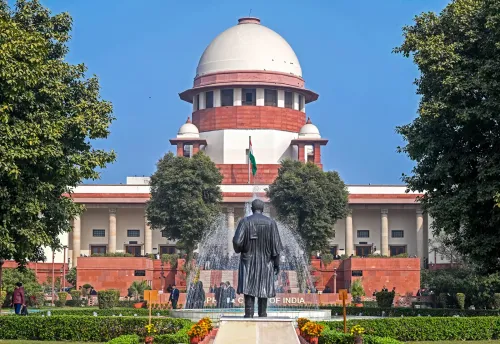
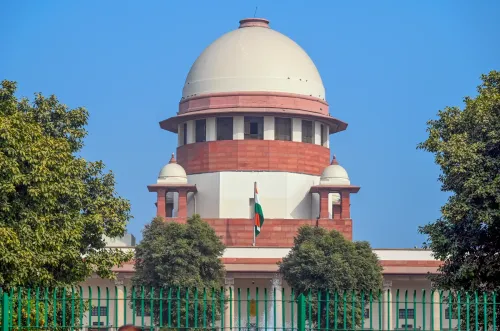
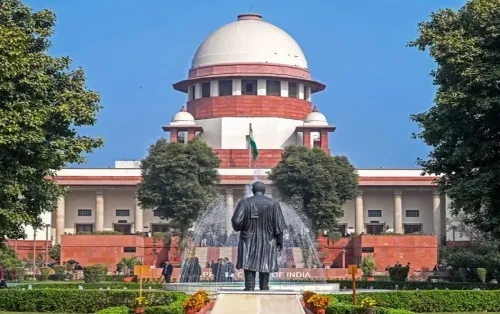
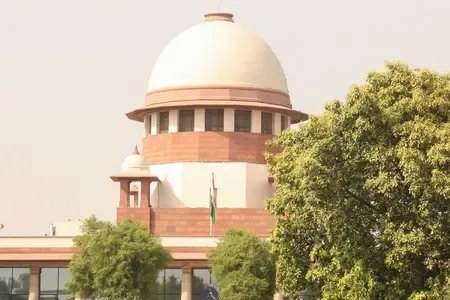
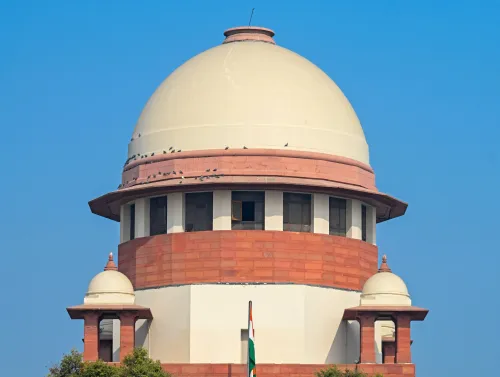
The Supreme Court of India on Friday, April 25, refused to entertain a petition filed by approximately 65 West Bengal election duty officers who alleged that their names were arbitrarily deleted from electoral rolls following the Special Intensive Revision (SIR) exercise — a move that effectively stripped them of their right to vote ahead of the West Bengal Assembly Elections 2026. The bench declined to exercise writ jurisdiction, directing the petitioners to first exhaust remedies before the designated Appellate Tribunals.
What the Supreme Court Said
A three-judge bench comprising Chief Justice of India (CJI) Surya Kant, Justice Joymalya Bagchi, and Justice Vipul Pancholi disposed of the matter with a clear directive. The CJI-led bench stated: Make these arguments before the appellate tribunal. Let the tribunal look into it. The court underscored that the Appellate Tribunals were specifically constituted to adjudicate disputes arising from the SIR process.
The court emphasized that petitioners must first approach these statutory bodies before invoking the Supreme Court's extraordinary writ powers under Article 32 of the Constitution.
The Petition and Its Core Allegations
The plea was filed by Md Tohidul Islam and others, representing election officials — many of whom were formally appointed as Presiding Officers and First Polling Officers for the upcoming West Bengal Assembly Elections 2026. The petitioners contended that their names were arbitrarily and erroneously removed from the final electoral roll, directly violating their constitutional right to vote guaranteed under Article 326.
Crucially, the affected officials were deployed on election duty under the Representation of the People Act, 1951. As such, they were legally entitled to cast votes through postal ballots under Rule 18A of the Conduct of Election Rules, 1961. The deletion of their names rendered them ineligible even for this facility — resulting in what the petition described as complete disenfranchisement.
Broader Legal Context of the SIR Dispute
This case is part of a larger batch of petitions challenging the SIR exercise conducted in West Bengal. The Supreme Court had previously clarified that individuals excluded from revised electoral rolls could only vote if their appeals were allowed by the Appellate Tribunals within stipulated timelines — mere pendency of appeals would not automatically restore voting rights.
The apex court had also directed the Election Commission of India (ECI) to give effect to tribunal orders by issuing supplementary electoral rolls before polling commences, placing significant responsibility on the ECI to act swiftly on tribunal decisions.
Election Timeline and Ground Impact
The urgency of the matter is underscored by the tight election schedule. The first phase of polling in West Bengal was already conducted on April 23, while the second phase is scheduled for April 29. With polling underway, any delay in tribunal adjudication directly translates to disenfranchisement for the affected officers.
The irony is stark: officials appointed by the state machinery to conduct elections — the very custodians of the democratic process — found themselves stripped of their own right to participate in it. This raises serious questions about the administrative accuracy of the SIR exercise and the robustness of safeguards protecting election personnel.
Why This Matters: Systemic Concerns Around SIR
The Special Intensive Revision process, designed to clean up electoral rolls by removing ineligible or duplicate entries, has been at the center of controversy in West Bengal. Critics argue that the exercise, while necessary in principle, has been implemented with insufficient checks — leading to the erroneous deletion of legitimate voters, including government officials on active election duty.
The broader batch of SIR-related petitions before the Supreme Court signals a systemic failure in the revision process, with multiple categories of voters alleging wrongful exclusion. The fact that election officers themselves could not prevent deletion of their names points to procedural gaps that demand urgent reform.
With the second phase of West Bengal polling on April 29, the Appellate Tribunals face immense pressure to resolve pending appeals swiftly. The outcome will not only determine voting rights for affected officers but also set a critical precedent for how SIR-related disputes are handled in future elections across India.
Point of View
Intended to strengthen electoral integrity, appears to have been executed with alarming sloppiness. When Presiding Officers lose their votes, it exposes a structural vulnerability in India's election management that demands immediate systemic reform, not just case-by-case tribunal hearings.
NationPress
3 Oct 2026
Frequently Asked Questions
Why did the Supreme Court refuse to hear the West Bengal election officers' plea?
The Supreme Court declined to exercise writ jurisdiction because Appellate Tribunals have already been constituted specifically to handle disputes arising from the Special Intensive Revision of electoral rolls. The bench directed petitioners to first exhaust this statutory remedy before approaching the apex court.
What is the Special Intensive Revision and why is it controversial in West Bengal?
The SIR is an exercise conducted by the Election Commission to update and clean electoral rolls by removing ineligible or duplicate entries. It has become controversial in West Bengal after multiple complaints — including from election officials themselves — alleging that legitimate voters' names were erroneously deleted.
How were West Bengal election officers affected by the SIR roll deletion?
Around 65 election duty officers, including Presiding Officers and First Polling Officers, had their names removed from electoral rolls after the SIR exercise. This made them ineligible to vote even via postal ballot under Rule 18A of the Conduct of Election Rules, 1961, resulting in complete disenfranchisement.
Can the affected West Bengal election officers still vote in the upcoming polls?
According to a prior Supreme Court ruling, officers excluded from electoral rolls can vote only if their appeals are allowed by Appellate Tribunals within stipulated timelines. Mere pendency of an appeal does not restore voting rights, making swift tribunal action critical ahead of Phase 2 polling on April 29.
What has the Supreme Court previously directed regarding SIR-related disputes?
The Supreme Court earlier directed the Election Commission of India to implement Appellate Tribunal orders by issuing supplementary electoral rolls before polling. It also clarified that voting rights are restored only upon a positive tribunal order, not automatically during appeal proceedings.