SC PIL seeks SIR data disclosure, appellate tribunal SOP in West Bengal
Synopsis
A PIL filed by Congress leader Prasenjit Bose before the Supreme Court exposes a stark gap in West Bengal's electoral roll revision: over 58 lakh electors were excluded, but only 1.82 lakh additions made it into the final rolls — and the procedures governing appeals remain unpublished. The petition doesn't challenge the SIR itself but demands the transparency the process has so far withheld.
Key Takeaways
Congress leader Prasenjit Bose has filed a PIL before the Supreme Court seeking transparency in the SIR electoral roll exercise in West Bengal .
More than 58 lakh electors were excluded during the enumeration phase; only 1.82 lakh additions appeared in the final rolls published on 28 February 2026 .
Over 9.64 lakh inclusion applications and 99,118 deletion applications were filed during the claims and objections period.
The petition seeks public disclosure of the SOP dated 7 April 2026 governing 19 appellate tribunals in West Bengal.
The PIL follows the Supreme Court bench led by CJI Surya Kant upholding the legality of the ECI's nationwide SIR exercise.
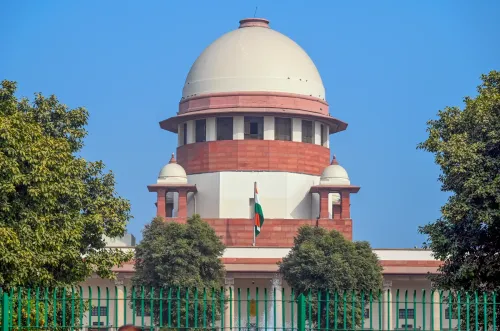
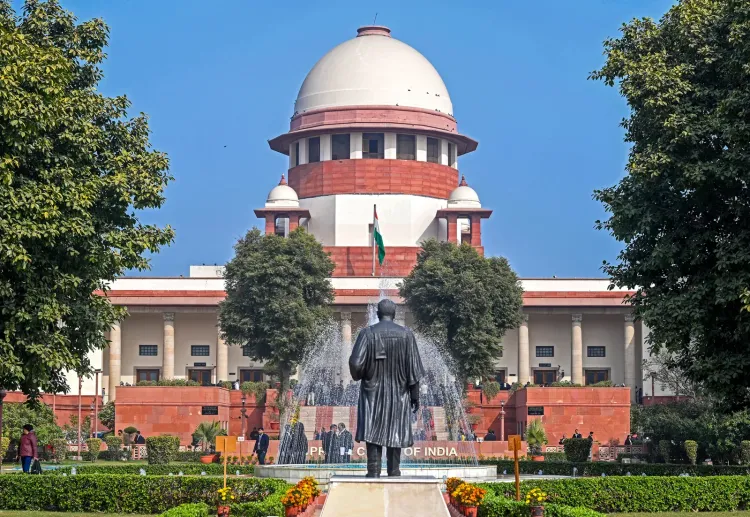
A fresh Public Interest Litigation (PIL) has been filed before the Supreme Court seeking greater transparency and procedural safeguards in the implementation of the Special Intensive Revision (SIR) of electoral rolls in West Bengal, days after the apex court upheld the Election Commission of India's (ECI) nationwide revision exercise.
What the Petition Demands
The petition, filed by Congress leader Prasenjit Bose under Article 32 of the Constitution, does not challenge the legality of the SIR exercise itself. Instead, it seeks directions to the poll body to disclose constituency-wise data on Forms 6 and 7 submitted, accepted, and rejected during the claims and objections phase. It also demands that the Standard Operating Procedure (SOP) governing appellate tribunals be made public, and that simplified guidelines be issued in Bangla, Hindi, and English for electors seeking to challenge exclusions from electoral rolls.
Key Numbers Behind the Concern
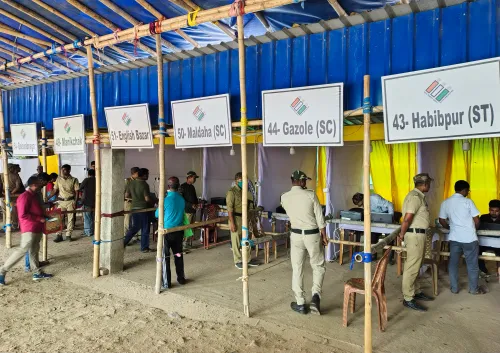
According to the plea, more than 58 lakh electors were excluded during the enumeration phase of the SIR exercise in West Bengal. During the claims and objections period, over 9.64 lakh applications for inclusion and 99,118 applications for deletion were received. However, only 1.82 lakh additions were reflected in the final electoral roll published on 28 February 2026 — a gap the petition describes as raising 'serious concerns' over transparency and accountability.
Disputed Adjudication Criteria
The petition further questions the process used to adjudicate cases flagged as involving 'logical discrepancies'. It alleges that criteria such as parent-child age gaps, multiple progeny linkages, and name mismatches were not contemplated under either the SIR notifications or the Representation of the People Act, 1950. The plea contends these extra-statutory criteria lack a clear legal basis.
The Appellate Tribunal SOP
The plea also seeks disclosure of an SOP framed on 7 April 2026 by a three-member committee of former judges, intended to ensure uniform functioning of 19 appellate tribunals constituted in West Bengal pursuant to Supreme Court directions in the pending SIR-related proceedings. According to the petitioner, the absence of publicly available procedures has created uncertainty around filing requirements, hearing timelines, and the rights of affected electors. The petition argues that poor, rural, and marginalised voters face significant hurdles in pursuing appeals without clear guidelines and legal assistance.
Context: Supreme Court's Earlier Ruling
The PIL comes days after a bench headed by Chief Justice of India Surya Kant upheld the ECI's SIR exercise, holding that the revision was traceable to Article 324 of the Constitution and Section 21(3) of the Representation of the People Act, 1950, and was aimed at preserving the integrity and accuracy of electoral rolls. The apex court had also clarified that while the ECI is empowered to undertake a limited enquiry into citizenship for electoral purposes, such a determination would not amount to a final declaration of citizenship and must be referred to the competent authority under the Citizenship Act, 1955 for adjudication. The present petition contends that despite the top court upholding the broader legality of the exercise, significant procedural gaps remain in its implementation in West Bengal, warranting further judicial intervention.
Point of View
Over 9.64 lakh inclusion applications, and only 1.82 lakh additions in the final rolls. That arithmetic demands an explanation, and the fact that the appellate tribunal SOP remains unpublished months after the exercise is a procedural failure the ECI should not need a court order to fix. The Supreme Court has already upheld the SIR's legality — the question now is whether legality without transparency is sufficient for an exercise touching millions of voters. In a state as politically contested as West Bengal, the opacity around adjudication criteria and appeal procedures is not a minor administrative lapse; it is a structural accountability gap.
NationPress
16 Oct 2026
Frequently Asked Questions
What is the PIL filed in the Supreme Court about West Bengal's SIR?
The PIL, filed by Congress leader Prasenjit Bose under Article 32, seeks directions to the Election Commission of India to disclose constituency-wise SIR data, publish the appellate tribunal SOP, and issue simplified guidelines for excluded electors. It does not challenge the legality of the SIR exercise but targets procedural gaps in its implementation in West Bengal.
How many electors were excluded in West Bengal's SIR exercise?
According to the petition, more than 58 lakh electors were excluded during the enumeration phase. Over 9.64 lakh applications for inclusion were filed, but only 1.82 lakh additions were reflected in the final electoral roll published on 28 February 2026.
What is the appellate tribunal SOP the petition seeks to disclose?
It is a Standard Operating Procedure framed on 7 April 2026 by a three-member committee of former judges for the uniform functioning of 19 appellate tribunals constituted in West Bengal under Supreme Court directions. The petition says it has not been made publicly available, creating uncertainty for affected electors.
What did the Supreme Court rule on the SIR before this PIL was filed?
A bench headed by Chief Justice of India Surya Kant upheld the ECI's SIR exercise, holding it was grounded in Article 324 of the Constitution and Section 21(3) of the Representation of the People Act, 1950. The court also clarified that any citizenship determination made during the exercise would not be final and must be referred to the competent authority under the Citizenship Act, 1955.
Who is affected by the lack of published SIR appeal procedures?
The petition argues that poor, rural, and marginalised voters are disproportionately affected, as they face significant hurdles in pursuing appeals without clear guidelines on filing requirements, hearing timelines, and their rights before the appellate tribunals.