Supreme Court Demands Report on Electoral Roll Tribunal Operations in West Bengal
Synopsis
The Supreme Court is taking action to ensure that appellate tribunals in West Bengal, responsible for resolving electoral roll disputes, operate effectively. Concerns raised highlight issues with online-only applications and lack of legal representation, prompting a call for accountability from the Chief Justice of the Calcutta High Court.
Key Takeaways
Supreme Court seeks report on appellate tribunals in West Bengal.
Concerns over effectiveness and adherence to Court orders.
Tribunals accepting only online applications, limiting legal representation.
Importance of independent mechanisms for electoral roll disputes.
Chief Justice of Calcutta High Court tasked with overseeing tribunal operations.
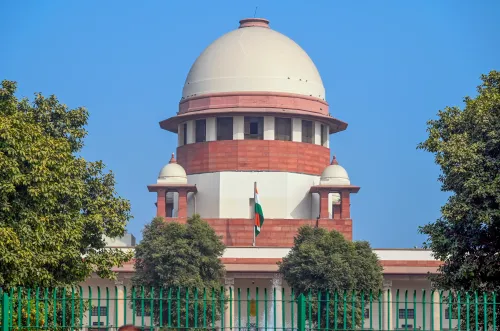
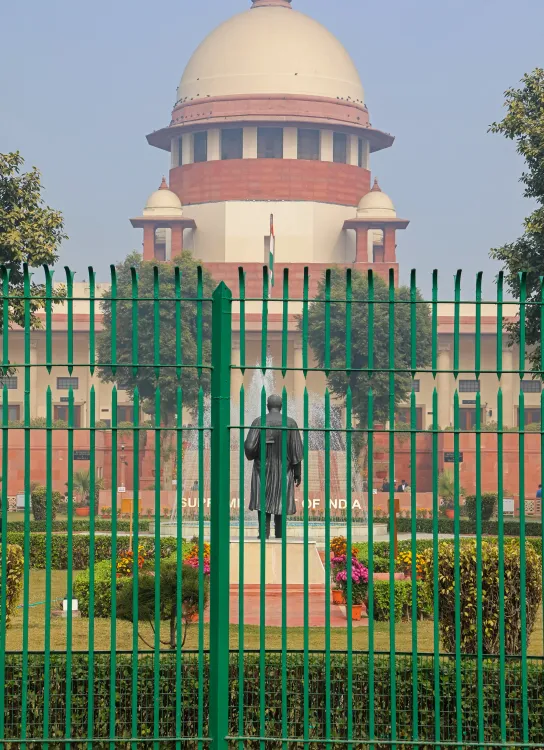
New Delhi, April 20 (NationPress) The Supreme Court announced on Monday that it will request a report from the Chief Justice of the Calcutta High Court regarding the operations of appellate tribunals established to address electoral roll disputes stemming from the Special Intensive Revision (SIR) process in the upcoming elections in West Bengal.
This matter was raised before a Bench led by Chief Justice of India (CJI) Surya Kant and Justice Joymalya Bagchi by senior advocate Devdatt Kamat.
Kamat pointed out that these appellate tribunals, which were formed following the Supreme Court’s previous directives, are reportedly not functioning as intended and are allegedly failing to adhere to the Court's mandates.
The advocate highlighted that these tribunals are only accepting applications submitted online and are not permitting legal representation, thus hindering individuals' ability to effectively appeal their cases.
“The appellate tribunals are inactive. They are only processing applications through computers and the Internet. Legal representation is not being permitted. The directives from this Court are not being honored,” Kamat expressed.
Noticing the concerns raised, CJI Kant remarked that there have been repeated references to similar issues and indicated that the Supreme Court will seek a response from the Chief Justice of the Calcutta High Court.
“There seems to be continuous mentions regarding this issue. We should obtain a report from the Chief Justice of the High Court today itself,” the CJI-led Bench stated.
This situation is particularly critical given the Supreme Court's earlier orders that mandated the establishment of an independent appellate mechanism to resolve disputes related to electoral roll inclusions and exclusions during the SIR initiative.
In March, the Supreme Court had directed the formation of appellate tribunals consisting of former High Court Chief Justices and judges, ensuring an unbiased platform for resolving electoral roll issues.
The Court granted the Chief Justice of the Calcutta High Court the authority to propose candidates for these tribunals, while the Election Commission of India (ECI) is responsible for issuing official notifications and managing the associated expenses.
Furthermore, earlier this month, the Supreme Court clarified that individuals excluded from the updated electoral rolls would only be eligible to vote if their appeals are approved by the appellate tribunals within the designated timeframes.
It was also noted that multiple tribunals have been established and are operating under a Standard Operating Procedure developed by a committee of former judges.
Point of View
The Supreme Court's intervention underscores the importance of maintaining electoral integrity and ensuring that individuals have fair access to legal recourse. The call for a report on the functioning of these tribunals reflects a commitment to uphold judicial standards and accountability in electoral processes, vital for the democratic fabric of the nation.
NationPress
14 Sept 2026
Frequently Asked Questions
What is the Special Intensive Revision (SIR)?
The Special Intensive Revision (SIR) is a process designed to update electoral rolls in preparation for upcoming elections, ensuring that all eligible voters are accurately represented.
Why are appellate tribunals necessary?
Appellate tribunals are essential to provide an independent mechanism for adjudicating disputes related to the inclusion and exclusion of voters from electoral rolls, ensuring fairness in the electoral process.
What concerns were raised about the appellate tribunals?
Concerns include their ineffective operation, reliance solely on Internet-based applications, and the prohibition of legal representation, which may hinder individuals' ability to appeal.
What action did the Supreme Court take?
The Supreme Court has decided to seek a report from the Chief Justice of the Calcutta High Court regarding the functioning of these appellate tribunals.
How does this impact voters in West Bengal?
The functioning of these tribunals is crucial for voters in West Bengal, as it affects their ability to appeal decisions regarding their status on the electoral rolls, directly influencing their voting rights.