Pakistan police baton-charge transgender protesters in Khyber Pakhtunkhwa
Synopsis
Haripur police invoked Section 144 and baton-charged transgender protesters on GT Road in Khyber Pakhtunkhwa, injuring demonstrators and triggering arrests. The clash is the latest flashpoint in a broader crisis: Pakistan's 2018 transgender rights law exists on paper, but a three per cent job quota goes unenforced and community members report poverty wages, harassment, and blocked livelihoods.
Key Takeaways
Haripur police in Khyber Pakhtunkhwa used baton charges to disperse transgender protesters on GT Road on 25 May .
Two transgender persons and police personnel were injured; several community members were arrested.
Protesters alleged police were blocking them from organising entertainment programmes, cutting off their income.
In April , the transgender community in Faisalabad flagged non-implementation of the Transgender Persons (Protection of Rights) Act 2018 and a 3% job quota .
Dr Farri , a DVM graduate, said she was denied government jobs under the reserved quota and faced verbal abuse at work.
Community members reportedly earn as low as PKR 30,000 per month , described as below minimum wage amid rising inflation.
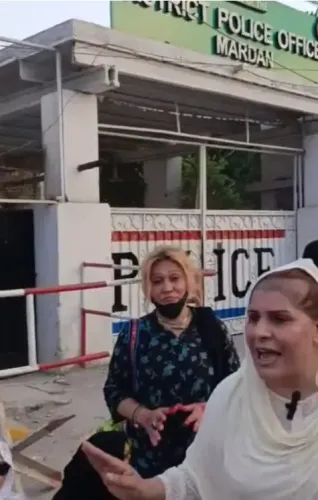
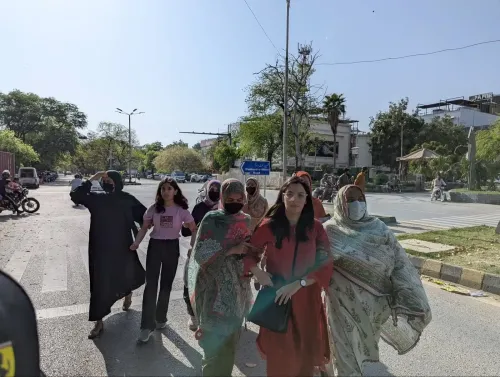
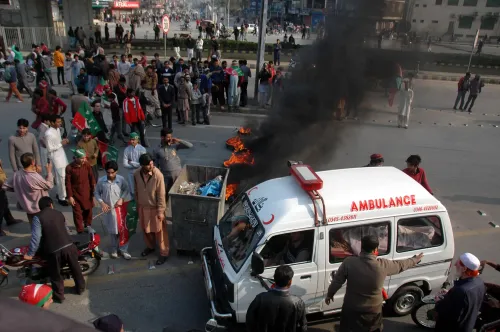
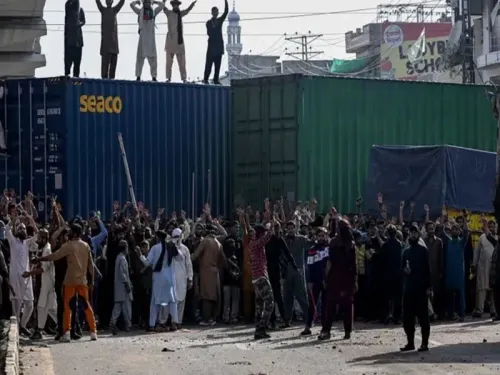
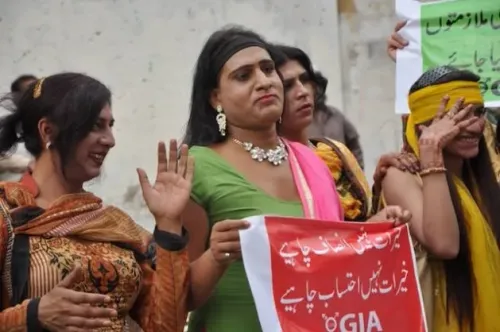
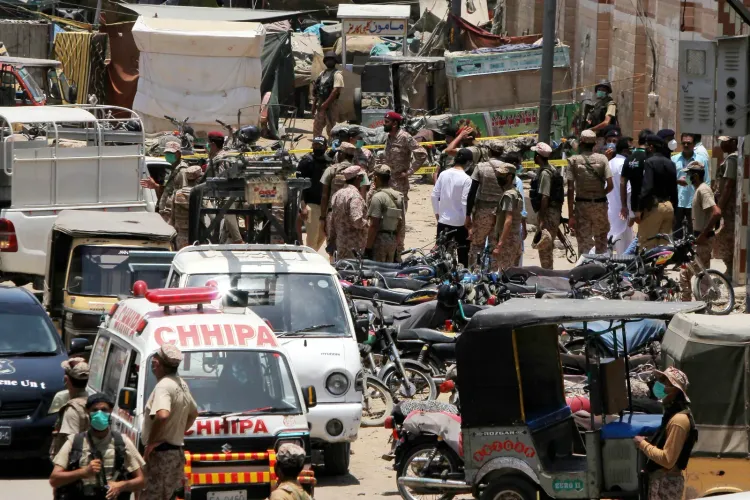
Haripur police in Pakistan's Khyber Pakhtunkhwa province allegedly used force and baton charges against transgender protesters on GT Road on 25 May, leaving several demonstrators and at least two police personnel injured, according to local media reports. The clash erupted after the transgender community gathered near the Karakoram Highway to demand an end to harassment and employment restrictions.
How the Clash Unfolded
The protesters had reportedly blocked the road and raised slogans against the police, prompting authorities to invoke Section 144 — a provision banning public assembly — which had been enforced in Murree. When demonstrators resisted dispersal, police resorted to baton charges. Two transgender persons and police personnel sustained injuries and were taken to hospital. Several members of the transgender community were also arrested, according to reports citing Pakistani daily The Express Tribune.
What the Protesters Alleged
Community members accused the police of imposing blanket restrictions on their activities, including blocking them from organising entertainment programmes — one of the few income sources available to many in the community. They alleged that such curbs were effectively depriving them of their livelihoods, compounding an already precarious economic situation.
A Wider Pattern of Exclusion
The Haripur incident is not isolated. In April, members of the transgender community in Pakistan's Faisalabad raised alarms over the non-implementation of the Transgender Persons (Protection of Rights) Act 2018, particularly the failure to enforce a three per cent job quota in government and semi-government institutions. This comes amid persistent reports of discrimination in hiring, even for highly qualified individuals.
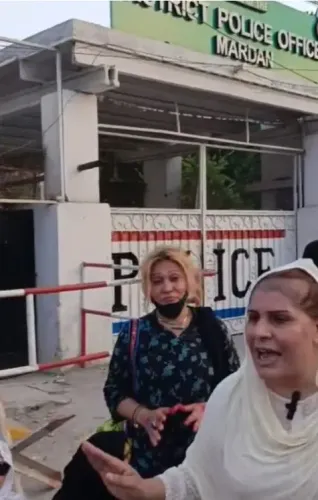
A Victim Support Officer at a Police Service Centre, Dr Farri, holds a Doctor of Veterinary Medicine (DVM) degree from the University of Agriculture, Faisalabad, yet has been unable to secure stable government employment despite applying under the reserved quota. She recounted facing verbal abuse and insensitive remarks during a temporary stint at a private dairy farm. 'People would say it felt strange seeing me treat animals,' she said, according to The Express Tribune.
The Economic Squeeze
Dr Farri further noted that even those who do find employment are often paid PKR 30,000 per month — reportedly below minimum wage standards — making it nearly impossible to cover basic expenses amid rising inflation. 'We cannot support our families or live with dignity under these conditions,' she said, urging the government to provide permanent employment and fair salaries.
What Comes Next
Rights groups are expected to call for an independent inquiry into the Haripur baton charge and renewed pressure on Pakistani authorities to implement the 2018 Act in letter and spirit. The back-to-back incidents in Khyber Pakhtunkhwa and Punjab suggest that the gap between legal protections on paper and lived reality for Pakistan's transgender community remains wide.
Point of View
Yet a mandatory three per cent job quota remains unimplemented years later — a failure of bureaucratic will, not legal authority. When police invoke Section 144 against a community already stripped of formal employment, the state is not merely failing to protect; it is actively compounding exclusion. The Faisalabad disclosures and Dr Farri's testimony add a credentialled, documented face to what is often dismissed as anecdotal grievance. Pakistan's civilian and judicial institutions need to move beyond symbolic legislation and begin holding departments accountable for quota compliance.
NationPress
21 Oct 2026
Frequently Asked Questions
What happened to transgender protesters in Khyber Pakhtunkhwa?
Haripur police used force and baton charges to disperse transgender protesters who had gathered on GT Road near the Karakoram Highway on 25 May. Several protesters and police personnel were injured, and a number of community members were arrested.
Why were the transgender protesters demonstrating?
The protesters alleged that police were imposing restrictions on their community, including blocking them from organising entertainment programmes that serve as a key source of income. They demanded an end to harassment and the restoration of their employment opportunities.
What is Pakistan's Transgender Persons (Protection of Rights) Act 2018?
It is a Pakistani law that recognises the rights of transgender individuals, including a three per cent job quota in government and semi-government institutions. Rights groups say the quota has not been implemented, leaving many qualified community members without formal employment.
Who is Dr Farri and why is her case significant?
Dr Farri is a Victim Support Officer and DVM graduate from the University of Agriculture, Faisalabad who has been unable to secure government employment despite applying under the reserved quota. Her case illustrates that employment barriers persist even for highly educated members of the transgender community.
What salary are employed transgender persons reportedly receiving?
According to reports, some employed transgender individuals receive around PKR 30,000 per month, which is described as below minimum wage standards and insufficient to cover basic expenses amid Pakistan's rising inflation.