Australian PM Launches National Fuel Security Task Force Amid Middle East Crisis

Synopsis
In light of escalating tensions in the Middle East, Australian PM Anthony Albanese has unveiled a new task force aimed at ensuring fuel security. This initiative seeks to bolster coordination among governments while addressing potential market irregularities.
Key Takeaways
New Fuel Security Task Force: Established to address concerns over fuel supply amid Middle East conflict.
Leadership: Anthea Harris appointed as the task force coordinator.
Government Coordination: Aims to bolster collaboration on fuel security between different government levels.
Public Advisory: PM Albanese urges citizens to avoid hoarding fuel.
ACCC Investigation: Ongoing inquiry into major fuel suppliers for anti-competitive practices.
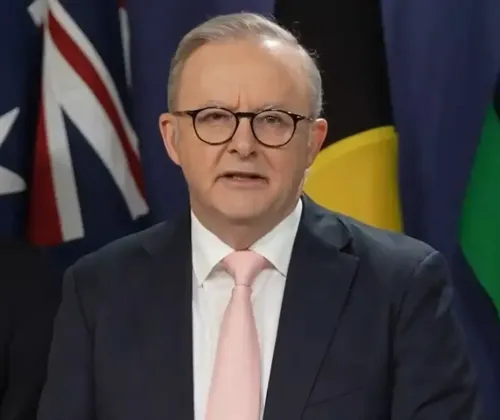
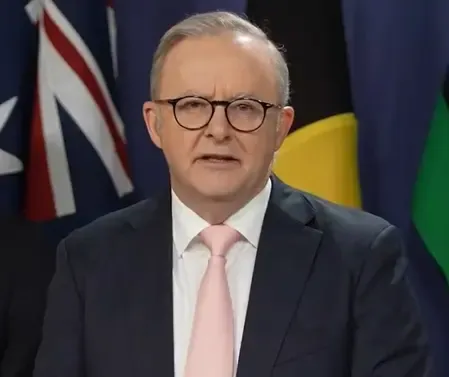
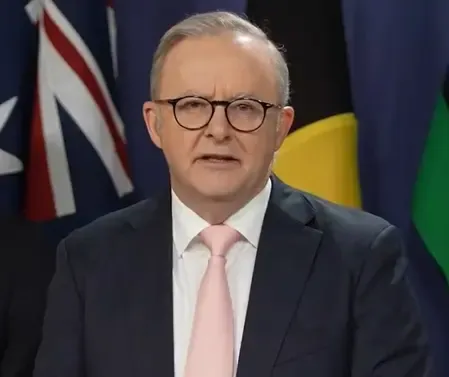
Canberra, March 19 (NationPress) - Australian Prime Minister Anthony Albanese announced the formation of a fuel security task force by the federal government in response to the current turmoil in the Middle East. In a press conference following a meeting with leaders from various states and territories, Albanese reassured the public that Australia is taking all necessary measures to ensure the country's fuel supply is secure.
He emphasized, "I want to reassure Australians that we are well-equipped. Our fuel supply is secure at present, but I believe in being overly prepared."
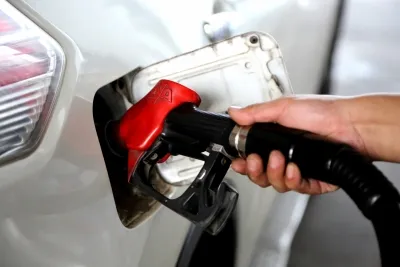
Albanese also urged Australians to refrain from hoarding fuel, stating, "Please only take what you genuinely need. That is how you can assist."
He appointed Anthea Harris, the former CEO of both the Australian Energy Regulator and the Energy Security Board, as the coordinator of this new national task force, with each state and territory expected to designate a representative in a similar role.
The task force aims to enhance collaboration between the federal, state, and territory governments regarding fuel security and supply chain resilience.
This announcement coincided with a statement from the Australian Competition and Consumer Commission (ACCC), which revealed that it has initiated an investigation into claims of anti-competitive behavior among major fuel suppliers in the country.
According to the ACCC, the investigation was triggered by reports concerning the availability of diesel for independent wholesalers and distributors catering to regional and rural Australia, as reported by the Xinhua news agency.
On Wednesday, Albanese previously indicated potential new strategies to safeguard the Australian populace from the adverse effects of global economic instability linked to the ongoing conflict in the Middle East.
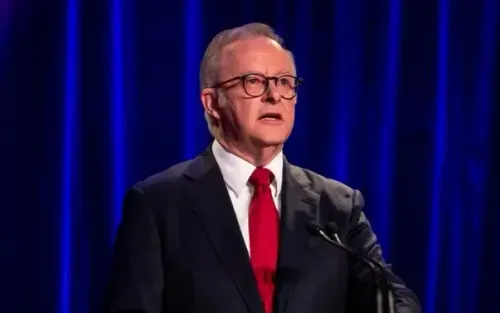
During a speech at an automotive industry conference, he characterized the situation in the Middle East as another "significant shock to the global economy", following the challenges posed by the COVID-19 pandemic and the Russia-Ukraine conflict.
Frequently Asked Questions
What prompted the formation of the fuel security task force?
The task force was established in response to the ongoing conflict in the Middle East, which has raised concerns about fuel supply security in Australia.
Who is leading the new fuel security task force?
Anthea Harris, former CEO of the Australian Energy Regulator, has been appointed as the coordinator of the task force.
What is the main objective of the fuel security task force?
The main objective is to enhance coordination between federal, state, and territory governments regarding fuel security and supply chain resilience.
What did PM Albanese advise Australians regarding fuel consumption?
He urged Australians to only take the fuel they genuinely need to help ensure adequate supply for everyone.
What investigation is the ACCC conducting related to fuel suppliers?
The ACCC is investigating allegations of anti-competitive conduct by major fuel suppliers, particularly concerning diesel availability for independent wholesalers in rural areas.