Challenges Ahead for Australia's Fuel Supply, Warns PM Albanese
Synopsis
In a press conference, PM Anthony Albanese warns that while Australia's fuel supply is stable for now, upcoming months may present significant challenges. The government is actively preparing to tackle potential shortages.
Key Takeaways
Immediate fuel supply stable but challenges expected.
Government actively preparing for potential shortages.
Constructive discussions with Malaysia and ASEAN ongoing.
Regional Australia facing significant fuel shortages.
Only two domestic refineries currently operational.
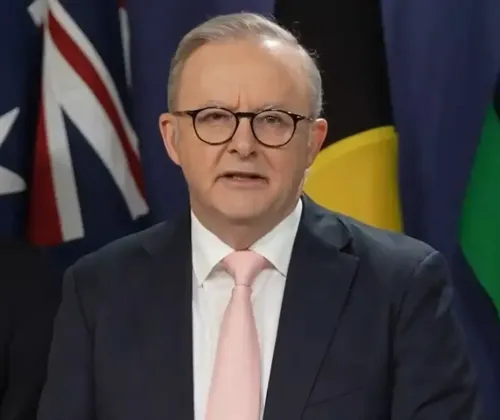
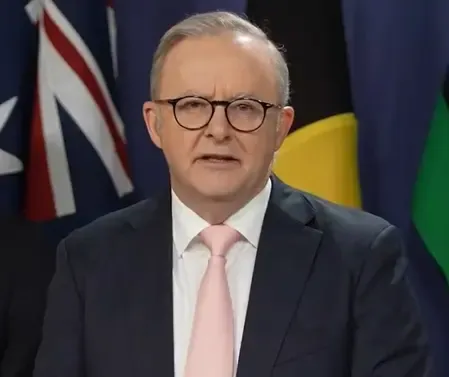
Canberra, March 27 (NationPress) The immediate outlook for Australia's fuel supply appears stable; however, challenges are anticipated in the upcoming months, stated Prime Minister Anthony Albanese on Friday.
During a press briefing at Parliament House in Canberra concerning the intensifying fuel crisis, Albanese emphasized that the government is "working diligently" to formulate "the most robust plan possible" in preparation for potential challenges ahead.
He highlighted his constructive discussions with Malaysia, a vital oil supplier for Australia, as well as with the broader ASEAN region.
Chris Bowen, the Minister for Climate Change and Energy, reassured that the nation's supply of petrol, diesel, and oil remains consistent.
Bowen remarked, "The government has consistently recognized that there are significant and unacceptable shortages in regional Australia due to a surge in demand, which has delayed the establishment of a strong domestic supply."
On Monday, Albanese is set to hold a national cabinet meeting to address the fuel crisis.
Earlier, Opposition Leader Angus Taylor urged the government to temporarily reduce the fuel excise by 50% for three months.
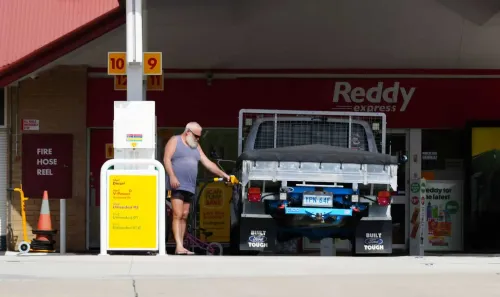
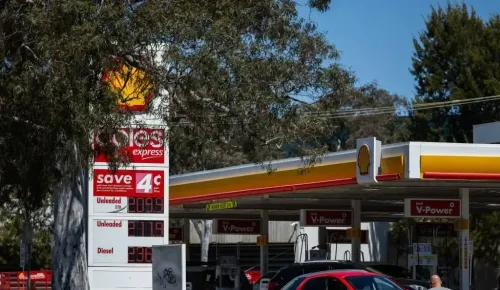
As reported by Xinhua, the government acknowledged that approximately 470 service stations nationwide have depleted at least one type of fuel.
On March 24, the Australian Broadcasting Corporation (ABC) indicated that only two domestic refineries are currently operational, with over 80% of petrol, diesel, and jet fuel being imported, predominantly from Asia. The ABC added that much of the crude oil utilized by Asian refineries is sourced from the Middle East and is primarily transported through the Strait of Hormuz.
The report emphasized that the global oil market is enduring considerable supply disruptions, and markets may still be underestimating the longevity and severity of this crisis. It also noted that even if the Strait of Hormuz reopens, recovery of shipping insurance could be slow, potentially worsening the impact on both global and Australian economies.
Point of View
This report underscores the growing concerns regarding Australia's fuel supply amidst rising demand and regional shortages. The government's proactive approach, including international engagements and potential policy adjustments, reflects a commitment to addressing these pressing challenges effectively.
NationPress
25 Sept 2026
Frequently Asked Questions
What did Prime Minister Albanese say about fuel supply?
Prime Minister Albanese indicated that while the fuel supply is stable for now, difficulties are anticipated in the upcoming months, prompting government preparations.
How is the government addressing the fuel crisis?
The government is actively working to develop a robust plan and is holding a national cabinet meeting to discuss the fuel crisis.
What are the current issues with fuel availability?
Approximately 470 service stations across Australia have run out of at least one type of fuel due to increased demand.
How dependent is Australia on imported fuel?
Over 80% of Australia's petrol, diesel, and jet fuel is imported, primarily from Asia, with only two domestic refineries currently operational.
What international discussions are taking place?
Prime Minister Albanese has engaged in discussions with Malaysia and the ASEAN region to ensure stable oil supplies.