Australia Faces Impending Fuel Supply Crisis Amid Middle East Conflict
Synopsis
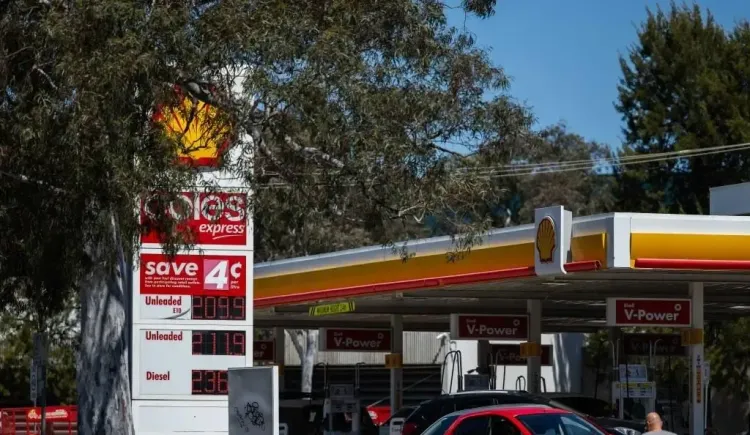
Australia is on the brink of a fuel supply crisis as escalating tensions in the Middle East drive up energy prices. With a heavy reliance on imports and only two refineries left, the situation is set to impact both consumers and the economy significantly.
Key Takeaways
Australia is nearing a critical fuel supply situation.
Over 80% of fuel is imported, highlighting dependency.
Only two domestic refineries remain operational.
Middle East conflicts are driving energy prices up.
Increased fuel costs could impact inflation and household expenses.
Melbourne, March 24 (NationPress) Australia, located at the extreme end of the regional fuel supply chain, is potentially approaching a critical fuel supply "crunch time" in the upcoming weeks. This warning comes from local media sources, highlighting the ongoing conflict in the Middle East that has escalated international energy prices and revealed Australia’s significant reliance on imported fuel.
The Australian Broadcasting Corporation (ABC) has noted that the nation currently operates only two domestic refineries, with over 80% of its petrol, diesel, and jet fuel being imported, predominantly from Asian countries. Much of the crude oil processed by these Asian refiners is sourced from the Middle East, mainly transported through the Strait of Hormuz.
Additionally, the report indicates that the global oil market is undergoing severe supply disruptions, with markets still seemingly underestimating the length and impact of this crisis. Even if the Strait of Hormuz reopens, the recovery of shipping insurance may be delayed, further worsening the effects on both global and Australian economies.
The Australian has reported that the turmoil in energy markets caused by the Middle East conflict has already resulted in increased costs for Australian manufacturers and logistics firms. DHL, a global freight company, communicated to its customers in Australia that diesel prices surged by 30 to 50 percent during the second week of the conflict, prompting an adjustment in their fuel surcharge review cycle from monthly to weekly, as reported by Xinhua news agency.
In another report by The Australian, it was highlighted that rising oil and gas prices could result in Australian families facing "another costly winter." Reserve Bank of Australia Governor Michele Bullock expressed concerns that escalating fuel prices are beginning to infiltrate the economy's core, potentially increasing inflation expectations.
Point of View
It's evident that the conflict in the Middle East poses significant challenges. With a majority of our fuel being imported and only two refineries operating, we must consider the potential economic repercussions and the urgency of addressing our energy dependence.
NationPress
23 Sept 2026
Frequently Asked Questions
Why is Australia facing a fuel supply crunch?
Australia is facing a fuel supply crunch due to its heavy reliance on imported fuel, coupled with rising international energy prices driven by conflicts in the Middle East.
How much of Australia's fuel is imported?
More than 80% of Australia's petrol, diesel, and jet fuel is imported, primarily from Asia.
What impact has the Middle East conflict had on Australian fuel prices?
The conflict has led to a substantial increase in diesel prices, rising by 30 to 50 percent, affecting manufacturers and logistics companies.
How does the Strait of Hormuz affect fuel supply?
The Strait of Hormuz is a crucial shipping route for crude oil from the Middle East, and any disruptions can significantly impact global oil supply and prices.
What are the potential economic effects of rising fuel costs?
Rising fuel costs can lead to increased inflation expectations and higher living expenses for households, impacting the overall economy.