Concerns Mount Over Australia's Aviation Fuel Supply Due to China's Fuel Export Suspension
Synopsis
With China halting fuel exports, Australia's aviation fuel supply faces potential disruptions amid rising prices and uncertainty. This situation could lead to increased flight costs and reduced operations, stirring concerns within the aviation sector.
Key Takeaways
Australia's reliance on Chinese fuel exports poses risks Current jet fuel reserves are insufficient Potential for increased flight costs and reduced operations Alternatives may face challenges due to Middle East conflict Airlines may implement surcharges or reduce flights
New Delhi, March 14 (NationPress) The recent decision by China to instruct its oil refineries to suspend fuel exports has heightened Australia's exposure to liquid fuel shortages and price fluctuations. This situation raises significant concerns regarding the supply of aviation fuel and the potential for disruptions in flight operations, as highlighted in a recent report.
The Conversation indicated that this development occurs amidst ongoing uncertainties surrounding the Iran conflict and its ramifications on global oil supplies.
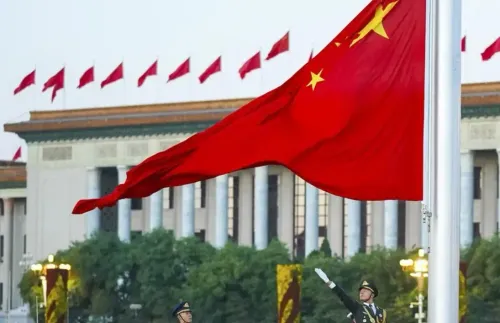
According to the Australian Financial Review, China has officially notified its refineries to cease fuel exports, casting uncertainty over at least two shipments destined for Australia.
In parallel, two transport vessels were reportedly attacked in the Strait of Hormuz, which may lead to increased caution among vessels navigating the area as the conflict escalates.
The report from The Conversation also emphasized that many Asian refineries have a heavy reliance on Middle Eastern crude oil, with several countries in that region importing up to 90% of their oil from there.
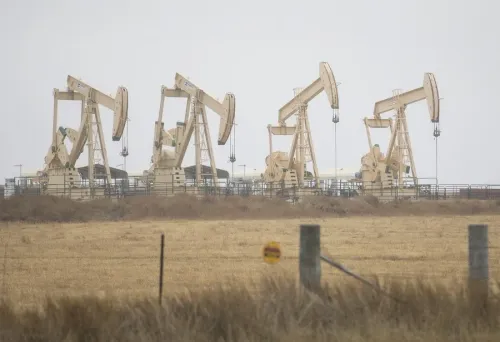
As a net importer of liquid fuels, Australia is significantly dependent on fuel exports from Asian refineries, particularly for jet fuel. In 2025, approximately 32% of Australia's jet fuel was sourced from China.
Should Chinese exports remain suspended, Australia may have to seek alternative supplies from countries like South Korea, Taiwan, Singapore, Malaysia, and India. However, these suppliers may also encounter challenges due to the ongoing conflict in the Middle East.
The report noted that Australia currently holds around 29 to 32 days of jet fuel reserves—approximately 802 million litres—as per the Department of Industry, Science and Resources.
These reserves are stored at domestic facilities or on vessels within Australia's exclusive economic zone.
Unfortunately, these reserves fall short of the 90-day stockpiling requirement established for members of the International Energy Agency (IEA).
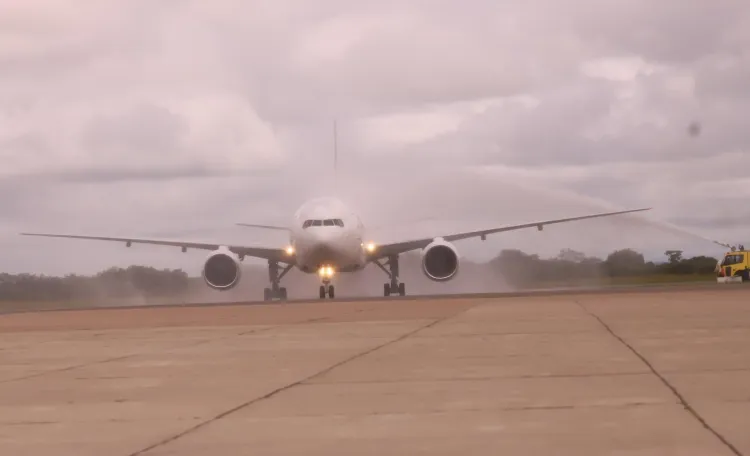
Australia's aviation fuel supply chain is structured around continuous tanker deliveries rather than long-term storage, indicating that airports could face fuel shortages within weeks if new supplies are not received.
While flights have not yet been suspended, Australia's largest airline, Qantas, has cautioned that fares may rise.
If supply constraints persist, airlines might implement fuel surcharges, reduce flight schedules, or ration fuel.
Moreover, Air New Zealand has already canceled about 1,100 flights due to escalating fuel costs and supply challenges, raising alarms about potential disruptions to regional air travel in the near future, as per the report.
Point of View
It's essential to highlight that Australia's reliance on liquid fuel from China poses a serious risk to its aviation sector. The potential for flight disruptions and rising costs requires immediate attention from stakeholders to ensure a stable fuel supply.
NationPress
23 Sept 2026
Frequently Asked Questions
Why has China halted fuel exports?
China has instructed its oil refiners to stop fuel exports amid ongoing uncertainties related to the Iran conflict and its impact on global oil supplies.
How does this affect Australia's aviation fuel supply?
Australia relies heavily on fuel imports from Asian refineries, particularly from China. This halt could lead to significant shortages and increased flight costs.
What alternatives does Australia have for jet fuel?
Australia may seek jet fuel supplies from countries such as South Korea, Taiwan, Singapore, Malaysia, and India, though these sources might also face challenges due to the Middle East conflict.
How long can Australia's jet fuel reserves last?
Australia currently has around 29 to 32 days of jet fuel reserves, which is below the 90-day stockpiling requirement set by the International Energy Agency.
What could happen if fuel supplies do not improve?
If fuel supplies remain constrained, airlines may increase fares, impose fuel surcharges, or reduce flight schedules to manage the situation.