Virgin Australia to Reduce Domestic Flights and Raise Fares Due to Fuel Cost Surge

Synopsis
Virgin Australia is set to cut back on domestic flights and increase ticket prices as a response to soaring jet fuel costs, which are projected to rise significantly due to geopolitical tensions.
Key Takeaways
Virgin Australia plans to reduce domestic flights by 1 percent .
Ticket prices are expected to rise due to increasing jet fuel costs .
Fuel expenses may increase by up to 40 million AUD in the second half of 2026.
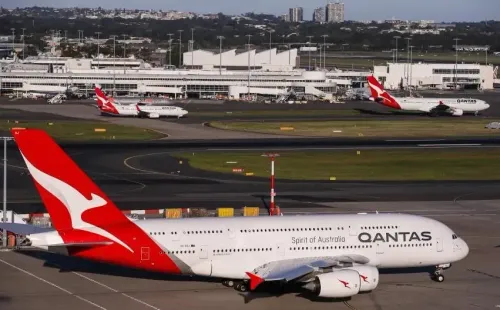
Similar capacity cuts have been reported by Qantas .
Closer collaboration between Singapore and Australia aims to strengthen energy security.
Sydney, April 15 (NationPress) Virgin Australia announced on Wednesday that it will be scaling back its flight schedule for the ongoing quarter and indicated that ticket prices will rise to compensate for escalating jet fuel expenses.
In a disclosure to the Australian Securities Exchange (ASX), Virgin Australia revealed that its fuel expenses for the latter half of 2026 are anticipated to increase by as much as 40 million Australian dollars (approximately 28.5 million US dollars), exceeding earlier predictions due to a spike in oil prices fueled by the ongoing conflict in the Middle East, according to reports from Xinhua news agency.
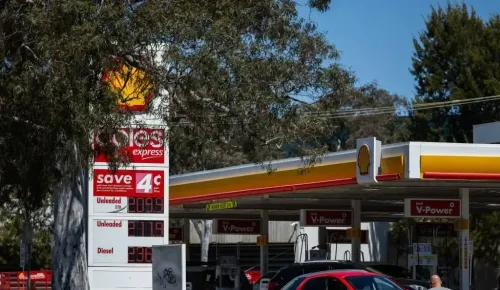
"The cost of jet fuel has seen extreme fluctuations, having more than doubled since the end of February 2026," the airline noted.
Virgin Australia, which has a 25 percent stake held by Qatar Airways, stated that it plans to enhance its fuel hedging in the short term to "reduce price volatility" and will also employ other operational strategies, including adjustments in ticket pricing and flight capacity.
The airline mentioned that it will reduce its total domestic capacity by 1 percent during the current June quarter.
This announcement comes in the wake of a similar statement from the Qantas Group on Tuesday, which indicated a potential financial impact of up to 800 million AUD (around 570.3 million USD) due to higher fuel costs, along with a 5 percentage point decrease in domestic capacity projected for the fourth quarter of 2026.
Earlier, on April 10, Singapore and Australia committed to closer collaboration to enhance economic resilience and ensure the uninterrupted flow of essential supplies amid disruptions caused by the ongoing Middle East crisis.
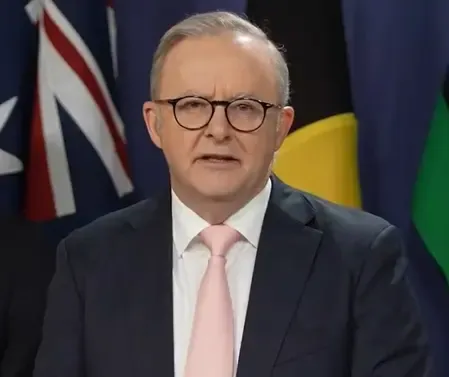
In a joint declaration, Singapore's Prime Minister Lawrence Wong and visiting Australian Prime Minister Anthony Albanese emphasized the vital role each nation plays in bolstering the other's energy security.
"Singapore ranks as one of Australia's primary suppliers of refined petroleum products, while Australia is among Singapore's top sources of liquefied natural gas (LNG)," they remarked.
Building on a previous joint declaration concerning energy security, the leaders affirmed that both governments would exert "maximum efforts" to fulfill each other's energy requirements amidst fluctuations in global energy markets.
They further reiterated their commitment to maintaining the flow of essential goods, including petroleum products such as diesel and LNG, and agreed to enhance cooperation to facilitate the timely transportation of these vital supplies.
The two nations also highlighted the significance of upholding a rules-based multilateral trading system, particularly during times of global uncertainty.
Point of View
It is crucial to recognize the implications of Virgin Australia's flight reductions and fare increases. This move reflects wider trends in the aviation industry, influenced by global events and economic pressures. It underscores the challenges airlines face in maintaining operations amid fluctuating fuel prices.
NationPress
21 Oct 2026
Frequently Asked Questions
Why is Virgin Australia cutting domestic flights?
Virgin Australia is reducing domestic flights to manage rising jet fuel costs, which have surged due to geopolitical tensions.
How much are jet fuel costs expected to rise?
Fuel costs for Virgin Australia are projected to increase by up to 40 million Australian dollars in the second half of 2026.
What other measures is Virgin Australia taking to mitigate costs?
The airline plans to increase fuel hedging and adjust ticket prices and capacity to counteract the impact of rising fuel costs.
What is the reaction of other airlines to rising fuel prices?
Other airlines, like Qantas, have also announced capacity reductions and potential impacts on their finances due to higher fuel costs.
What is the significance of the Singapore-Australia collaboration?
The collaboration aims to enhance economic resilience and ensure the smooth flow of essential supplies amid global disruptions.