China Could Experience Significant Supply Disruption If Hormuz Strait Remains Closed
Synopsis
As the Strait of Hormuz faces near-total traffic halt, China's economy may be heading for turmoil due to its reliance on discounted Iranian oil. Experts warn of potential supply issues in two months if the situation continues.
Key Takeaways
The Strait of Hormuz is essential for global oil transit, with a significant portion of China's oil imports passing through.
China's economy is heavily dependent on discounted Iranian oil, making it vulnerable to supply disruptions.
Experts warn of potential economic fallout within two months if the current crisis continues.
Insurers are withdrawing, and LNG shipments face disruptions, increasing the risk of rising oil prices.
10 million barrels of oil delay could have unpredictable impacts on oil prices.
New Delhi, March 3 (NationPress) With maritime operations through the Strait of Hormuz nearly at a standstill, China's vulnerable, export-reliant economy and dependence on discounted Iranian oil could lead to significant challenges within two months if the situation persists, according to a recent report.
“A substantial portion of that oil... approximately 15% to 23% of China's seaborne oil originates from Iran and transits through the Strait of Hormuz,” stated Gordon Chang, a senior fellow at the Gatestone Institute, during an interview with Fox Business.
Another expert noted that 50% of China's imports navigate through this vital waterway daily.
The report indicates that while Beijing has worked to diversify its supplies, the absence of heavily discounted oil comes at a critical juncture for manufacturers reliant on affordable energy sources.
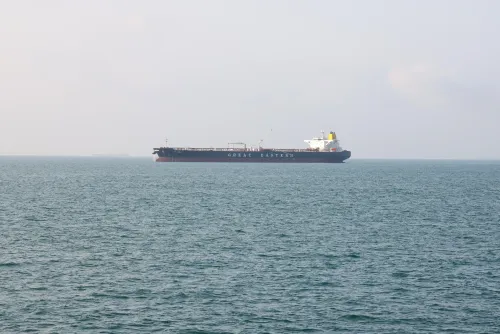
Chang remarked that vessels are predominantly stuck both north and south of the strait, through which essential Iranian crude, crucial for independent “teapot” refiners, usually flows.
“This situation will affect the system, and I anticipate real issues in about two months in China if the crisis continues,” Chang mentioned.
The report cautioned that insurers are pulling back, LNG shipments are facing disruptions, and tanker movements are effectively at a halt, raising the risk of a sharp increase in oil prices that could severely impact the Chinese economy.
“Around a third of the world’s seaborne crude flows through that strait daily. Fifty percent of China's imports transit this strait every day. Currently, operations are stalled. If 10 million barrels are delayed or go missing for a week, it’s impossible to predict where prices will end up,” quoted Kyle Bass, the founder and CEO of Hayman Capital Management.
Point of View
It's crucial to recognize the implications of the Strait of Hormuz crisis on China's economy. The interdependence between energy supplies and economic stability underscores the need for strategic responses to mitigate potential fallout.
NationPress
3 Oct 2026
Frequently Asked Questions
What impact does the Strait of Hormuz have on global oil supplies?
The Strait of Hormuz is a critical shipping route where about a third of the world's seaborne crude oil passes, making it vital for global energy markets.
How dependent is China on Iranian oil?
China relies on Iran for approximately 15% to 23% of its seaborne oil, making it significantly vulnerable to disruptions in this supply chain.
What could happen if oil supplies are disrupted?
A disruption in oil supplies could lead to sharp increases in prices, affecting China’s economy and potentially causing broader economic implications worldwide.
Are there alternatives for China's oil supply?
While China has diversified its oil supply sources, the loss of discounted Iranian crude comes at a critical time when the country’s factories depend heavily on affordable energy.
What are the potential consequences for the Chinese economy?
If the current situation continues, China could face severe economic challenges, including increased production costs and inflation, particularly in the manufacturing sector.