Rubio: Mass migration 'a grave mistake' as US rejects UN declaration
Synopsis
The Trump administration didn't just skip a UN migration forum — it issued a sweeping indictment of the entire global migration governance framework, accused UN agencies of facilitating an 'invasion,' and declared its goal is now 'remigration.' Rubio's statement is among the most aggressive US rejections of multilateral migration policy on record.
Key Takeaways
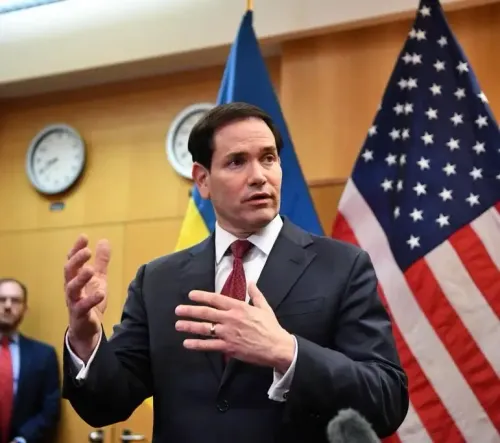
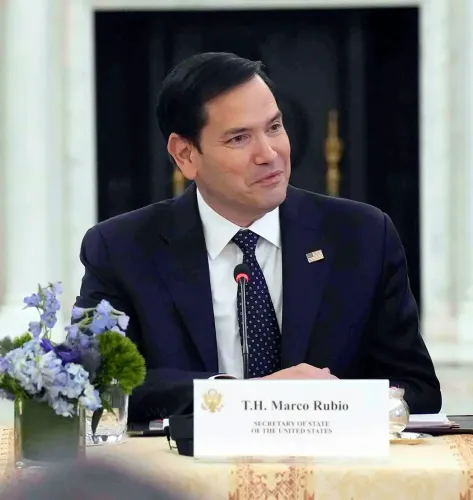
US Secretary of State Marco Rubio called mass migration a "grave mistake" in a statement issued on 12 May 2025 .
The Trump administration rejected the UN International Migration Review Forum's May 8 progress declaration, refusing to participate.
The administration accused UN agencies of facilitating large-scale migration and alleged misuse of taxpayer funds on migrants.
The US first rejected the UN Global Compact on Migration under President Trump in 2017 ; the new statement reinforces and escalates that stance.
The administration stated its goal is "remigration" — actively encouraging migrants to return to their countries of origin — rather than migration management.
US Secretary of State Marco Rubio declared that "opening our doors to mass migration was a grave mistake that threatens the cohesion of our societies and the future of our peoples," as the Trump administration formally rejected a United Nations migration declaration on 12 May 2025. The strongly worded statement marks one of Washington's sharpest public rejections of the international migration governance framework to date.
US Rejects UN Migration Forum Declaration
The US State Department announced that the United States "did not participate in the International Migration Review Forum and will not support the May 8 'progress' declaration." The administration stated it has consistently opposed UN efforts related to global migration frameworks, citing what it described as threats to American sovereignty and the wellbeing of working-class citizens.
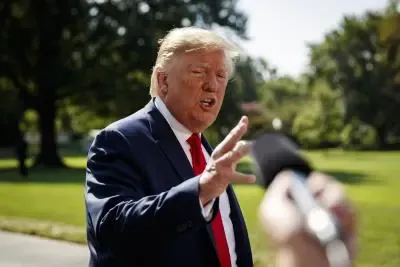
The statement also recalled President Donald Trump's 2017 decision to reject the Global Compact on Migration, asserting that "the intervening years have confirmed the wisdom of that opposition."
Accusations Against UN Agencies
The administration levelled pointed accusations against UN agencies and their partners, alleging they had contributed to large-scale migration into the United States. According to the statement, Americans had witnessed "crime and chaos at the border, states of emergency in major cities, and billions of taxpayer dollars funnelled towards hotels, plane tickets, cell phones and cash cards for migrants."
It further alleged that UN-linked efforts "did not just facilitate the invasion of our country, but proceeded to redistribute our own people's wealth and resources to millions of foreigners from the worst corners of the world." The statement dismissed the UN's characterisation of migration management as "safe, orderly, or regular," calling it entirely at odds with the reality experienced by Americans.
Sovereignty and the 'Remigration' Goal
The Trump administration made clear it would not support any international process that could constrain US sovereignty over immigration policy. "President Trump is focused on the interests of Americans, not foreigners or globalist bureaucrats," the statement said.
Notably, the administration went further than simply opposing migration inflows, signalling an active reversal of direction. "Our goal is not to 'manage' migration, but to foster remigration," the statement declared — a term that refers to encouraging migrants already present in a country to return to their countries of origin. The administration also stated it would reject any guidelines, standards, or commitments — whether imposed "overtly or by stealth" — that limit the American people's democratic right to set their own immigration policy.
Background: The UN Global Compact
The International Migration Review Forum is linked to the UN Global Compact for Safe, Orderly and Regular Migration, adopted in 2018 to strengthen international cooperation on migration issues. The compact is non-binding, but has faced sustained criticism from several conservative governments over concerns about national sovereignty and border control. The US under Trump first distanced itself from the compact in 2017, before it was formally adopted, and the current administration has now reinforced that position with considerably sharper language.
The latest statement signals that the US intends to deepen its disengagement from multilateral migration governance frameworks, with implications for UN credibility on the issue and for allied governments that have remained signatories to the compact.
Point of View
The attack on UN agencies as facilitators of an 'invasion' puts Washington on a collision course with multilateral institutions at a moment when global cooperation on displacement — driven by climate, conflict, and economic collapse — is more needed than ever. The non-binding nature of the Global Compact means the US faces no legal consequence, but the reputational and diplomatic cost of this language will be felt in allied capitals.
NationPress
12 May 2026
Frequently Asked Questions
What did Marco Rubio say about mass migration?
US Secretary of State Marco Rubio said that 'opening our doors to mass migration was a grave mistake that threatens the cohesion of our societies and the future of our peoples.' The statement was issued on 12 May 2025 as the Trump administration formally rejected a UN migration progress declaration.
Why did the US reject the UN migration declaration?
The Trump administration stated it opposes any international process that could constrain US sovereignty over immigration policy. It accused UN agencies of facilitating large-scale migration into the US and dismissed the UN's characterisation of migration as 'safe, orderly, or regular.'
What is the UN Global Compact on Migration?
The UN Global Compact for Safe, Orderly and Regular Migration is a non-binding international framework adopted in 2018 to strengthen global cooperation on migration. The US under President Trump first distanced itself from it in 2017, before it was formally adopted, and has now reinforced that rejection with sharper language.
What does 'remigration' mean in the context of US policy?
The Trump administration used the term 'remigration' to signal that its goal is not to manage migration flows but to actively encourage migrants already in the US to return to their countries of origin. It is a significant escalation beyond conventional border-enforcement language.
Who is affected by the US rejection of the UN migration framework?
The decision has implications for UN credibility on global migration governance and for allied governments that remain signatories to the Global Compact. It also signals a tougher domestic immigration environment for migrants currently residing in the United States.