Is the Australian heatwave five times more likely due to climate change?

Synopsis
A recent study reveals that climate change has dramatically increased the likelihood of severe heatwaves in Australia. With temperatures soaring and health warnings issued, the impact of fossil fuel emissions is highlighted as a key factor. As our climate continues to shift, what does this mean for the future of Australian summers?
Key Takeaways
Climate change significantly increases the likelihood of extreme heatwaves.
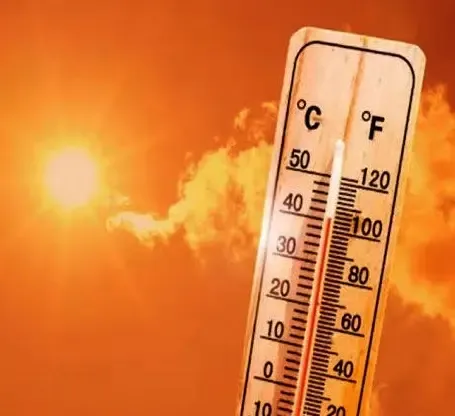
Temperatures in southeastern Australia may reach 50 degrees Celsius.
Emergency services are experiencing increased demand due to health impacts from the heat.
Carbon emissions are intensifying heatwaves by raising temperatures further.
Solar power is becoming a crucial resource for grid stability during heat events.
Melbourne, Jan 24 (NationPress) A recent study indicates that climate change has made the early January heatwave in southeastern Australia five times more probable, as the nation prepares for another scorching day with temperatures reaching 50 degrees Celsius on Saturday.
The Bureau of Meteorology has issued heatwave alerts for every state and territory on the mainland of Australia, while Victoria has implemented a total fire ban in response to the severe conditions. In Melbourne, the extreme heat has forced officials at the Australian Open tennis tournament to halt play on all courts and close the roofs of the stadium courts.
An analysis published on the Australian Science Media Centre's website on Friday revealed that the heat levels experienced during Australia's recent heatwave, which were once predicted to occur four times every century, are now expected every five years. Without significant emissions reductions, these events could start happening every two years.
The research conducted by World Weather Attribution, a global scientific group investigating the impact of climate change on extreme weather, found that this heatwave occurred during a weak La Nina phase, which usually brings cooler conditions. The effect of fossil fuel emissions on temperatures has been shown to far exceed these natural cooling influences, as reported by Xinhua.
Southeastern Australia experienced its most intense heat since the 2019-2020 'Black Summer,' with temperatures surpassing 40 degrees Celsius from January 7-9, 2026. During this period, Melbourne Airport recorded 44.4 degrees Celsius, leading to a 25% increase in emergency hospital admissions.
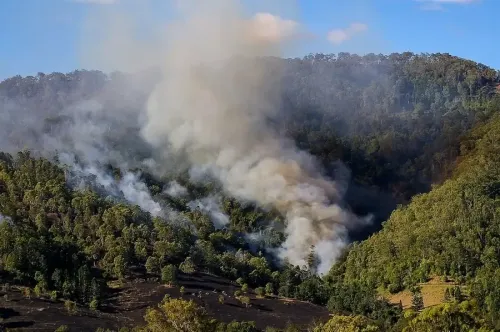
According to the findings, carbon emissions contributed to making the heatwave more intense, adding 1.6 degrees Celsius to the recorded temperatures. This heatwave was followed by catastrophic bushfires in Victoria, prompting the declaration of a state of disaster.
Professor Sarah Perkins-Kirkpatrick from the Australian National University, a contributing author of the study, stated, 'This is not merely a minor change in statistics; it signifies a complete transformation of the Australian summer.' She emphasized that what was once viewed as an extraordinary heat event is now anticipated to be experienced multiple times by primary school students before they graduate high school. Such once-in-25-year events are becoming commonplace, limiting the time available for adaptation as climate realities continue to unfold.
However, the analysis also indicated that solar energy accounted for 60% of peak power demand during the heatwave, aiding in grid stability, which in previous years relied heavily on fossil fuels.
Point of View
I believe it is crucial to highlight the alarming trends in climate change and its direct impact on severe weather events. This study underscores the urgent need for action on emissions and adaptation strategies to protect communities and ecosystems across Australia.
NationPress
2 Oct 2026
Frequently Asked Questions
How much more likely are heatwaves in Australia due to climate change?
The recent study indicates that climate change has made early January's southeastern Australia heatwave five times more likely.
What temperatures are expected during the heatwave?
Australia is bracing for temperatures reaching 50 degrees Celsius during the heatwave.
What actions have been taken in response to the heatwave?
The Bureau of Meteorology has issued heatwave warnings, and Victoria has declared a total fire ban.
What impact did the heatwave have on emergency services?
The extreme heat led to a 25% increase in emergency admissions at local hospitals.
How does climate change affect future weather patterns in Australia?
The study suggests that without significant emissions cuts, heat events currently expected every 100 years may occur every five years.