Is Extreme Heat Endangering Australia's Farms and Wildlife?

Synopsis
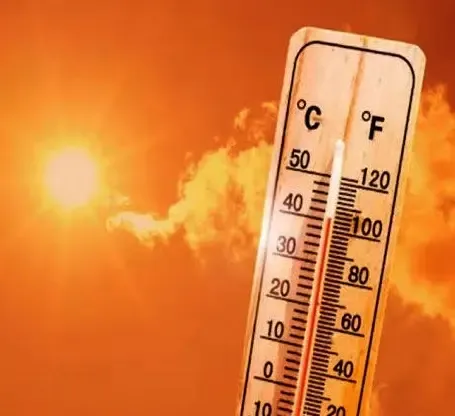
Australia is facing unprecedented challenges as a record-breaking heatwave threatens agriculture and wildlife. With temperatures soaring to 50 degrees Celsius, experts warn of severe impacts on crops, livestock, and ecosystems. This article explores the implications of this extreme weather and highlights the urgent need for research and action.
Key Takeaways
Australia's heatwave reached 50 degrees Celsius.
Thousands of flying foxes have died due to the extreme heat.
Mango crops are suffering from damage.
The frequency of heatwaves is increasing.
Long-term effects on agriculture and ecosystems are concerning.
Canberra, Feb 18 (NationPress) Australia's unprecedented heatwave during late January, with inland temperatures soaring to 50 degrees Celsius, has caused significant harm to both agriculture and wildlife, according to scientists.
In South Australia, thousands of flying foxes perished, while mango producers in Western Australia reported that fruits were 'boiled' while still on the trees, as detailed in an article published on The Conversation website on Wednesday.
These increasingly severe heatwaves now pose a threat to crops, livestock, wildlife, and ecosystems, as highlighted by Owen Atkin, director of the Agrifood Innovation Institute at the Australian National University (ANU), along with ecology professor Adrienne Nicotra and two co-authors.
Such extreme and prolonged heatwaves are becoming more common and are expected to continue for centuries, even after global emissions reach net-zero, the authors noted.
Extended intense heat can damage proteins within plant and animal cells, leading to ruptured cell membranes and disrupted metabolic processes critical for survival, they explained.
Australian agriculture is at risk. Heat diminishes wheat photosynthesis and harms pollen in cereal crops, resulting in reduced seed fertility, a significant drop in yields, and widespread plant and animal fatalities, the article stated.
“The most detrimental heat occurs when temperatures remain elevated overnight,” the experts asserted.
The authors urged for further research to discover heat-resilient traits in native species and develop extensive strategies to cool landscapes and safeguard ecosystems, as reported by Xinhua news agency.
Historically, the most devastating heatwave, which led to the deaths of 435 individuals, occurred between 1895 and 1896, affecting most of the nation. In 2009, another heatwave resulted in 432 fatalities in Victoria and South Australia.
Rising greenhouse gas emissions have elevated average temperatures across Australia, contributing to hotter summers, warmer autumns, and even unusually warm winters.
Point of View
It's crucial to recognize the profound implications of climate change on Australia’s agriculture and wildlife. The recent heatwave is not just a weather event; it is a wake-up call for all of us. The data highlights a growing trend that must be addressed urgently. Our commitment to covering these developments reflects our dedication to informing the public about critical issues affecting our environment and food security.
NationPress
27 Sept 2026
Frequently Asked Questions
What temperatures did Australia reach during the January heatwave?
Australia experienced record-breaking temperatures of up to 50 degrees Celsius during the heatwave.
How has the heatwave affected wildlife?
The heatwave resulted in the deaths of thousands of flying foxes in South Australia.
What impact does prolonged heat have on agriculture?
Sustained heat can harm plant proteins, reduce photosynthesis, and lead to lower crop yields.
How often are such extreme heatwaves expected to occur?
Extreme heatwaves are becoming more frequent and will likely continue for centuries, even after emissions reach net-zero.
What measures are experts suggesting to combat the effects of heatwaves?
Experts are calling for more research into heat-tolerant native species and strategies to cool landscapes.