New Report Highlights Climate Change's Escalating Impact on Australia's Wildlife and Ecosystems

Synopsis
A recent report reveals alarming trends regarding Australia's ecosystems and wildlife, indicating that climate change is significantly worsening conditions for various species. With record sea temperatures and dramatic declines in threatened species, the findings underscore the urgent need for action.
Key Takeaways
Climate change is worsening conditions for Australia's ecosystems and wildlife.
2,175 species are now classified as threatened, marking a 54 percent increase since 2000.
Record sea surface temperatures were recorded in 2025.
Extreme marine heatwaves are becoming more frequent, likened to the impact of bushfires.
Threatened species populations have declined by an average of 59 percent since 2000.
Sydney, March 24 (NationPress) In 2025, Australia's environment experienced another year of above-average conditions, yet a new report indicates that climate change is intensifying harm to ecosystems and wildlife.
According to the 2025 Australia's Environment Report, which is conducted annually, the number of species classified as threatened under federal law has surged to 2,175—a staggering 54 percent increase since 2000, with 39 new entries added in 2025.
The report, spearheaded by The Australian National University (ANU) in partnership with the Terrestrial Ecosystem Research Network (TERN), noted that sea surface temperatures around Australia reached their highest levels ever recorded in 2025.
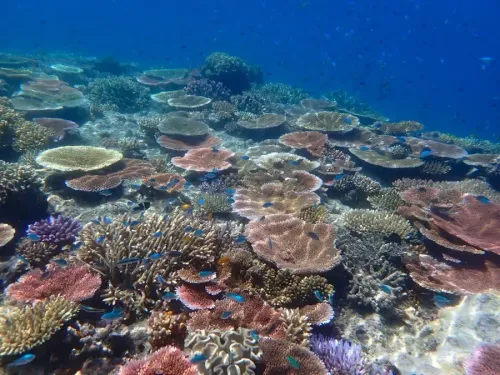
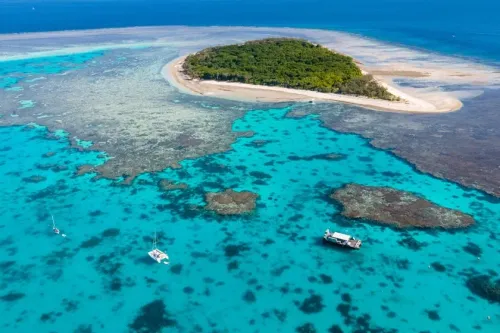
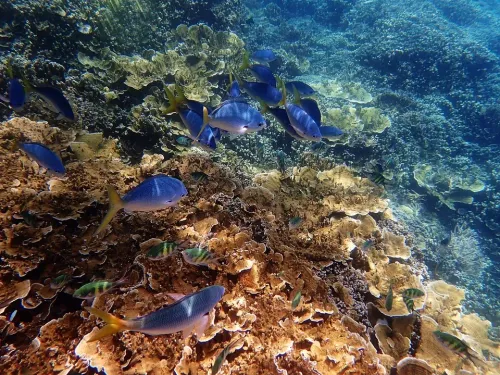
It was also revealed that heat stress affected 79 percent of satellite-monitored reef locations across Australia, surpassing the once-in-a-decade threshold, marking this as the most extreme year in a 40-year history. This led to a sixth mass bleaching event on the Great Barrier Reef.
An algal bloom in warm waters impacted nearly a third of South Australia's coastline, resulting in the death of marine life and disrupting coastal communities for a significant portion of the year, as reported by Xinhua news agency.
Professor Albert Van Dijk from ANU, the lead author of the report, stated, "Marine ecosystems and wildlife are paying the price of a warming climate."
He further emphasized, "These extreme marine heatwaves are analogous to the Black Summer bushfires—large-scale, climate-driven mortality events that were once rare but are now increasingly frequent."
The TERN's Threatened Species Index, which monitors population trends of listed species over time, indicates that threatened species have plummeted by an average of 59 percent since 2000, with reptiles and frogs experiencing declines of 88 percent and 67 percent, respectively.
Point of View
There is a clear call for immediate action to mitigate these effects and protect our natural heritage.
NationPress
24 Sept 2026
Frequently Asked Questions
What does the 2025 Australia's Environment Report reveal?
The report indicates that climate change is accelerating damage to ecosystems and wildlife, with a significant increase in threatened species and record sea temperatures.
How many species are currently threatened in Australia?
As of 2025, there are 2,175 species listed as threatened under federal law, a 54 percent increase since 2000.
What is the significance of the Great Barrier Reef's mass bleaching event?
The sixth mass bleaching event on the Great Barrier Reef is a result of extreme marine heatwaves, indicating severe environmental stress due to climate change.
How has marine life along the South Australian coast been affected?
A warm water algal bloom has extended along nearly a third of South Australia's coastline, causing significant marine life mortality and impacting coastal communities.
What trends are observed in threatened species populations?
The TERN's Threatened Species Index shows an average decline of 59 percent in threatened species populations since 2000, with drastic reductions in reptiles and frogs.