Is Bangladesh's Awami League Correct in Accusing Yunus' Government of Erasing 1971 History?
Synopsis
The Awami League has accused the Muhammad Yunus-led interim government of systematically attempting to erase Bangladesh's 1971 Liberation War history. With the upcoming Victory Day lacking its traditional parade, concerns about national memory and identity arise. This article dives into the implications of these actions on the nation's heritage.
Key Takeaways
Awami League condemns Yunus government for historical erasure.
December 16 marks significant Victory Day celebration.
Cancellations of holidays linked to Sheikh Mujibur Rahman raise concerns.
Symbols of Liberation War are under threat.
Legal changes challenge the legacy of freedom fighters.
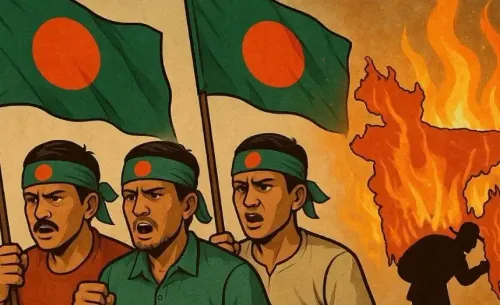
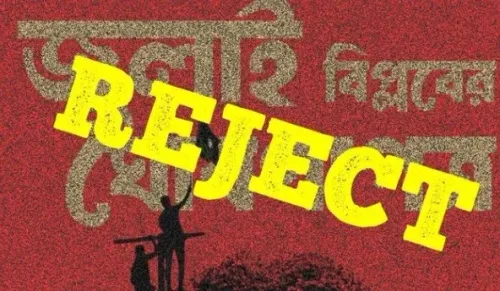
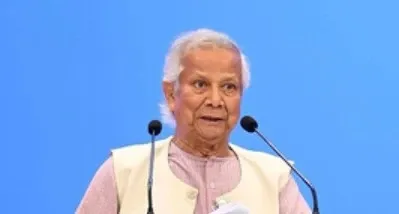
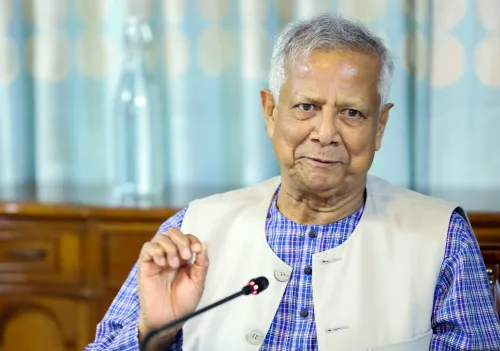
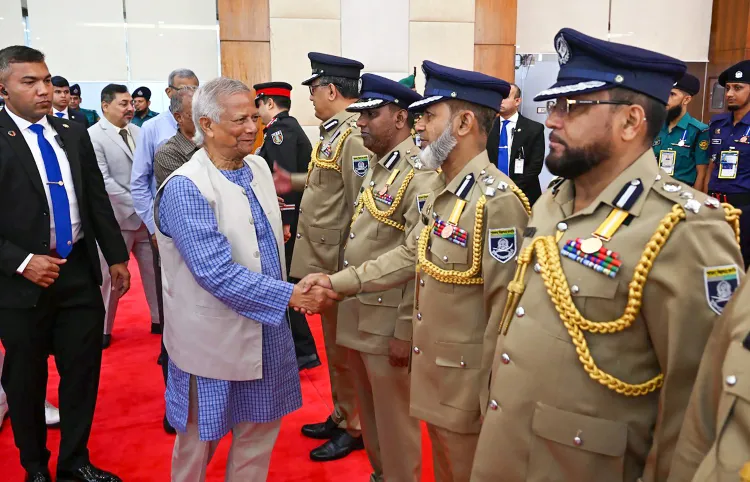
Dhaka, Dec 6 (NationPress) The Awami League of Bangladesh has once again condemned the interim government led by Muhammad Yunus for its ongoing efforts to erase the historical significance of the country's 1971 Liberation War against Pakistan, describing it as a deeply concerning trend.
As the nation approaches its independence anniversary on December 16, 1971—known as Victory Day—the Awami League claims that for the second consecutive year, the celebration will occur without its traditional parade.
"Once a day of national pride, December 16 will now be marked by vacant streets: no soldiers marching, no salutes, and no public acknowledgment of our hard-earned freedom," the party expressed.
Criticizing the Yunus administration, the Awami League pointed out that the cancellation of national holidays associated with Bangabandhu Sheikh Mujibur Rahman and the removal of his portraits from public locations are actions that undermine the very symbols of the nation’s foundation.
"The cancellation of this year's parade signifies more than mere silence on the streets. It represents a systematic attempt to diminish national memory and weaken the emotional ties to our independence, our pride, and the heroes who fought for our freedom. Sometimes, silence is not neutrality; it is erasure," they added.
The Awami League claims that since Yunus took power following the 2024 student protests, the systematic and relentless efforts to erase the legacy of Bangladesh's Liberation War have continued unabated. They argue that significant national holidays, which once served to unite the populace in remembrance and pride, have been either canceled or stripped of official recognition.
"The assault on our history has not ceased during the holidays. Our founding symbols are under siege. Portraits of Sheikh Mujibur Rahman have vanished from government buildings and even from currency notes, erasing his presence from the daily lives of our citizens. Memorials and murals honoring the Liberation War have been vandalized, destroyed, or neglected, leaving our public spaces devoid of memory and significance," the party asserted.
"Legal and institutional modifications further solidify this intentional historical revisionism. The government has altered the criteria for recognizing freedom fighters, diminishing the status of true veterans, while controversially stripping Sheikh Mujibur Rahman of his title as 'Father of the Nation.' These are not trivial bureaucratic changes; they are calculated efforts to dilute the legacy of the Liberation War and undermine the narratives that formed our nation," they emphasized.
The Awami League made it clear that the pattern of behavior is unmistakable, asserting that these actions reflect a strategy reminiscent of the former Pakistani regime—one aimed at weakening national memory, downplaying the significance of 1971, and dismantling the rituals that define Bangladesh’s independence.
"It is no coincidence that Yunus receives support from Islamist factions and pro-Pakistan entities, many of whom have connections to war criminals who opposed Bangladesh’s quest for freedom. For them, diminishing the significance of the Liberation War is not merely advantageous; it is a calculated ideological endeavor," they concluded.
Point of View
I recognize the complexity of the issues raised by the Awami League. While their concerns about historical memory are valid, it's essential to approach the narrative critically, ensuring that all perspectives are considered. History is multifaceted, and discussions surrounding it should facilitate understanding rather than division.
NationPress
27 Sept 2026
Frequently Asked Questions
What is the main accusation against the Yunus government?
The Awami League accuses the Muhammad Yunus-led government of systematically erasing the history of Bangladesh's 1971 Liberation War.
Why is December 16 significant for Bangladesh?
December 16 is celebrated as Victory Day, marking the country's independence from Pakistan in 1971.
What actions has the government taken that are seen as erasing history?
The government has canceled national holidays linked to Sheikh Mujibur Rahman and removed his portraits from public spaces.
How has the Awami League responded to these actions?
The Awami League has condemned these actions, stating they represent a deliberate attempt to weaken the emotional connection to the country's history.
What are the implications of these actions for national identity?
These actions could diminish the collective memory and pride associated with Bangladesh's independence, affecting national identity.