Awami League Voices Alarm Over Increasing Attacks on Journalists in Bangladesh
Synopsis
The Awami League raises urgent concerns about the escalating violence against journalists in Bangladesh since the political shift in August 2024, warning that this could jeopardize press freedom at a critical time.
Key Takeaways
Awami League's Alarm: The party raises concerns about increasing violence against journalists.
Documented Incidents: Over 1,073 journalists affected by violence since August 2024.
Call for Action: Editors' Council urges the government to withdraw legal cases against journalists.
Impact on Media: Rising self-censorship and fear among journalists reported.
Critical Political Moment: The situation poses a significant test for media freedom in Bangladesh.
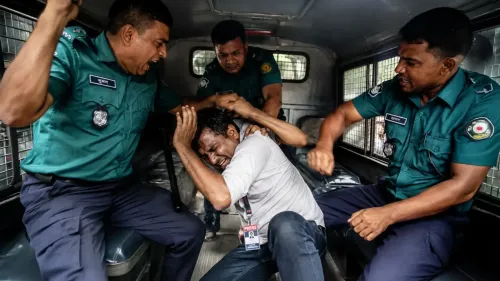
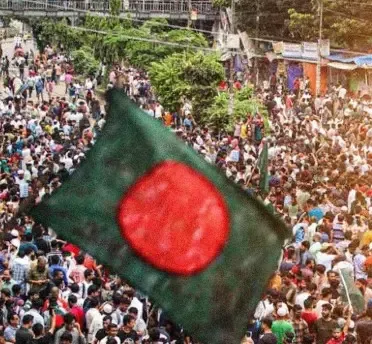
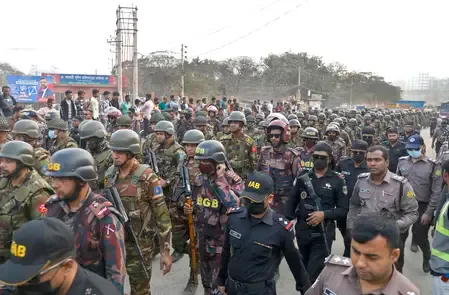
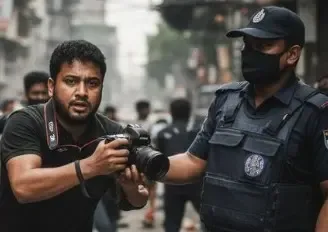
Dhaka, February 27 (NationPress) The Awami League of Bangladesh has raised serious alarms regarding the alarming increase in criminal cases, arrests, threats, and physical assaults targeting journalists nationwide following the political shift on August 5, 2024. This concern is echoed by reports from both local and international monitoring organizations.
The party underlined warnings issued by media organizations, indicating that this trend poses a threat to press freedom at a pivotal moment in Bangladesh's political landscape.
“In the wake of the political transition on August 5, 2024, journalists took to the streets to cover protests, confrontations, and the ensuing uncertainty. Unfortunately, many of them have transitioned from merely reporting the news to becoming part of it,” the Awami League stated.
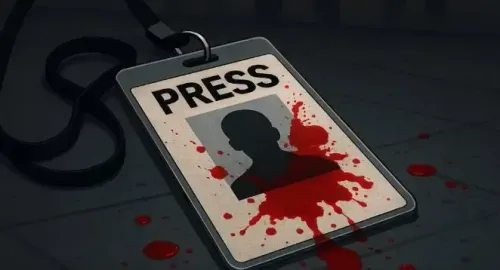
Referencing a report from Transparency International Bangladesh (TIB), the Awami League noted that from August 5, 2024 to November 1, 2025, over 1,073 journalists and media personnel faced various forms of violence, including attacks, threats, detentions, legal actions, or harassment across 476 documented incidents.
The party also cited a public statement from the Editors’ Council of Bangladesh made on February 25, urging the newly established government led by Tarique Rahman of the Bangladesh Nationalist Party (BNP) to retract what they described as “false and harassing cases” against journalists filed since August 2024.
“These legal actions severely impede journalists’ ability to perform their jobs and undermine the independent media environment,” the statement, signed by Editors' Council President Nurul Kabir and General Secretary Dewan Hanif Mahmud, pointed out.
According to the Awami League, editors from numerous Bangladeshi media outlets have emphasized that these incidents, along with ongoing criminal litigation, have fostered a climate where journalists are increasingly cautious and consider legal repercussions before publishing sensitive news.
“In newsrooms, editors report a rise in self-censorship and prudence. Journalists frequently face court appearances, financial burdens from legal defenses, and uncertainties regarding their professional safety. Media analysts caution that the cumulative impact of these pressures could be profound—affecting not just reporters but also limiting public access to unbiased information,” the Awami League elaborated.
As Bangladesh continues to navigate its post-transition political environment, the party affirmed that how these cases are managed will serve as a crucial test of both democratic accountability and media freedom.
Point of View
It is evident that the alarming rise in attacks on journalists in Bangladesh signals a troubling trend that undermines democratic principles and the essential role of a free press in society. It is imperative for all stakeholders to ensure the safety of journalists and uphold the integrity of media freedom.
NationPress
3 Oct 2026
Frequently Asked Questions
What recent incidents have affected journalists in Bangladesh?
Since the political transition on August 5, 2024, there have been over 1,073 reported incidents of violence against journalists, including arrests and intimidation.
Who is calling for the withdrawal of legal cases against journalists?
The Editors’ Council of Bangladesh has urged the new BNP government to retract what they describe as false and harassing cases against journalists.
How has the political transition impacted press freedom in Bangladesh?
The political transition has led to a significant increase in attacks and legal challenges against journalists, creating a climate of fear and self-censorship within newsrooms.
What organizations are monitoring press freedom in Bangladesh?
Both local and international watchdogs, including Transparency International Bangladesh, are actively monitoring and reporting on the state of press freedom in the country.
What is the Awami League's position on the treatment of journalists?
The Awami League has expressed serious concern over the rise in violence against journalists, emphasizing the need for protecting press freedom during this political transition.