What Concerns Are Raised Over Attacks on Minorities and Political Workers in Bangladesh Before the Elections?
Synopsis
As Bangladeshi elections approach, the alarming rise in attacks on minority groups and political violence raises serious concerns. Recent reports detail over 50 assaults on minorities and numerous political murders, signaling a troubling trend ahead of the national vote scheduled for February 12. How will this impact the electoral process?
Key Takeaways
More than 50 attacks on minority communities reported.
15 political leaders and activists killed in recent weeks.
401 incidents of political violence recorded last year.
1,333 missing weapons pose a threat to safety.
Calls for reforms in electoral procedures and technology.
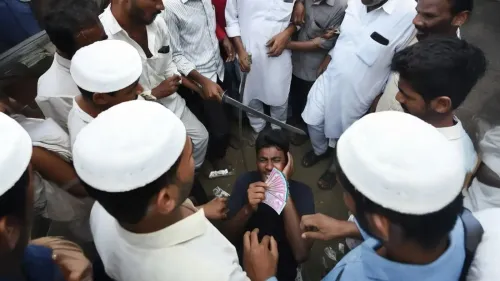
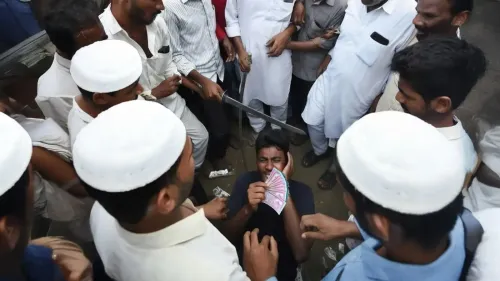
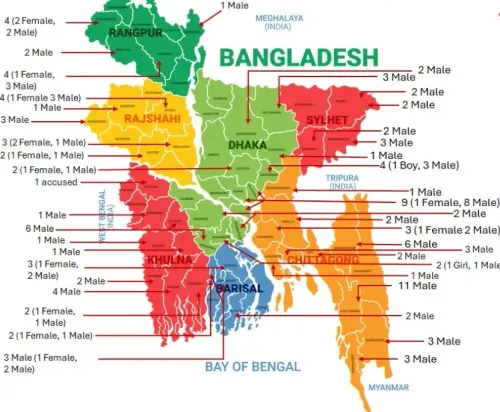
New Delhi, Feb 2 (NationPress) Recent reports indicate that Bangladesh has experienced over 50 assaults on minority communities alongside violence linked to the upcoming elections. This alarming trend includes harassment and the tragic killings of political leaders, activists, and aspiring candidates, as highlighted by a study.
In the past 36 days, 15 political figures and activists have lost their lives nationwide following the announcement of the schedule for the 13th national election set for February 12. This information comes from a study conducted by Transparency International Bangladesh (TIB), as reported by The Business Standard based in Dhaka.
The reported attacks on minority communities are raising significant concerns among activists in Bangladesh. Last year alone, there were 401 instances of political violence, resulting in 102 fatalities.
Moreover, the report notes that approximately 1,333 firearms have gone missing, raising alarms about the potential for increased violence. The report warns that the inability to recover these weapons, alongside plans to issue new firearm licenses to political figures, could exacerbate the situation.
The TIB report also mentions skepticism from political groups such as Jamaat-e-Islami, the National Citizen Party (NCP), and Islami Andolan Bangladesh, questioning the fairness of the electoral process.
Political parties have accused the Election Commission of bias in its nomination review process, particularly concerning loan defaults and dual citizenship issues.
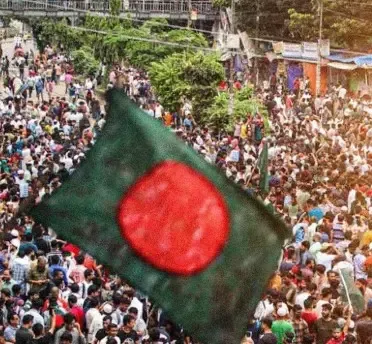
Notably, the Awami League is currently prohibited from engaging in political activities in Bangladesh after being ousted from power during a student-led protest in 2024.
The TIB's findings are part of a research report titled 'One and a half years after the fall of authoritarianism: Expectations and outcomes', released on Monday. The report also highlighted the growing risks associated with deepfakes and misinformation, emphasizing the urgent need for significant reforms in technology and legal frameworks governing elections and referendums.
The study pointed out that police personnel constitute only 9% to 10% of the total manpower assigned to election duties, indicating a serious shortfall in ensuring adequate security.
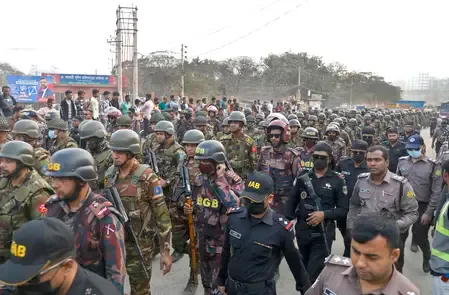
Some reports suggest the deployment of military forces on the streets to uphold law and order. Institutions responsible for verifying candidates' affidavit information are either under-resourced or not fully utilizing their existing capabilities, according to the TIB.
All major political parties have faced accusations of violating electoral regulations and attempting to manipulate the electoral process. While some actions have been taken against these violations, the TIB noted a lack of decisive action from the Election Commission.
Despite numerous challenges, instability, unhealthy electoral rivalry, and concerns regarding a seamless democratic transition, the TIB affirmed that an election-oriented atmosphere is still prevailing.
Point of View
It's crucial to approach these findings with a balanced perspective. The escalating violence against minorities and political activists is alarming. While the TIB's report highlights serious concerns, it is essential to consider the broader context of political dynamics in Bangladesh. Engaging in dialogue and fostering a fair electoral process can pave the way for stability and progress in the region.
NationPress
2 Oct 2026
Frequently Asked Questions
What are the recent attacks on minorities in Bangladesh?
Recent reports indicate over 50 attacks on minority communities in Bangladesh, raising significant concerns about their safety and the political climate.
How many political leaders have been killed recently?
In the past 36 days, at least 15 political leaders and activists have been killed across Bangladesh.
What does the TIB report highlight?
The TIB report emphasizes the rising political violence, with 401 incidents recorded last year, resulting in 102 fatalities.
Why are weapons missing in Bangladesh?
According to reports, at least 1,333 weapons have gone missing, raising concerns about potential violence in the upcoming elections.
What are the concerns regarding the Election Commission?
Political parties have accused the Election Commission of bias in reviewing nominations, particularly related to loan defaults and dual citizenship.