Baloch group urges UN action as Pak Army besieges Gwadar's Jimuri Tehsil
Synopsis
The Baloch National Movement is alleging that Pakistan Army has placed Jimuri Tehsil under a complete siege following a deadly BLA attack on a Coast Guards camp — with over 60 people reportedly disappeared, five killed in custody, and an entire town cut off from food and medicine. The BNM's explicit link to CPEC-area displacement patterns adds a geopolitical dimension that goes beyond a routine counter-insurgency operation.
Key Takeaways
The Baloch National Movement (BNM) alleges a full military siege of Jimuri Tehsil , Gwadar district , by the Pakistan Army lasting over a week as of 14 July .
The crackdown reportedly followed a 3 July BLA Majeed Brigade attack on a Pakistan Coast Guards camp in Panwan , killing more than 30 security personnel .
BNM alleges five custodial killings , more than 60 enforced disappearances , and demolition of houses in Panwan village .
Acute shortages of food and medicines reported in Jimuri town and surrounding villages; patients unable to travel for treatment.
BNM has called on the UN , EU , and international human rights bodies to intervene; Pakistan's military has not publicly responded to the specific allegations.
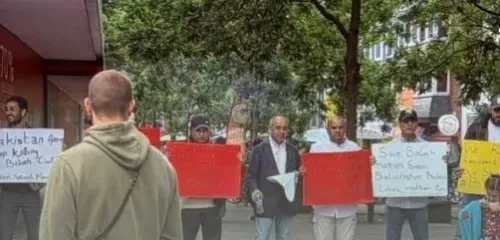
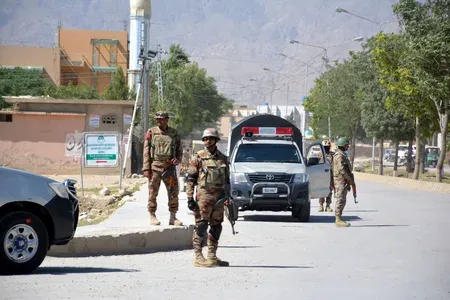
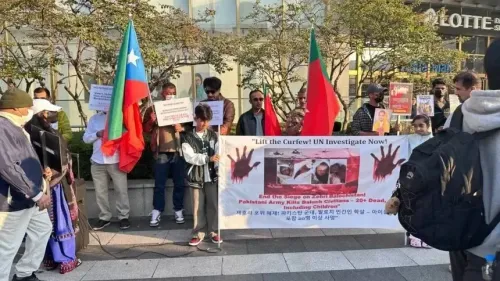
The Baloch National Movement (BNM) has raised urgent alarm over what it describes as a complete military siege of Jimuri Tehsil in Balochistan's Gwadar district, alleging that the Pakistan Army has blockaded the region for over a week, cutting off food, medicine, and freedom of movement for thousands of civilians. The BNM's statement, issued from Quetta on 14 July, calls on the international community to intervene and hold Islamabad accountable under international law.
Background: The July 3 Attack That Triggered the Siege
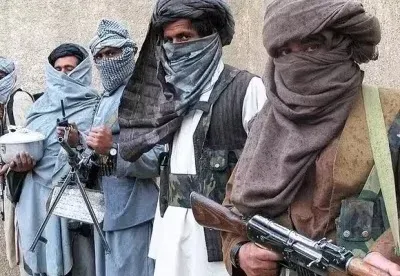
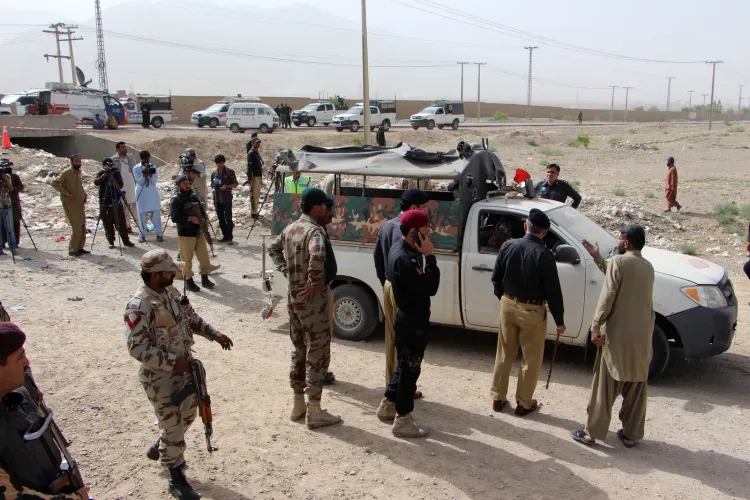
The military crackdown reportedly followed a 3 July assault by the Baloch Liberation Army's (BLA) Majeed Brigade on a Pakistan Coast Guards camp in the Panwan area of Gwadar. According to local media reports, the attack killed more than 30 Pakistani security personnel and wounded several others. The Pakistan Army subsequently imposed sweeping restrictions across Jimuri Tehsil, which have now stretched beyond a week.
Alleged Abuses Inside the Blockade
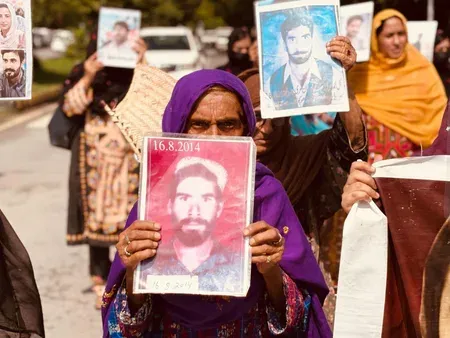
The BNM alleges a series of grave violations since the siege began. According to the group, five individuals have been killed in custody, more than 60 people have been forcibly disappeared, and numerous houses in Panwan village have been demolished. Hundreds of residents have reportedly been compelled to abandon their homes. The group further alleges that 'fundamental rights are being denied, while freedom of movement has been severely restricted.'
Residents cited by The Balochistan Post described the measures as 'collective punishment', arguing that the actions of a few armed individuals should not deprive an entire town of movement, livelihood, food, and access to medical care. Patients requiring treatment in other cities have reportedly been unable to travel, while families dependent on daily wages have lost their livelihoods.
BNM Links Crackdown to CPEC Strategy
The BNM drew an explicit parallel between the Jimuri siege and earlier military operations along the China-Pakistan Economic Corridor (CPEC) route. The group alleged that communities situated along the CPEC corridor were previously subjected to enforced disappearances, extrajudicial killings, and sustained Army pressure — forcing mass migration — and that 'the same strategy is now being applied in Jimuri and Panwan.'
According to the BNM, 'due to the strategic importance of Jimuri and its surrounding areas, the Pakistan Army seeks to displace the local population from these regions.' The group claims the Army is using attacks by Baloch armed groups as a pretext to directly target civilians, though these allegations have not been independently verified.
International Intervention Demanded
The BNM has formally appealed to the United Nations, the European Union, neighbouring countries, and international human rights organisations to take 'effective measures' to ensure Pakistan complies with international law and human rights standards. The group urged protection of what it termed the fundamental rights of civilians in 'occupied Balochistan' — language that reflects the separatist framing of the movement and is contested by the Pakistani government.
Pakistan's government and military had not issued a public response to the BNM's specific allegations at the time of reporting. As the siege enters its second week, the humanitarian situation in Jimuri and Panwan is expected to remain under close scrutiny by rights observers.
Point of View
If verified, represent a significant escalation in Balochistan's long-running civil-military crisis — but the absence of independent on-ground reporting makes verification difficult. What is notable is the BNM's deliberate framing: by connecting Jimuri to CPEC-corridor displacement, the group is attempting to internationalise a counter-insurgency operation and link it to Chinese economic interests, a move calculated to attract UN and EU attention. Pakistan's standard response — that operations target armed groups, not civilians — is undermined each time credible accounts of collective punishment emerge. The real accountability gap is that no independent journalist or UN monitor has been able to access Jimuri to corroborate or refute either side's claims.
NationPress
14 Jul 2026
Frequently Asked Questions
What is happening in Jimuri Tehsil, Gwadar?
The Baloch National Movement alleges that the Pakistan Army has placed Jimuri Tehsil in Gwadar district under a complete siege since early July 2025, following a BLA attack on a Coast Guards camp. The blockade has reportedly caused acute shortages of food and medicine and restricted freedom of movement for residents.
What triggered the Pakistan Army crackdown in Gwadar?
The crackdown was reportedly triggered by a 3 July attack by the Baloch Liberation Army's Majeed Brigade on a Pakistan Coast Guards camp in the Panwan area of Gwadar, which killed more than 30 Pakistani security personnel according to local media reports.
What human rights violations is the BNM alleging?
The BNM alleges that since the siege began, five individuals have been killed in custody, more than 60 people have been forcibly disappeared, and numerous houses in Panwan village have been demolished. Hundreds of residents have reportedly been forced to flee their homes.
Why is the BNM calling for international intervention?
The BNM has appealed to the UN, EU, and international human rights organisations to compel Pakistan to comply with international law and protect civilian rights. The group argues that civilians are being subjected to collective punishment and that the Army is using armed group attacks as a pretext to displace the local population from strategically important areas.
How does this relate to CPEC?
The BNM alleges that the Pakistan Army is applying the same strategy in Jimuri and Panwan that it previously used along the China-Pakistan Economic Corridor route — enforced disappearances, extrajudicial killings, and sustained pressure to displace communities from areas of strategic economic importance.