Balochistan coal mine blast death toll rises to 34, rescue ops ongoing
Synopsis
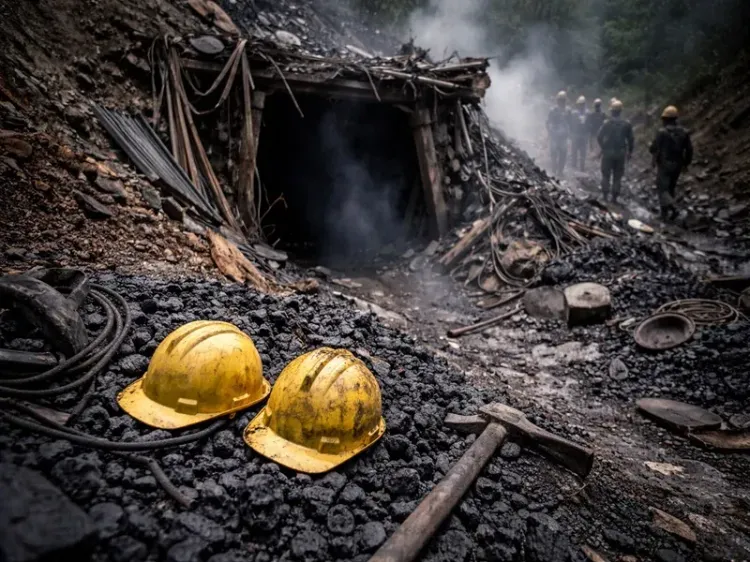
At least 34 miners are dead after a methane gas explosion ripped through a coal mine in Balochistan's Sorange area at a depth of 4,000 feet — and rescue teams are still digging. Pakistan's coal mines have claimed lives repeatedly, yet safety enforcement remains critically weak. This disaster may be the largest single mine incident in the region this year.
Key Takeaways
A methane gas explosion at a coal mine in Sorange, Balochistan on 31 July 2025 has killed at least 34 miners .
41 miners were inside the mine at the time; rescue operations are ongoing to reach those still trapped.
Chief Inspector of Mines Muhammad Atif said the blast occurred due to methane accumulation at a depth of 4,000 feet .
Teams from the mines department , rescue services , and district administration are conducting recovery operations.
In May 2025 , two miners were killed in separate coal mine incidents in Khyber Pakhtunkhwa , highlighting a pattern of recurring safety failures.
Labour organisations and local residents have demanded stronger safety enforcement in Pakistan's coal mining sector.
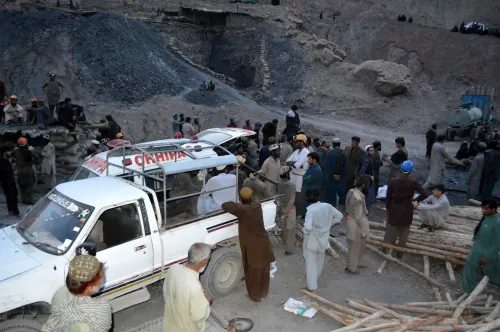
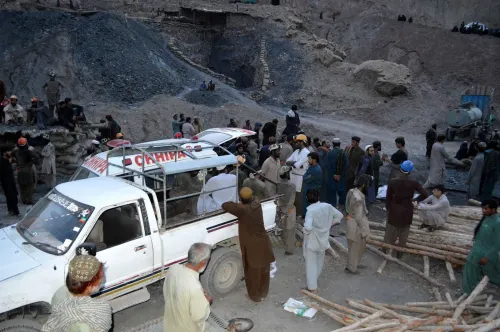
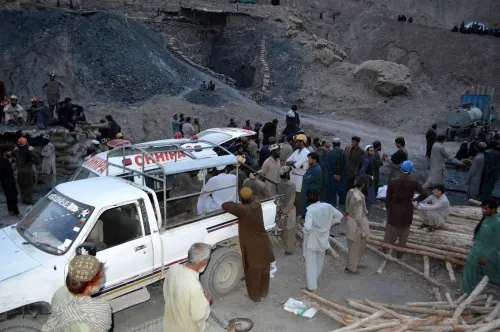
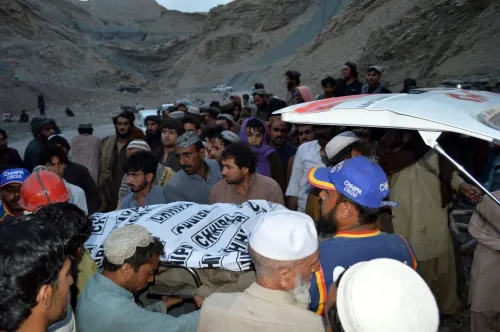
A methane gas explosion at a coal mine in the Sorange area of Balochistan, Pakistan, has killed at least 34 miners, with rescue teams still working to reach those trapped beneath the rubble, according to the Provincial Disaster Management Authority (PDMA). The blast, which occurred on Thursday, 31 July 2025, triggered a partial collapse of the mine, leaving several workers buried underground.
What Happened Underground
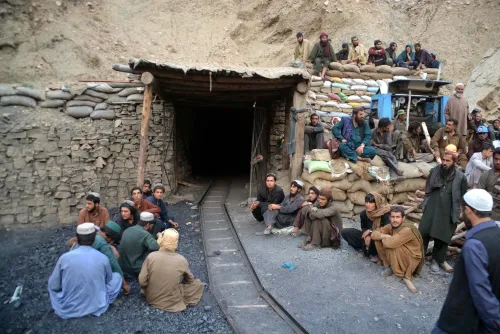
Officials confirmed that 41 miners were inside the mine at the time of the explosion. So far, the bodies of 34 workers have been recovered. The remaining miners are believed to be trapped beneath debris following the collapse of a large section of the mine shaft.
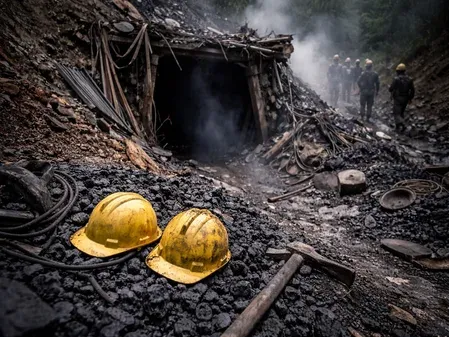
According to Chief Inspector of Mines Muhammad Atif, the blast is believed to have been caused by the accumulation of methane gas at a depth of approximately 4,000 feet, which triggered a fire and the build-up of hazardous gases within the mine. Atif noted that the majority of coal mine explosions in Balochistan have historically been linked to methane gas accumulation.
Rescue Operations Underway
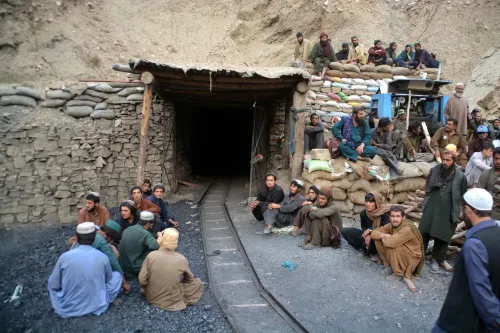
Teams from the mines department, rescue services, and the district administration have been deployed and are conducting round-the-clock operations to recover the remaining trapped miners. The scale of the underground collapse has complicated recovery efforts, according to reports citing local media.
A Recurring Crisis in Pakistan's Mines
This tragedy is not an isolated incident. In May 2025, two miners were killed in two separate coal mine incidents in Shangla district of Khyber Pakhtunkhwa province. In the first incident at Akhorwal coal mines, two workers were buried under debris and retrieved after a rescue operation lasting nearly two and a half hours. In a separate incident, a miner died while working in a coal mine in the Chaparmashti area.
Local residents and labour organisations have repeatedly raised alarm over the absence of adequate safety measures in Pakistan's coal mining sector, calling on authorities to enforce stricter regulations and accountability.
Safety Failures Draw Criticism
Critics argue that systemic neglect of mine safety standards has turned Pakistan's coal sector into one of the most dangerous in the region. The Balochistan coalfields, which supply a significant share of Pakistan's domestic coal, have long been flagged for poor ventilation systems, inadequate gas monitoring, and limited emergency response infrastructure. This latest disaster is expected to intensify pressure on the federal and provincial governments to act.
Point of View
Particularly in Balochistan, has operated for decades without credible gas monitoring or ventilation enforcement at depth. The Chief Inspector's own admission that 'the majority of explosions' in the region are methane-related should have triggered mandatory retrofitting years ago. Each disaster produces condolences and committees; what it has not produced is compliance. Until mine operators face criminal liability and independent safety audits become mandatory, the death toll will keep rising.
NationPress
14 Sept 2026
Frequently Asked Questions
What caused the Balochistan coal mine explosion on 31 July 2025?
The explosion was caused by the accumulation of methane gas at a depth of approximately 4,000 feet inside a coal mine in the Sorange area of Balochistan. Chief Inspector of Mines Muhammad Atif stated that methane accumulation is the leading cause of coal mine blasts in the region.
How many miners were killed in the Sorange coal mine blast?
At least 34 miners have been killed as of the latest update from the Provincial Disaster Management Authority (PDMA). Of the 41 miners who were inside the mine at the time of the blast, bodies of 34 have been recovered so far.
Are rescue operations still ongoing?
Yes, teams from the mines department, rescue services, and district administration are actively conducting operations to recover miners still trapped under the collapsed mine debris. The scale of the underground collapse has made recovery difficult.
Is this the first major coal mine accident in Pakistan recently?
No. In May 2025, two miners were killed in separate coal mine incidents in Shangla district of Khyber Pakhtunkhwa. Labour organisations and residents have repeatedly flagged the lack of safety measures in Pakistan's coal mines.
What are critics saying about mine safety in Pakistan?
Local residents and labour organisations have voiced serious concern over inadequate safety standards, poor ventilation systems, and limited emergency response infrastructure in Pakistan's coal mines. They are calling on the government to enforce stricter regulations and hold mine operators accountable.