Pakistan coal mine blast kills 15 in Balochistan, 24+ still trapped
Synopsis
A methane explosion 4,000 feet underground in Balochistan's Sorange coalfield has killed at least 15 miners and left more than two dozen trapped — the deadliest mine incident in Pakistan this year. With 36 workers across two mines caught in the blast and fire, the disaster has reignited a long-running debate about the near-total absence of safety enforcement in Pakistan's coal sector.
Key Takeaways
A methane gas explosion struck a private coal mine in the Sorange coalfield, Balochistan on 31 July .
At least 15 miners were killed; more than 24 others remain trapped at a depth of approximately 4,000 feet .
A total of 36 miners were present across two affected mines when the blast occurred, according to Chief Inspector of Mines Muhammad Atif .
The Mines and Minerals Department and PDMA are conducting a rescue operation; 21 miners were still missing as of Thursday night.
Pakistan has recorded multiple fatal coal mine incidents in 2025 , including two deaths in Khyber Pakhtunkhwa in May.
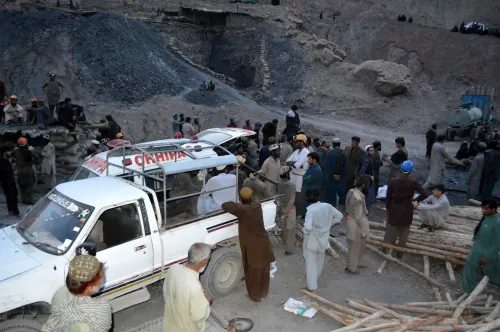
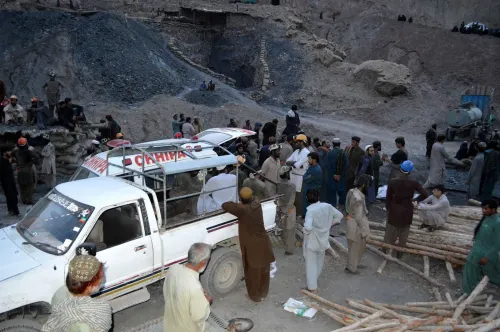
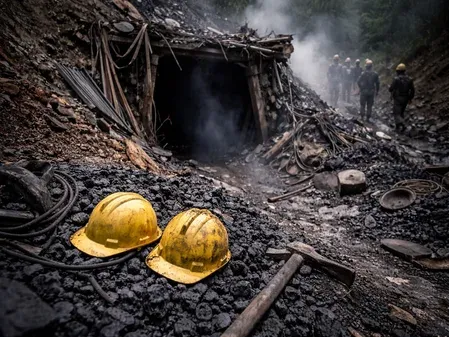
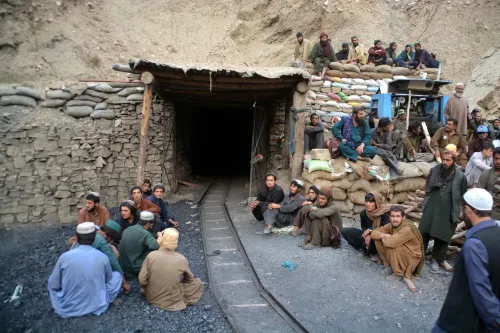
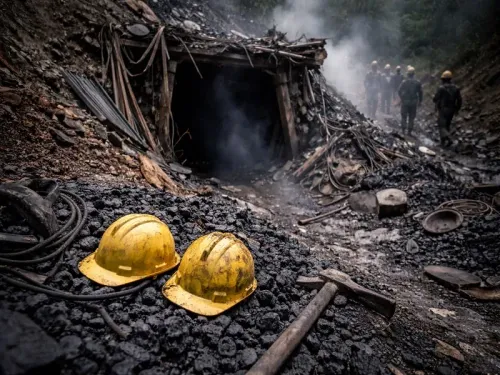
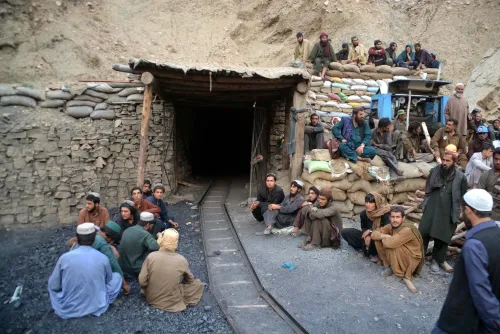
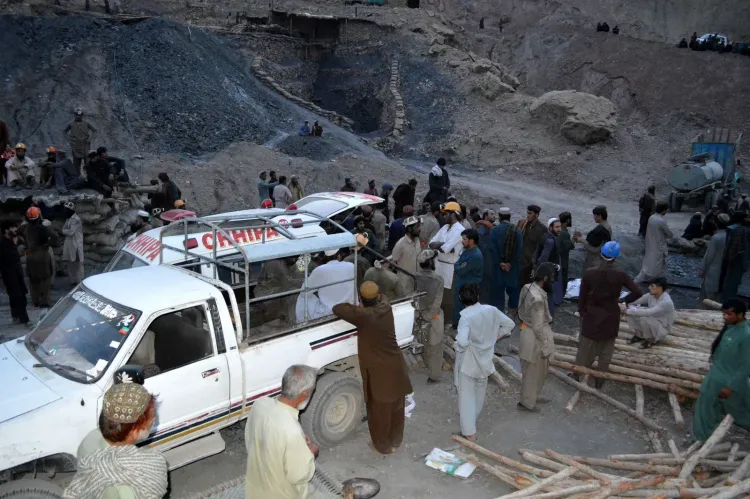
A methane gas explosion tore through a coal mine in the Sorange coalfield in Balochistan, Pakistan, killing at least 15 miners and leaving more than two dozen others trapped underground, local media reported on Friday, 31 July. The blast struck a private colliery at a depth of approximately 4,000 feet, triggering a fire and a structural collapse that compounded the disaster.
What Happened Underground
According to officials, 24 miners were working deep inside the primary mine when the methane accumulation ignited. The resulting fire caused sections of the mine to cave in, cutting off escape routes. A second mine located near the blast site was also affected, with 12 additional miners trapped inside. In total, 36 coal miners were present across both mines at the time of the incident, according to Chief Inspector of Mines Muhammad Atif.
Rescue Operation Under Way
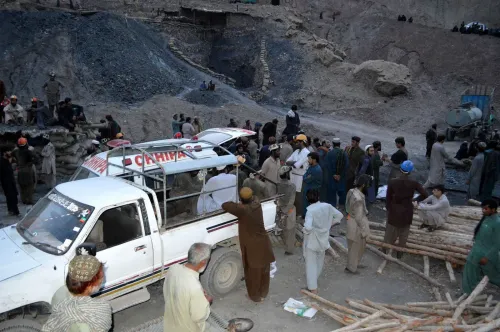
The Mines and Minerals Department and the Provincial Disaster Management Authority (PDMA) launched a rescue operation following the explosion. As of Thursday night, 21 miners remained missing, with teams continuing to work through hazardous conditions. Muhammad Atif confirmed that the blast was believed to have been caused by the build-up of methane gas at the 4,000-foot depth, which also led to the accumulation of other toxic gases in the mine shafts.
A Pattern of Deadly Incidents
This is not an isolated tragedy. In May, two miners were killed and one injured in two separate coal mine incidents in Shangla district of Khyber Pakhtunkhwa province. The first incident occurred at Mine No. 5 of the Akhorwal coal mines, where two workers were buried under debris during operations; they were retrieved after a rescue effort lasting nearly two and a half hours. In a separate incident the same month, a miner died while working in a colliery in the Chaparmashti area.
Safety Concerns and Calls for Action
Local residents and labour organisations have repeatedly raised alarm over the absence of adequate safety measures in Pakistan's coal mining sector. Critics argue that regulatory oversight remains weak, and that private mine operators frequently cut corners on ventilation and gas-monitoring systems. The Balochistan blast has renewed calls on the government and provincial authorities to enforce existing safety standards and conduct urgent inspections across active collieries.
What Comes Next
Rescue teams were still working to reach trapped miners as of the latest reports. The death toll is expected to rise as operations progress deeper into the collapsed shafts. Pakistan's coal mining sector, which employs hundreds of thousands of workers — many in informal, unregulated conditions — faces mounting pressure to overhaul its safety framework before the next preventable disaster occurs.
Point of View
Particularly in Balochistan and Khyber Pakhtunkhwa, operates largely without enforceable ventilation or gas-monitoring standards, and private mine operators face minimal accountability. Each disaster triggers the same cycle: rescue, mourning, calls for reform, and inaction. Until methane monitoring and structural inspections are mandatory and independently verified, the death toll will keep climbing. The real question is not whether another blast will occur, but when.
NationPress
14 Sept 2026
Frequently Asked Questions
What caused the coal mine explosion in Balochistan?
The blast was caused by the accumulation of methane gas approximately 4,000 feet underground in a private coal mine in the Sorange coalfield, Balochistan. The explosion triggered a fire and structural collapse, trapping dozens of miners.
How many miners were killed and trapped in the Balochistan blast?
At least 15 miners were killed and more than 24 others remained trapped following the explosion. A total of 36 miners were present across two affected mines at the time of the incident.
Is a rescue operation under way?
Yes. The Mines and Minerals Department and the Provincial Disaster Management Authority (PDMA) launched a rescue operation immediately after the blast. As of Thursday night, 21 miners were still reported missing.
Has Pakistan seen similar coal mine accidents before?
Yes. In May 2025, two miners were killed in two separate incidents in Shangla district, Khyber Pakhtunkhwa — one at Mine No. 5 of the Akhorwal coal mines, and another in the Chaparmashti area. Labour groups have long flagged the lack of safety enforcement in Pakistan's coal mines.
Why are Pakistan's coal mines considered dangerous?
Local residents and labour organisations say private mine operators routinely neglect ventilation and gas-monitoring systems, while regulatory oversight remains weak. Critics argue that without mandatory safety inspections and independent verification, fatal accidents will continue.