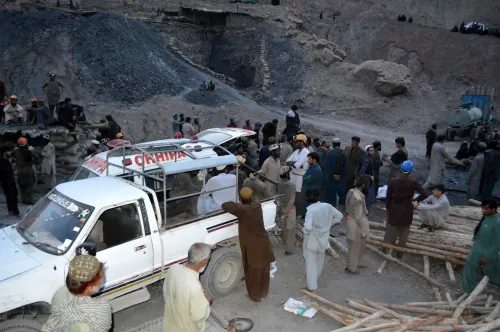
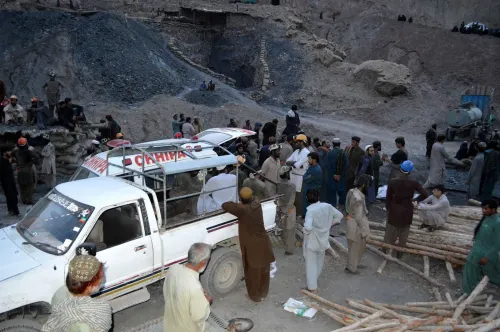
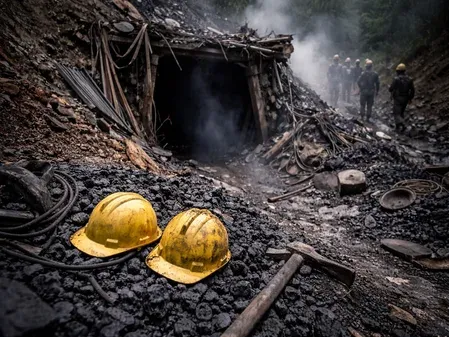
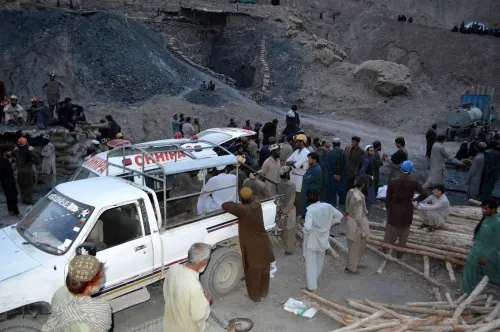
Two miners killed in Khyber Pakhtunkhwa coal mine accidents in Shangla
Synopsis
Two more coal miners are dead in Khyber Pakhtunkhwa — the latest casualties in a string of preventable mining tragedies across Pakistan. With five killed in Balochistan last month and no credible government safety response in sight, Pakistan's coal sector is emerging as one of the country's deadliest workplaces.
Key Takeaways
Two miners were killed and one injured in separate coal mine accidents in Shangla district, Khyber Pakhtunkhwa on 21 May .
The first fatality occurred at Mine No.
5, Akhorwal coal mines , where workers were buried under debris; rescue took nearly two and a half hours .
A second miner died in a separate incident at a mine in the Chaparmashti area the same day.
Last month, five miners were killed in two incidents in Bolan and Duki coalfields in Balochistan .
Labour organisations and local residents are demanding strict enforcement of safety regulations across all Pakistani coal mines.
Two coal miners were killed and one more was injured in two separate mining accidents in Shangla district of Pakistan's Khyber Pakhtunkhwa province on Thursday, 21 May, according to local media reports. The fatalities have renewed alarm over chronic safety failures in Pakistan's coal mining sector.
How the Incidents Unfolded
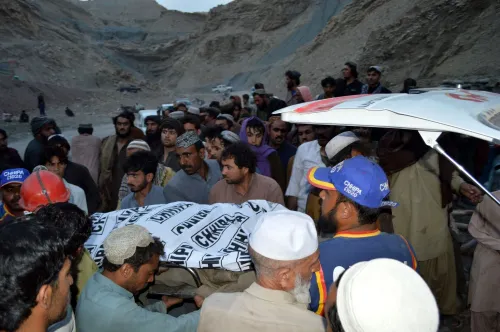
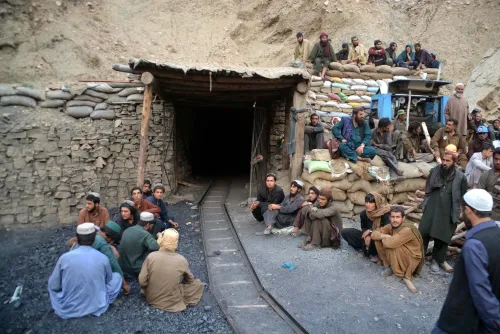
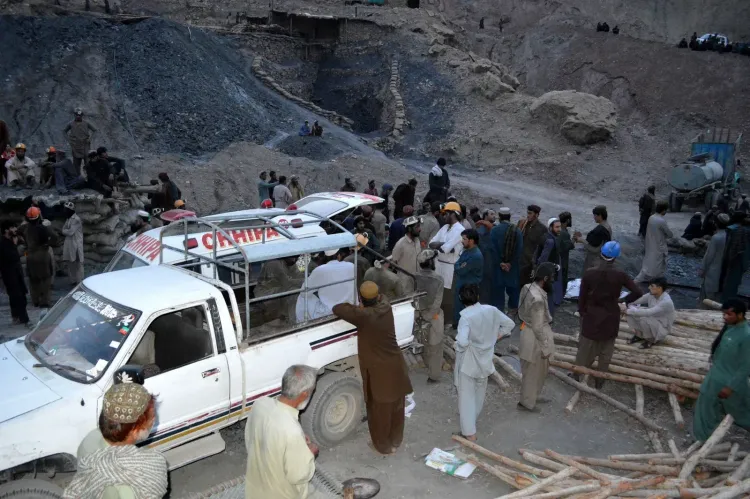
The first accident occurred at Mine No. 5 of the Akhorwal coal mines, where two workers were buried under debris during mining operations. Rescue teams, fellow miners, and local residents worked for nearly two and a half hours before retrieving the trapped workers. One miner died from his injuries; another sustained injuries. Both the deceased and the injured worker were residents of Shangla district.
In a separate incident the same day, a miner died while working at a coal mine in the Chaparmashti area. His body was transported to his native village for last rites after completion of the necessary formalities.
Community and Labour Groups Raise Alarm
Local residents and labour organisations have voiced serious concern over the persistent absence of adequate safety measures across Pakistan's coal mines. People in the region described recurring accidents as a constant threat to the lives of workers. They called on the government and relevant authorities to enforce strict safety protocols across all mining sites to prevent further loss of life.
A Pattern of Deadly Accidents
The Shangla tragedies are not isolated. Last month, five coal miners were killed and one was injured in two separate incidents in the Bolan and Duki coalfield areas of Pakistan's Balochistan province. In the Bolan incident, three miners died after methane gas accumulated underground, causing fatal suffocation before rescue teams from the Mines and Minerals Department could reach them. In Duki, a coal trolley struck three miners, two of whom later succumbed to their injuries at hospital.
This comes amid longstanding warnings from mining safety advocates that Pakistan's coal sector — which employs hundreds of thousands of workers, many in informal arrangements — remains critically under-regulated. Methane accumulation, inadequate ventilation, and the absence of real-time monitoring equipment are cited repeatedly as root causes of fatalities.
What Authorities Must Address
Labour groups have specifically demanded strict implementation of existing safety regulations, independent inspections of mine infrastructure, and accountability for mine operators who flout safety norms. As of the time of reporting, no official government response to the Shangla incidents had been issued. With Pakistan's coal demand rising amid an energy crisis, pressure on mine operators to maintain output has, critics argue, come at the cost of worker safety.
Point of View
Yet enforcement of existing safety laws remains largely absent. The Balochistan deaths last month, the Shangla deaths this week: the pattern is identical, the government response each time perfunctory. With Pakistan doubling down on domestic coal to manage its energy crisis, the political incentive to slow output for safety upgrades is near zero — and that calculus is killing miners.
NationPress
19 Sept 2026
Frequently Asked Questions
What happened in the Shangla coal mine accidents on 21 May?
Two miners were killed and one was injured in two separate coal mine accidents in Shangla district, Khyber Pakhtunkhwa, on 21 May. In the first incident, workers were buried under debris at Mine No. 5 of the Akhorwal coal mines; in the second, a miner died while working in the Chaparmashti area.
How long did it take to rescue the trapped miners at Akhorwal?
Rescue teams, fellow miners, and local residents worked for nearly two and a half hours to retrieve the workers trapped under debris at Mine No. 5 of the Akhorwal coal mines. One of the retrieved workers died; the other sustained injuries.
Have there been other recent coal mine deaths in Pakistan?
Yes. Last month, five coal miners were killed in two separate incidents in the Bolan and Duki coalfield areas of Balochistan. Three died from methane gas suffocation in Bolan, while two succumbed to injuries after a coal trolley struck them in Duki.
What are labour groups demanding after these accidents?
Local residents and labour organisations are calling on the Pakistani government to enforce strict safety measures across all coal mines and to take direct notice of recurring accidents. They have described the situation as a constant threat to workers' lives.
Why do coal mine accidents keep happening in Pakistan?
Safety advocates point to methane accumulation, inadequate ventilation, and the absence of real-time monitoring as recurring causes. Critics argue that under-regulation, informal employment arrangements, and pressure to maintain coal output amid an energy crisis have collectively made enforcement of safety norms difficult.