Bangladesh dengue toll hits 239 in 2026 as six more die in 24 hours
Synopsis
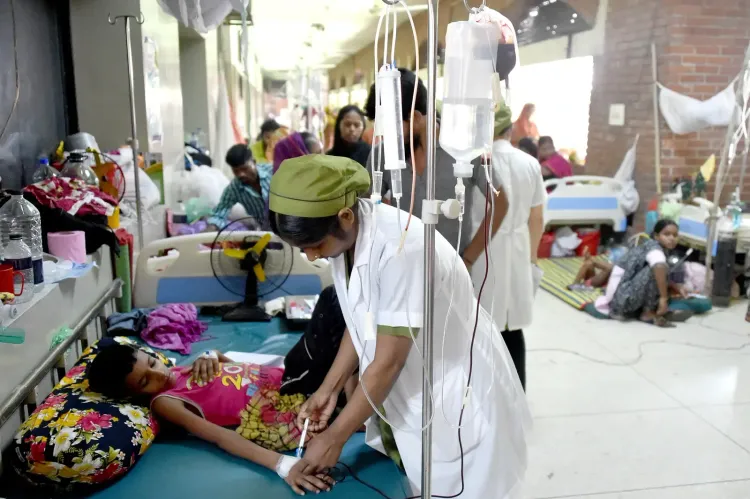
Bangladesh's dengue crisis has now claimed 239 lives in 2026, with six deaths and nearly 2,000 new hospitalisations in a single day. The numbers are staggering in historical context: deaths have risen 11.71 times and cases 15.66 times compared to the entire 18-year period from 2000 to 2018, and experts warn the Aedes mosquito has adapted well beyond urban boundaries.
Key Takeaways
Six people died from dengue in Bangladesh in the 24 hours ending 8 am, 29 September , raising the 2026 toll to 239 .
1,942 new patients were hospitalised in the same period; cumulative hospitalisations since 1 January 2026 stand at 77,672 .
Of total deaths, 52.9% were women and 47.1% were men.
Dengue deaths in Bangladesh are approximately 11.71 times higher and cases 15.66 times higher compared to the entire 2000–2018 period.
PM Tarique Rehman on 6 September ordered intensified cleanliness and awareness drives.
Expert Mushtuq Husain warns that Aedes mosquitoes have spread beyond urban areas and repeat infections are compounding the crisis.
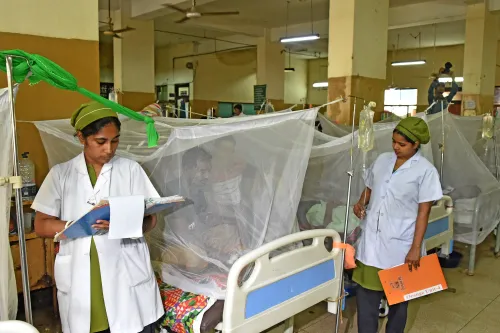
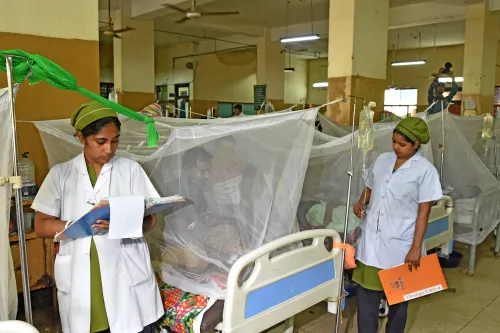
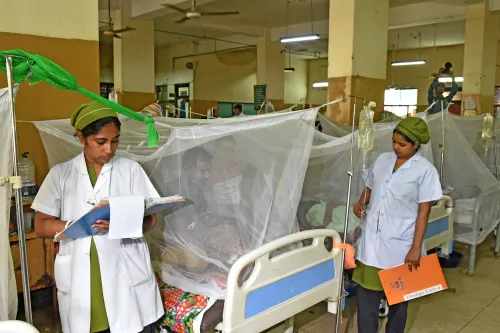
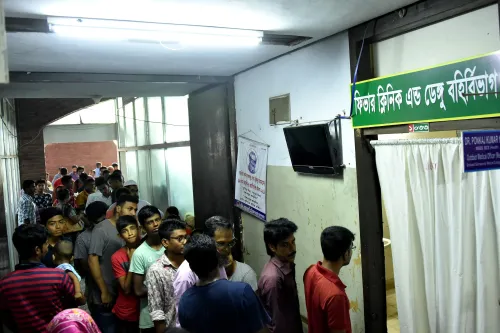
Bangladesh's dengue outbreak claimed six more lives in the 24 hours ending 8 am on Tuesday, 29 September, pushing the country's total fatalities from the mosquito-borne disease in 2026 to 239, according to local media reports. The surge underscores the scale of a public health crisis that has grown dramatically over the past decade.
Latest Case and Fatality Data
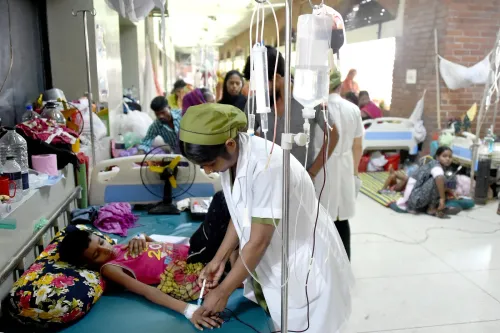
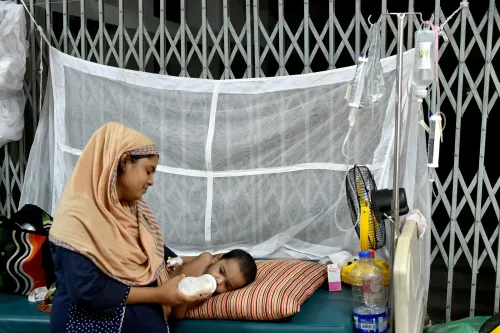
The Directorate General of Health Services (DGHS) reported that 1,942 new dengue patients were admitted to hospitals across Bangladesh during the same 24-hour window. Of the total deaths recorded so far in 2026, 52.9% were women and 47.1% were men. Since 1 January 2026, a cumulative 77,672 patients have required hospitalisation, of whom 72,008 have recovered.
A Decades-Long Escalation
The scale of the current outbreak comes into sharp relief when set against historical data. Bangladesh recorded 296 dengue deaths and 50,208 cases across the 18 years from 2000 to 2018. In the seven years and nine months that followed, fatalities climbed to 3,466 deaths and 7,86,091 cases — representing approximately 11.71 times the earlier death count and 15.66 times the earlier case count, according to The Daily Star. This is not a temporary spike; it reflects a structural deterioration in the country's ability to contain the disease.
Government Response
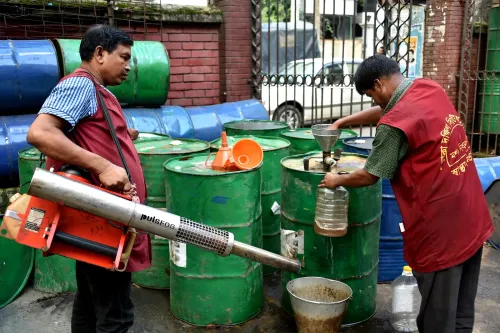
Amid the worsening situation, Bangladesh Prime Minister Tarique Rehman on 6 September directed authorities to intensify cleanliness drives and expand public awareness campaigns to curb dengue transmission. However, experts caution that short-term administrative measures alone will not be sufficient to reverse the trend.
Expert Warning on Mosquito Adaptation
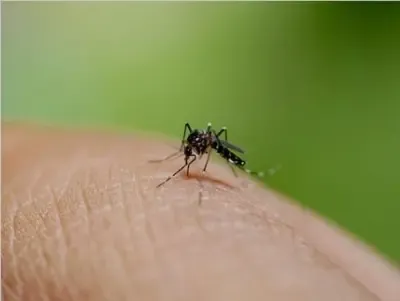
Public health expert Mushtuq Husain warned that a long-term, coordinated and people-centred public health programme is essential for sustainable dengue control. Husain noted that Aedes mosquitoes have adapted to a wide range of environments and can breed in even small quantities of stagnant water, and that their spread is 'no longer confined to urban regions.' He further cautioned that rising population density and the possibility of repeat infections are compounding the crisis — people previously infected with dengue remain susceptible to reinfection, while communities with little prior exposure are also reporting new cases.
What to Watch
Dengue, caused by the dengue virus (DENV) and transmitted through infected mosquito bites, has no specific antiviral treatment; early detection and timely medical care remain the primary tools for reducing severe fatality rates. With the monsoon season still active and urban sprawl continuing to create new mosquito breeding grounds, public health officials are likely to face sustained pressure in the weeks ahead.
Point of View
And a mosquito that has outpaced the state's response capacity. PM Rehman's cleanliness drive directive is the right instinct but a blunt instrument against a pathogen whose epidemiology has fundamentally shifted. Without sustained, data-driven vector surveillance and community-level interventions — as expert Mushtuq Husain has argued — Bangladesh risks normalising a death toll that should be treated as an emergency.
NationPress
29 Sept 2026
Frequently Asked Questions
What is the current dengue death toll in Bangladesh in 2026?
As of 29 September 2026, Bangladesh has recorded 239 dengue deaths in the year, after six people died in the 24 hours ending 8 am on Tuesday. A total of 77,672 patients have been hospitalised since 1 January 2026, with 72,008 having recovered.
How does the 2026 Bangladesh dengue outbreak compare to previous years?
The scale is dramatically larger than historical norms. Bangladesh recorded only 296 dengue deaths across the 18 years from 2000 to 2018. In the roughly seven years and nine months since, fatalities have reached 3,466 — about 11.71 times higher — while cases have risen to 7,86,091, approximately 15.66 times the earlier figure.
What has the Bangladesh government done to address the dengue crisis?
Prime Minister Tarique Rehman on 6 September directed authorities to step up cleanliness drives and public awareness campaigns to limit dengue transmission. However, public health experts have called for longer-term, coordinated interventions rather than short-term administrative measures.
Why is dengue spreading so rapidly in Bangladesh?
According to public health expert Mushtuq Husain, Aedes mosquitoes have adapted to diverse environments and can breed in even small amounts of stagnant water, spreading well beyond urban areas. Rising population density, repeat infections among previously infected individuals, and new exposure in communities with no prior immunity are all contributing to the surge.
Is there a treatment for dengue?
There is no specific antiviral treatment for dengue. Early detection and access to proper medical care are the most effective tools for reducing fatality rates, particularly in severe cases. The disease is caused by the dengue virus (DENV) and transmitted through the bite of infected Aedes mosquitoes.