Bangladesh dengue toll hits 445 in 2026 as six more die in 24 hours
Synopsis
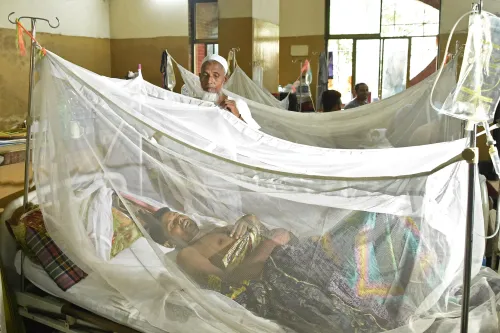
Bangladesh's dengue death toll has crossed 445 in 2026, with six new fatalities recorded in a single 24-hour window on 4 November. Over 1.42 lakh people have been hospitalised since January, and health experts warn the worst may not be over — delayed care-seeking and strained healthcare tiers are turning a containable outbreak into a prolonged crisis.
Key Takeaways
Six people died from dengue in Bangladesh in the 24 hours ending 8 am, 4 November 2026 , taking the year's toll to 445 .
Four of the latest deaths were in Dhaka ; two in Khulna .
A total of 1,42,775 dengue patients have been hospitalised in Bangladesh since 1 January 2026 ; 5,936 remain under treatment.
State Minister Sultan Salauddin Tuku warned in September that dengue risk could increase further in coming months.
Health experts cite delayed hospitalisation, inappropriate treatment, and high-risk patient vulnerability as key drivers of fatalities.
Public health expert Mushtuq Husain has called for a strengthened three-tier healthcare approach to manage the outbreak.
Bangladesh's dengue outbreak claimed six more lives in the 24 hours ending 8 am on Wednesday, 4 November 2026, pushing the country's cumulative death toll from the mosquito-borne disease this year to 445, according to local media reports. The latest fatalities mark another grim milestone in what is shaping up to be one of the country's deadliest dengue years on record.
Latest Figures and Where Deaths Occurred
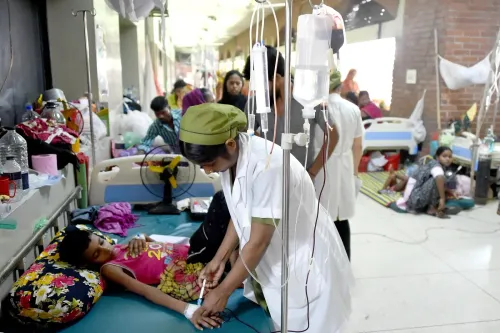
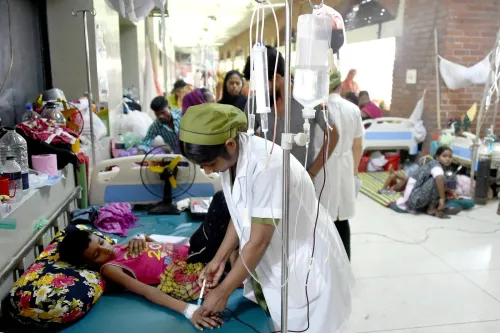
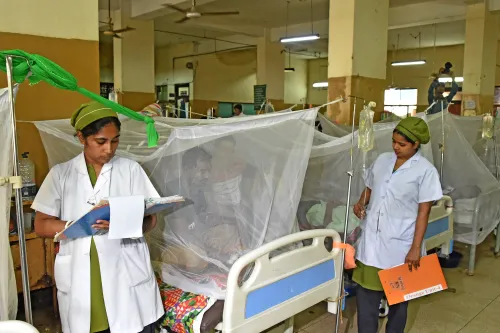
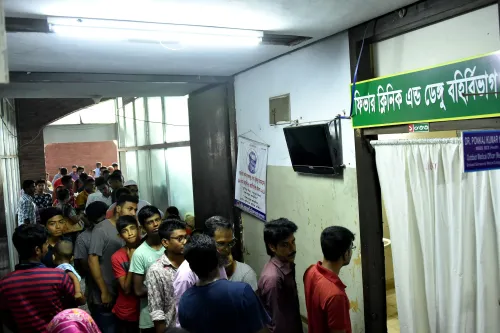
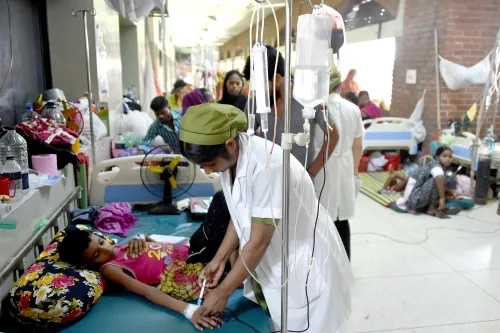
Of the six deaths recorded in the reporting period, four were from Dhaka and two from Khulna, according to reports citing the Directorate General of Health Services (DGHS). During the same window, 1,866 new dengue patients were admitted to hospitals across the country — a figure that reflects continued pressure on the healthcare system.
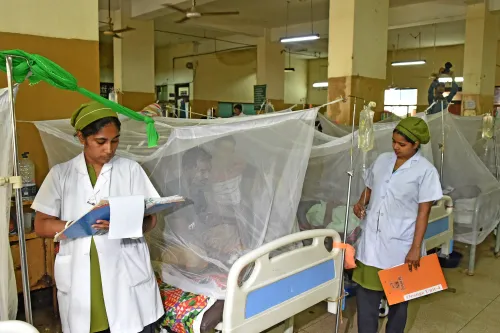
Since 1 January 2026, a total of 1,42,775 dengue patients have been hospitalised in Bangladesh. Of these, 1,36,394 have recovered, while 5,936 patients remain under treatment at various hospitals nationwide.
Government Warning and Calls for Awareness
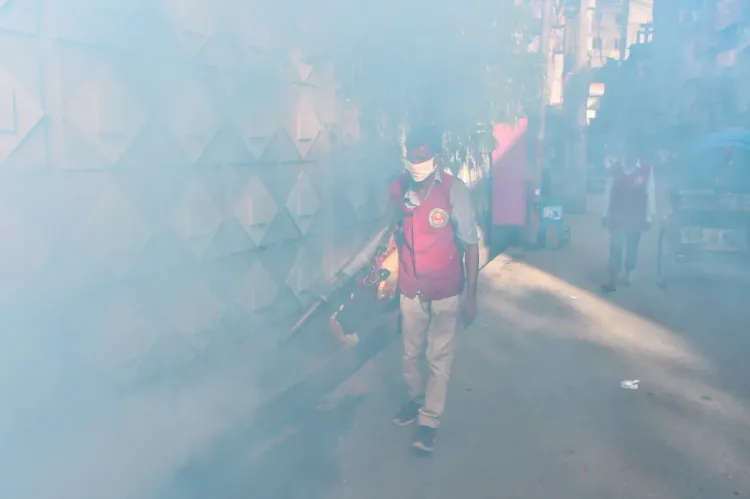
The escalating numbers come weeks after Bangladesh's State Minister for Fisheries and Livestock Sultan Salauddin Tuku issued a public alert at a meeting with lawmakers and local administration covering law, order, and development activities in Dhaka. 'The risk of dengue may increase further in the coming months, so everyone needs to become aware from now,' Tuku said. He stressed that elected representatives, administrative officials, and local residents must jointly pursue cleanliness drives, destruction of mosquito breeding grounds, and broader public awareness campaigns.
What Health Experts Are Saying
Health professionals have attributed the rising fatality count to a combination of delayed hospitalisation, inappropriate treatment, and the heightened vulnerability of high-risk patient groups. Many patients, according to Bangladesh's Daily Star, seek testing and medical care only after their condition turns critical — by which point intervention becomes far more difficult.
H.M. Nazmul Ahsan, Associate Professor at Dhaka's Shaheed Suhrawardy Medical College Hospital, said the spike in deaths is 'largely a consequence of the rapid increase in infections nationwide.' He identified three broad sets of contributing factors: viral factors, patient-related vulnerabilities, and treatment-related complications.
Public health expert Mushtuq Husain called for strengthening dengue care through a three-tier system of primary, secondary, and tertiary healthcare — an approach he argues would catch more cases earlier and reduce case fatality rates.
Broader Context and What It Means
Bangladesh has grappled with worsening dengue seasons in recent years, with the outbreak typically peaking between July and November when monsoon conditions create ideal breeding grounds for Aedes aegypti mosquitoes. This year's toll of 445 deaths from over 1.42 lakh hospitalisations signals that neither containment efforts nor healthcare capacity have kept pace with the disease's spread. Experts warn that the coming weeks will be critical, as the outbreak has not yet shown clear signs of tapering.
Point of View
Uneven treatment quality across facilities, and a public health infrastructure that struggles to shift from reactive to preventive response. Bangladesh has seen deadly dengue seasons before, yet the structural reforms — a three-tier care model, early-warning surveillance, vector control at the ward level — remain aspirational rather than operational. With health experts warning the outbreak has not peaked, the next few weeks will test whether emergency advisories translate into action on the ground or remain ministerial statements.
NationPress
4 Nov 2026
Frequently Asked Questions
What is Bangladesh's dengue death toll in 2026?
Bangladesh's dengue death toll in 2026 has risen to 445 as of 4 November, after six more people died in the 24 hours ending 8 am on Wednesday. Over 1.42 lakh patients have been hospitalised since January.
Which cities recorded the latest dengue deaths in Bangladesh?
Of the six deaths reported in the most recent 24-hour period, four occurred in Dhaka and two in Khulna, according to the Directorate General of Health Services (DGHS).
How many dengue patients are still hospitalised in Bangladesh?
As of 4 November 2026, a total of 5,936 dengue patients remain under treatment at various hospitals across Bangladesh. Of the 1,42,775 hospitalised since January, 1,36,394 have recovered.
Why are dengue deaths rising in Bangladesh?
Health experts attribute the rising fatalities to delayed hospitalisation, inappropriate treatment, and the heightened vulnerability of high-risk groups. Many patients seek care only after their condition turns critical, reducing the window for effective intervention.
What measures have authorities called for to control the dengue outbreak?
State Minister Sultan Salauddin Tuku has called for joint action by representatives, administration, and residents through cleanliness drives and destruction of mosquito breeding grounds. Public health expert Mushtuq Husain has separately recommended a three-tier primary, secondary, and tertiary healthcare system to strengthen dengue management.