Bangladesh in 'serious constitutional crisis', warns ex-PM Sheikh Hasina
Synopsis
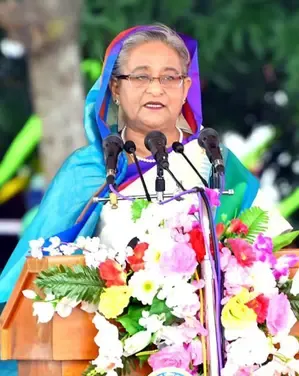
Speaking virtually from exile at a Geneva Press Club seminar, former Prime Minister Sheikh Hasina declared Bangladesh gripped by a 'serious constitutional crisis' — alleging arbitrary detentions, politically driven prosecutions, and judicial capture under the current BNP administration. Her appeal to the UN and international partners signals an effort to internationalise what Dhaka views as a domestic political dispute.
Key Takeaways
Sheikh Hasina addressed the Geneva Press Club seminar on 5 October 2026 , calling Bangladesh's situation a 'serious constitutional crisis.' She accused the current BNP administration of political retaliation, arbitrary detention, and politically influenced legal proceedings.
Hasina alleged thousands of Awami League leaders, activists, and supporters have been detained, prosecuted, or forced into hiding.
She raised concerns about students losing enrolment and young professionals being suspended due to political affiliation.
Hasina called on the United Nations , democratic governments, and human-rights organisations to closely monitor the situation and demanded restoration of judicial independence and due process.
She warned that elections cannot be genuinely representative if the Awami League remains excluded from political participation.
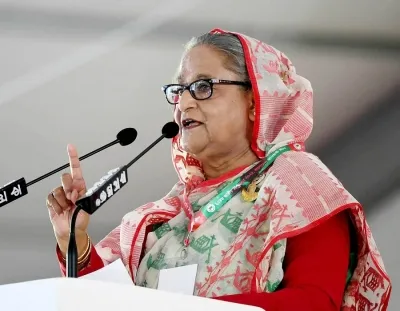
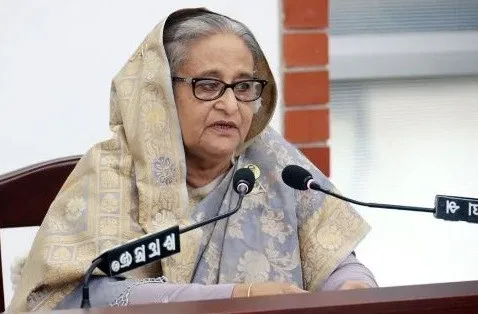
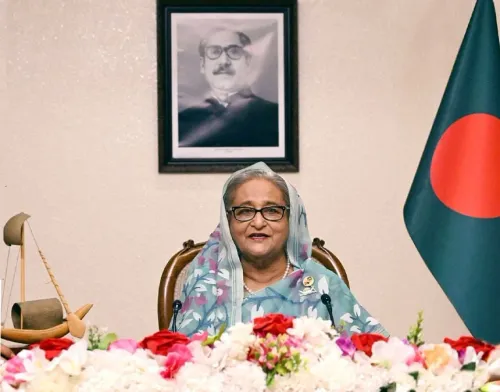
Former Prime Minister Sheikh Hasina on 5 October 2026 declared that Bangladesh is gripped by 'a serious constitutional crisis', insisting that the nation's future must be shaped by the 'free and informed will' of its people — not by fear, force, or administrative diktat. She made the remarks at the Geneva Press Club during a seminar titled 'Bangladesh's Constitutional Crisis: Right to Education, Arbitrary Detention and Fabricated Tribunal Verdicts.'
The Geneva Seminar
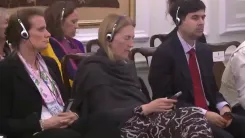
The event drew former political leaders, lawyers, human-rights advocates, researchers, and international experts from Europe, Asia, and Africa. According to the Awami League, discussions covered Bangladesh's constitutional order, rule of law, human rights, political participation, judicial independence, and the future of the country's democratic institutions.
Hasina addressed the gathering virtually, asserting that the upheavals of July and August 2024 had brought neither peace nor prosperity to Bangladesh.
Allegations Against the Current Administration
Hasina levelled serious charges against what she described as the BNP administration, accusing it of 'political retaliation, arbitrary detention, politically influenced legal proceedings and actions.' She argued that these measures are actively harming the educational and professional futures of students and citizens on account of their political identities.
She cited a series of incidents involving alleged violence, killings, arrests, and widespread insecurity across different parts of Bangladesh, claiming that 'many such incidents never reach the media.' The former Prime Minister argued that the situation 'should no longer be viewed solely as political instability but as a crisis involving law, public security and the responsibilities of the state.'
Impact on Education, Detention and the Justice System
Hasina expressed particular alarm over conditions in universities and educational institutions, alleging that students had lost enrolment or certificates while young professionals had been suspended from employment due to political affiliation. Stressing that 'political identity should never be treated as collective criminal liability,' she maintained that 'anyone accused of a crime should be held individually accountable through due process.'
On the justice system, she alleged that thousands of Awami League leaders, activists, and supporters had been detained, prosecuted, or forced into hiding. She questioned the use of criminal and anti-terrorism laws, alleging that due process, equal treatment, and judicial independence were all under pressure. She also warned that 'if judicial institutions are used for political retaliation, public confidence in the justice system will suffer.'
Addressing capital punishment, Hasina said the 'state should not exercise the power to take a person's life where the fairness and independence of the judicial process itself are in question.'
Call for International Intervention
Hasina urged the United Nations, democratic governments, human-rights organisations, the legal community, and Bangladesh's international partners to closely monitor the situation. Her specific demands included an end to arbitrary detention and politically motivated persecution, restoration of judicial independence and due process, protection for students and professionals, adequate medical care for those in state custody, and guarantees for freedom of expression, association, and peaceful political activity.
She further argued that excluding the Awami League — through judicial and tribunal processes — from political life would render any election unrepresentative. 'Bangladesh's future must be determined by the people of Bangladesh,' she said, 'through free and informed public choice rather than fear, force or administrative orders.' How the current administration and Bangladesh's international partners respond to these allegations will be closely watched in the weeks ahead.
Point of View
But they come from a leader who herself oversaw decades of contentious governance; credibility cuts both ways. What is striking is the explicit appeal to the UN and foreign governments, signalling that the Awami League sees little prospect of domestic political recovery without external pressure. Whether that gambit finds traction in Western capitals — or is dismissed as the complaints of a displaced incumbent — will determine the real-world impact of this seminar.
NationPress
5 Oct 2026
Frequently Asked Questions
What did Sheikh Hasina say at the Geneva Press Club seminar?
Former Prime Minister Sheikh Hasina declared that Bangladesh is facing 'a serious constitutional crisis,' alleging arbitrary detention, politically motivated prosecutions, and pressure on judicial independence under the current BNP administration. She addressed the seminar virtually on 5 October 2026.
What is the Bangladesh constitutional crisis about?
According to the Awami League and speakers at the Geneva seminar, the crisis involves the alleged dismantling of constitutional order, rule of law, and democratic institutions in Bangladesh since the events of July–August 2024. Allegations include mass detentions of opposition members, exclusion of the Awami League from political life, and interference in the judiciary.
Who attended the Geneva seminar on Bangladesh?
The seminar titled 'Bangladesh's Constitutional Crisis: Right to Education, Arbitrary Detention and Fabricated Tribunal Verdicts' brought together former political leaders, lawyers, human-rights advocates, researchers, and international experts from Europe, Asia, and Africa.
What action did Hasina demand from the international community?
Hasina called on the United Nations, democratic governments, human-rights organisations, and Bangladesh's international partners to closely monitor the situation. Her specific demands included ending arbitrary detention, restoring judicial independence, protecting students and professionals from political persecution, and guaranteeing freedom of expression and peaceful political activity.
Why does Hasina say elections in Bangladesh cannot be representative?
Hasina argued that the Awami League has been effectively banned and excluded from political participation through judicial and tribunal processes. She maintained that an election cannot be genuinely representative if a major political force and its supporters are barred from taking part.