Kota maternal deaths: Clean chit to 3 doctors sparks accountability row
Synopsis
Three doctors suspended after five women died and others suffered kidney failure at Kota Medical College have been reinstated following a clean chit from enquiry panels — but the reports are not public, survivors remain on dialysis, and key lab results are still awaited. The contradiction between the government's initial findings of serious lapses and the final exoneration has left families, patients, and accountability advocates demanding answers.
Key Takeaways
Five women — Ragini Meena , Aarti , Dhanni , Pinky , and Sushila — reportedly died after childbirth at Kota Medical College .
Khushbu Meena , and Dr.
Navneet Kumar were suspended in May 2026 over alleged treatment and protocol lapses.
Four enquiry committees from Kota , Jaipur , Jodhpur , and Delhi reportedly cleared the doctors of negligence, leading to their reinstatement.
Initial findings had flagged fungal growth in the ward and OT, substandard Oxytocin injections, protocol violations, and an unavailable ventilator ambulance.
Several survivors reportedly remain on dialysis and have demanded the enquiry and forensic reports be made public.
Samples from nine medical devices sent to a Kolkata laboratory are still awaiting results.
Months after five women died and several others suffered kidney failure following childbirth at Kota Medical College, a deepening accountability crisis has gripped Rajasthan — three senior doctors suspended in May 2026 over alleged treatment lapses have been reinstated after enquiry committees reportedly found no medical negligence, raising fundamental questions about who bears responsibility for the deaths and debilitating complications.
The Reinstatement and the Central Contradiction
The three reinstated doctors — Dr. B.L. Patidar, Dr. Khushbu Meena, and Dr. Navneet Kumar — were all senior faculty at Kota Medical College. They were placed under suspension in May following the deaths of new mothers and reports of kidney failure among post-delivery patients. Four separate enquiry committees — constituted from Kota, Jaipur, Jodhpur, and Delhi — have reportedly cleared them of medical negligence, paving the way for their return to duty.
The clean chit, however, has sharpened rather than resolved the central question: if the doctors were genuinely not negligent, what justified their suspension? And if serious lapses did exist — as the government's own initial findings suggested — who is accountable for the outcome?
What the Initial Enquiry Had Found
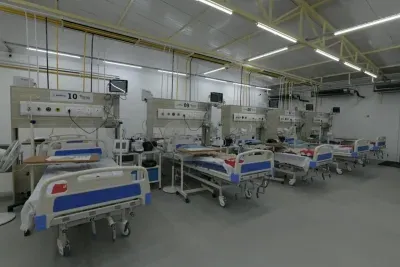
The government's early response in May was unambiguous. Inspections and preliminary enquiries reportedly flagged a disturbing range of failures: non-adherence to treatment protocols in the operation theatre, absence of senior doctors in the post-gynaecology ward, excessive administration of fluids and antibiotics to women after childbirth, sanitation breakdowns including dampness and fungal growth in the post-gynaecology ward and operation theatre, and questions surrounding medicines and emergency facilities.
Medical Department Principal Secretary Gayatri Rathore reportedly acknowledged on 11 May that a preliminary enquiry had identified protocol shortcomings in the operation theatre. Culture samples from the ward and operation theatre reportedly failed twice. On 26 May, the Drug Department reportedly found an Oxytocin injection sample to be substandard. Action was initiated against nursing staff and hospital officials in addition to the doctors.
Victims Left Without Answers
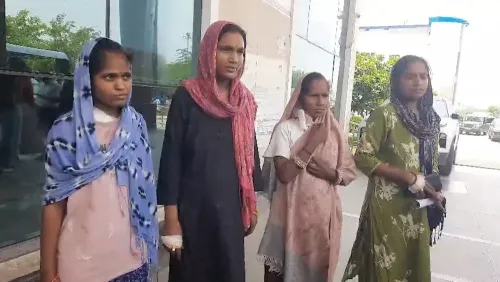
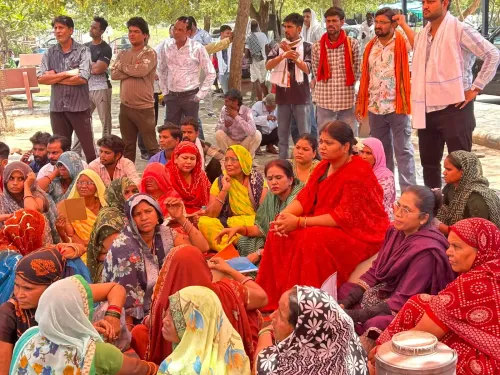
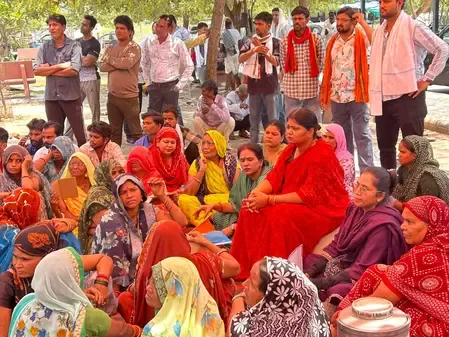
For the families of the five women who died — Ragini Meena, Aarti, Dhanni, Pinky, and Sushila — the controversy is not an administrative matter. Several women who survived reportedly continue to suffer kidney failure and remain dependent on dialysis. They have described severe physical and psychological distress, including episodes of temporary vision loss.
On 11 May, when the condition of a patient identified as Pinky deteriorated, an ambulance equipped with a ventilator was reportedly unavailable. A subsequent inspection on 17 May reportedly found filth and fungal growth persisting in the gynaecology ward. The affected women and their families have demanded that the government make both the enquiry committee reports and forensic findings public, and explain what caused the kidney failures.
Investigation Still Incomplete
Critically, the investigation is not fully concluded. Samples from nine medical devices from the new hospital were reportedly sent to a laboratory in Kolkata for testing, and those results are still awaited. This makes the government's obligation to maintain transparency all the more pressing, according to relatives of the deceased.
Relatives argue that the reinstatement of three doctors cannot be allowed to serve as a full stop. If the doctors were wrongly suspended, the government must explain what drove the initial action. If the preliminary findings of protocol failures and sanitation lapses were accurate, then accountability must extend beyond the three doctors to hospital management, drug suppliers, and administrative oversight.
Government Steps and What Remains Unanswered
Rajasthan Chief Secretary V. Srinivas recently directed officials to strengthen emergency transportation for pregnant women, particularly those classified as high-risk, and to improve coordination between maternal healthcare services and ambulance operations. While observers have acknowledged these as necessary steps, critics argue they address systemic gaps without answering the specific question of accountability in the Kota case.
Five women are dead. Others face prolonged medical treatment. Three doctors were suspended and then reinstated. Key laboratory reports remain pending. The Chief Minister Bhajanlal Sharma-led government now faces mounting pressure to place the enquiry findings on public record and provide a transparent accounting of what occurred inside Kota Medical College — and why.
Point of View
Substandard drugs, and unavailable emergency equipment cannot then quietly reinstate them without placing the full enquiry record before the public. The women who died have been reduced to names on a list; those who survived are on dialysis with no official explanation. Rajasthan's health system has a structural problem with maternal care, and opaque enquiry processes are precisely the institutional reflex that allows it to persist.
NationPress
5 Oct 2026
Frequently Asked Questions
What happened in the Kota maternal deaths case?
Five women — Ragini Meena, Aarti, Dhanni, Pinky, and Sushila — reportedly died after childbirth at Kota Medical College, and several others suffered kidney failure. Three senior doctors were suspended in May 2026 following findings of protocol lapses, but have since been reinstated after enquiry committees reportedly found no medical negligence.
Why were the Kota doctors reinstated after suspension?
Four enquiry committees from Kota, Jaipur, Jodhpur, and Delhi reportedly cleared Dr. B.L. Patidar, Dr. Khushbu Meena, and Dr. Navneet Kumar of medical negligence, paving the way for their reinstatement. The specific findings of these committees have not been made public, which is at the centre of the ongoing controversy.
What lapses did the initial government inspection find at Kota Medical College?
Early inspections and preliminary enquiries reportedly identified protocol violations in the operation theatre, fungal growth and dampness in the post-gynaecology ward and OT, excessive fluids and antibiotics administered to patients, and an unavailable ventilator ambulance during an emergency. A substandard Oxytocin injection sample was also flagged by the Drug Department on 26 May.
What are survivors and their families demanding from the Rajasthan government?
Survivors who reportedly remain dependent on dialysis and their families are demanding that the Rajasthan government make the enquiry committee and forensic reports public, and provide a clear explanation of what caused the kidney failures. They are also asking who bears responsibility for the deaths and complications, given that the suspended doctors have now been cleared.
Is the investigation into the Kota maternal deaths fully over?
No. Samples from nine medical devices from the new hospital were reportedly sent to a laboratory in Kolkata for testing, and those results are still awaited. The pending reports mean the full picture of what occurred at Kota Medical College has not yet been formally established.