Kota hospital deaths, Bikaner kidney failures an 'institutional failure': Gehlot
Synopsis
Five postpartum deaths since May 4 at Kota's New Medical College Hospital and a wave of kidney failure cases at Bikaner's PBM Hospital have drawn a scathing 'institutional failure' charge from former CM Ashok Gehlot — who visited Kota personally and now demands FIRs, suspended officials, and suppressed AIIMS investigation reports be made public.
Key Takeaways
Former CM Ashok Gehlot has written to CM Bhajanlal Sharma calling hospital deaths and kidney failures in Kota and Bikaner an 'institutional failure'.
Five women have died following childbirth at New Medical College Hospital, Kota since 4 May ; several others require ongoing dialysis.
Multiple women at PBM Hospital, Bikaner reportedly suffered kidney failure after childbirth, with lapses in sanitation and infection control cited.
Gehlot visited Kota on 17 June and met affected families; he described conditions as 'heart-wrenching'.
Demands include FIRs against responsible officials and doctors, public release of AIIMS investigation reports, and a government guarantee for lifelong treatment including kidney transplants.
Investigation reports from AIIMS and state agencies have not yet been made public, according to Gehlot's letter.
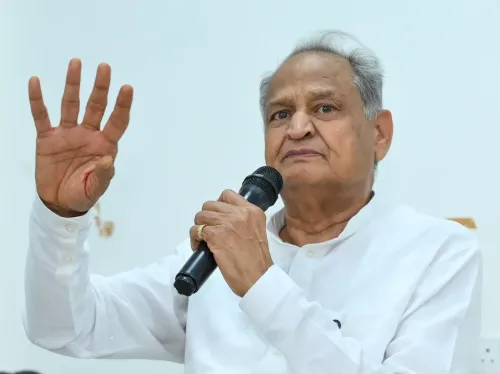
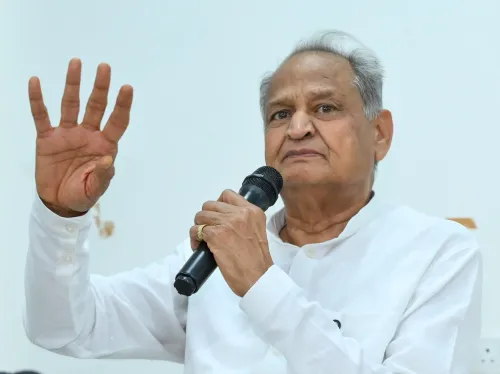
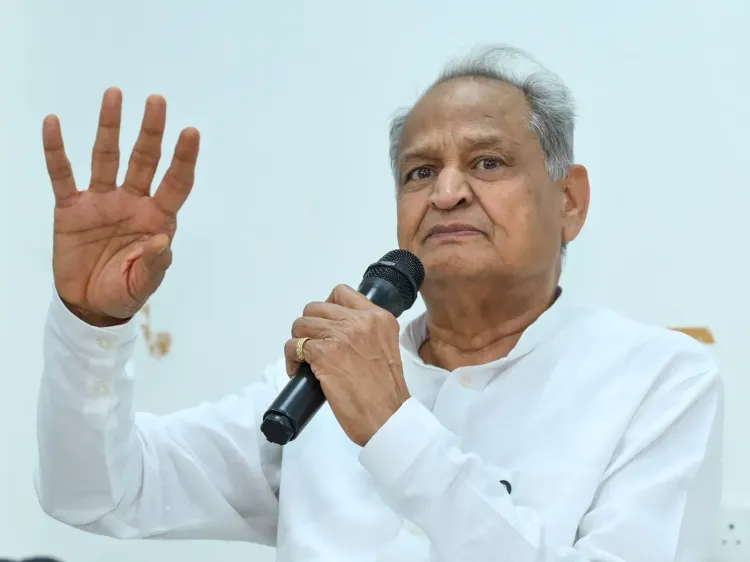
Former Chief Minister Ashok Gehlot on 19 June described the deaths of postpartum women and kidney failure cases at government hospitals in Kota and Bikaner as a shocking 'institutional failure' of Rajasthan's public healthcare system, demanding the highest-level accountability from Chief Minister Bhajanlal Sharma. In a strongly worded letter, Gehlot said poor women who had placed their trust in government hospitals had paid a devastating price for alleged negligence and systemic lapses.
What Happened at Kota and Bikaner
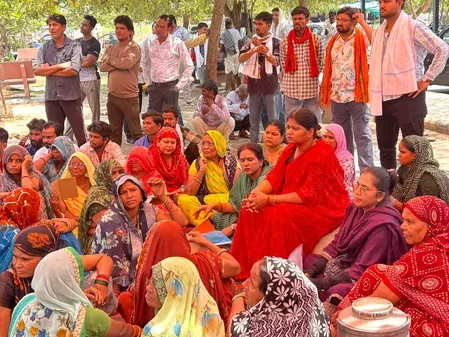
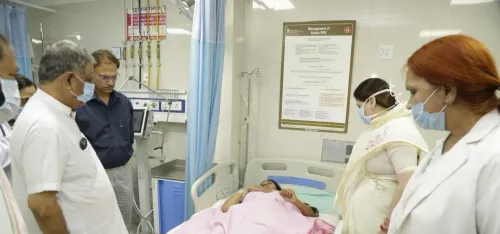
According to Gehlot's letter, five women have died following childbirth at the New Medical College Hospital in Kota since 4 May, while several others continue to suffer kidney damage and require regular dialysis. At PBM Hospital in Bikaner, multiple women reportedly suffered kidney failure after childbirth, with investigation findings pointing to poor sanitation, infection risks near operation theatres, and inadequate critical-care facilities.
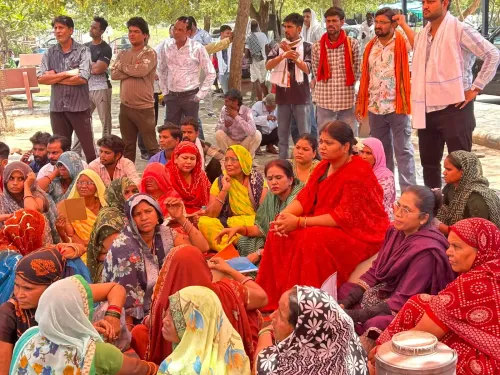
Gehlot said he personally visited Kota on 17 June and met the affected women and their families, describing the conditions he witnessed as 'heart-wrenching'.
What Investigations Have Found
Gehlot cited media reports and expert findings that pointed to possible factors including substandard medicines, poor hygiene, infection in critical hospital areas, and medical negligence. He also referred to concerns reportedly raised by an AIIMS team regarding infection in the operation theatre — concerns that, he said, contradicted claims made by hospital authorities.
Notably, Gehlot expressed concern that investigation reports prepared by AIIMS and state agencies have not yet been made public, arguing that transparency is essential to establish whether the cause lay in medicines, treatment protocols, patient care, or infection control — and to prevent similar tragedies.
Key Demands Raised by Gehlot
The Congress veteran's demands include: immediate suspension of officials and doctors found responsible and registration of FIRs against them; public release of investigation reports submitted by AIIMS and state authorities; expedited forensic testing, including sending samples outside Rajasthan if required; immediate financial assistance to affected families from the Chief Minister's Relief Fund; full government support for lifelong treatment, including kidney transplants where necessary; consultation with specialists from premier institutions such as AIIMS; a statewide review of infection-control protocols in operation theatres at government hospitals; and public reassurance regarding the safety of maternal healthcare services at the hospitals in question.
Broader Implications for Rajasthan's Healthcare System
Gehlot argued that the incidents reflect systemic shortcomings rather than isolated accidents, calling them far more serious than an ordinary medical mishap. This comes amid longstanding concerns about infrastructure gaps and medicine procurement in Rajasthan's public health network. The incidents at two separate hospitals — in different districts — within weeks of each other has amplified calls for a comprehensive audit of maternal care facilities across the state.
The Bhajanlal Sharma government is yet to formally respond to Gehlot's letter. With investigation reports still withheld and affected families awaiting both justice and medical support, the pressure on the state administration is set to intensify in the days ahead.
Point of View
Weeks apart — makes a coincidence argument difficult to sustain. What is striking is not just the alleged lapses in infection control and medicine quality, but the withholding of AIIMS and state investigation reports from the public. Suppressing findings after a preventable-deaths controversy is precisely the kind of institutional opacity that erodes trust in public health systems. The Bhajanlal Sharma government's silence on Gehlot's letter, if prolonged, risks turning a health tragedy into a political liability — especially given that the Congress governed Rajasthan until recently and will scrutinise every delay.
NationPress
20 Sept 2026
Frequently Asked Questions
What happened at Kota's New Medical College Hospital?
Five women died following childbirth at New Medical College Hospital in Kota between 4 May and mid-June 2025, while several others suffered kidney damage and require regular dialysis. Alleged factors include substandard medicines, poor hygiene, and infection in operation theatres, according to Ashok Gehlot's letter to the Chief Minister.
What is the Bikaner kidney failure case about?
Multiple women at PBM Hospital in Bikaner reportedly suffered kidney failure after childbirth. Investigation findings cited by Gehlot point to poor sanitation, infection risks near operation theatres, and inadequate critical-care facilities as contributing factors.
What has Ashok Gehlot demanded from the Rajasthan government?
Gehlot has demanded immediate suspension of responsible officials and doctors, registration of FIRs, public release of AIIMS and state investigation reports, financial assistance from the Chief Minister's Relief Fund, and a government guarantee for lifelong treatment — including kidney transplants — for affected women.
Why are the AIIMS investigation reports significant?
An AIIMS team reportedly raised concerns about infection in the operation theatre at Kota, contradicting claims made by hospital authorities. Gehlot argues that making these reports public is essential to establish accountability and prevent future tragedies, but the reports have not yet been released.
How has the Rajasthan government responded?
As of 19 June, the Bhajanlal Sharma government had not formally responded to Gehlot's letter. The investigation reports from both AIIMS and state agencies remain withheld from the public, according to information cited in Gehlot's letter.