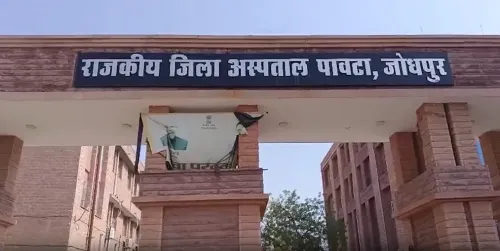
5 women develop kidney failure post-delivery at Bikaner's PBM Hospital; Rajasthan orders probe

Synopsis
Five women are fighting for their lives in the ICU at Bikaner's PBM Hospital after developing kidney failure days after childbirth — the second major maternal health crisis to rock Rajasthan's public hospitals in quick succession. With one patient on a ventilator and families alleging information blackouts, the state government's ordered probe will test whether this is an isolated cluster or a symptom of deeper systemic failure.
Key Takeaways
Five women developed severe complications, including kidney failure , 10 to 15 days after delivery at PBM Hospital, Bikaner .
All five are in the ICU on dialysis ; a 20-year-old from Phalodi is on a ventilator .
Two patients had Caesarean sections ; three had normal deliveries .
Rajasthan Health Minister Gajendra Singh Khimsar chaired a high-level review at Swasthya Bhawan and ordered a comprehensive inquiry.
The minister distinguished the Bikaner cases from the recent Kota maternal deaths, calling them separate incidents.
The government is exploring third-party agency inspections to strengthen hospital oversight statewide.
Five women have developed severe complications, including kidney failure, after giving birth at PBM Hospital in Bikaner, Rajasthan, triggering a high-level government inquiry and renewed scrutiny of public health infrastructure in the state. The cases surfaced within days of a separate maternal deaths episode in Kota, intensifying pressure on the state health administration.
Condition of the Affected Women
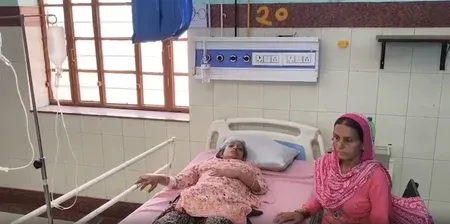
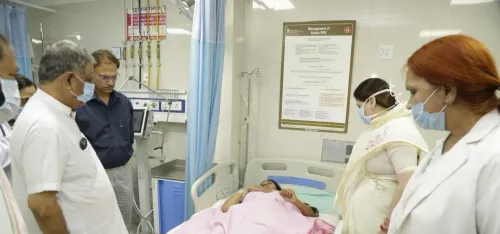
According to hospital officials, all five women fell critically ill 10 to 15 days after delivery. Of them, two had undergone Caesarean sections and three had normal deliveries. All five are currently admitted to the Intensive Care Unit (ICU) and are undergoing dialysis. A 20-year-old woman from Phalodi is in the most serious condition and is on a ventilator.
Preliminary findings indicate the women suffered complications including urinary retention, infections, low platelet counts, and kidney failure. PBM Hospital Superintendent B.C. Ghiya acknowledged a noticeable rise in such cases over the past week, while noting that pregnancy-related complications are not entirely uncommon. A team of specialists has been deployed to monitor and treat all five patients.
Government Response and High-Level Meeting
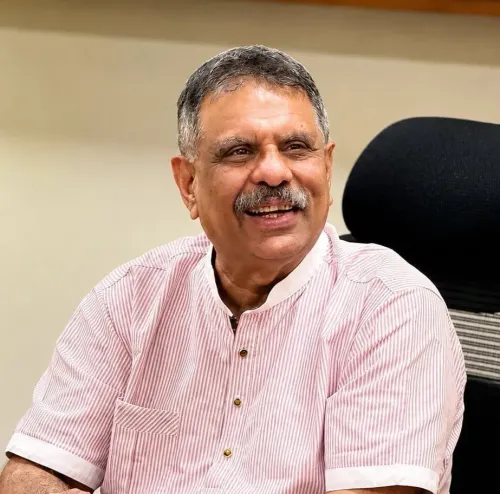
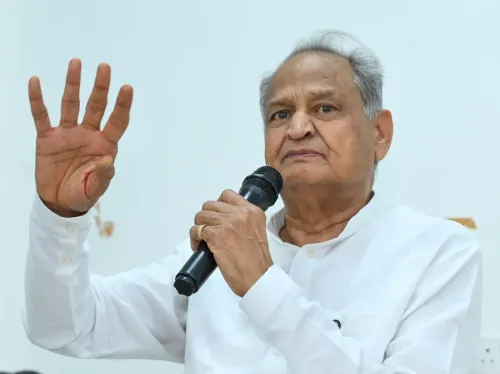
Rajasthan Health Minister Gajendra Singh Khimsar convened a high-level meeting at Swasthya Bhawan on Tuesday to review the situation. Senior officials present included Principal Secretary, Medical and Health Department, Gayatri Rathore; Commissioner, Medical Education, Babulal Goyal; RMSCL Managing Director Pukhraj Sen; Drugs Controller T. Shubhamangala; and SMS Medical College Principal Deepak Maheshwari.
Khimsar directed that all affected patients receive the best possible care and ordered a comprehensive medical and administrative inquiry into each case. He stated that, at first glance, the incident does not appear to involve negligence, but warned that strict action would be taken against those responsible if any lapse is established during the investigation.
Bikaner vs Kota: Minister Draws a Distinction
Addressing reporters after the meeting, Khimsar was categorical that the Bikaner cases should not be conflated with the Kota maternal deaths, describing the two situations as distinct and occurring under different circumstances. He noted that the Bikaner complications emerged over varying time periods and involved different modes of delivery, suggesting the causes may differ.
Notably, this is the second major public-hospital health crisis to surface in Rajasthan within a short span, raising broader questions about infection-control protocols and oversight mechanisms across the state's government hospitals.
Systemic Gaps and What Comes Next
The minister acknowledged that infection-control systems and hospital monitoring mechanisms require strengthening. The government is reportedly exploring the engagement of third-party agencies for regular hospital inspections and operational assessments statewide.
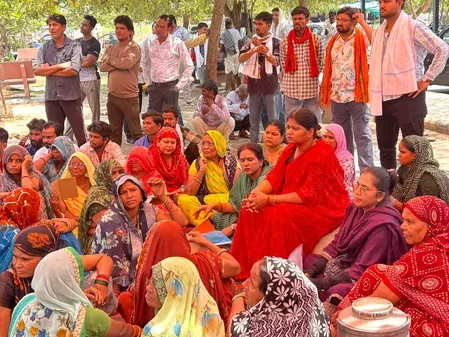
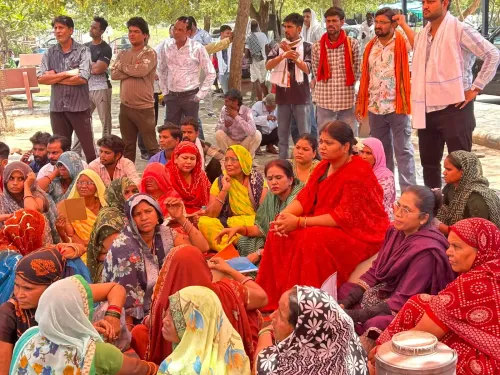
The hospital administration has constituted a committee of specialist doctors to investigate possible causes, including infection, excessive bleeding, and other medical factors. Family members of the affected women have alleged they were not kept adequately informed about their relatives' conditions and treatment — a concern officials said is being addressed.
The inquiry's findings will be submitted to the state government upon completion. Khimsar urged the public to rely solely on verified, official information and reiterated that no compromise on patient care would be tolerated.
Point of View
Not just clinical misfortune. The proposed third-party inspection mechanism is the right instinct, but its credibility will depend entirely on whether it operates independently of the hospital administration it is meant to audit.
NationPress
28 Sept 2026
Frequently Asked Questions
What happened at PBM Hospital in Bikaner?
Five women who had recently given birth at PBM Hospital in Bikaner developed severe complications, including kidney failure, urinary retention, infections, and low platelet counts, approximately 10 to 15 days after delivery. All five are currently in the ICU and undergoing dialysis.
What is the current condition of the affected women?
All five women are admitted to the Intensive Care Unit and are on dialysis. A 20-year-old patient from Phalodi is in the most critical condition and is being treated on a ventilator, according to hospital officials.
What action has the Rajasthan government taken?
Health Minister Gajendra Singh Khimsar convened a high-level meeting and ordered a comprehensive medical and administrative inquiry. He directed that all patients receive optimal care and warned of strict action if negligence is found.
Is this incident connected to the Kota maternal deaths?
The health minister has stated that the Bikaner cases are distinct from the Kota maternal deaths and should not be linked. He noted the two incidents occurred under different circumstances and involved different delivery types.
What systemic changes are being considered following the incident?
The Rajasthan government is reportedly exploring the engagement of third-party agencies to conduct regular inspections of government hospitals and assess operational standards. The minister also directed that infection-control measures and treatment protocols be strengthened across the state.