Rajasthan maternal deaths: 5 dead in Kota, new mothers critically ill in Bikaner
Synopsis
Five women are dead in Kota and several more are fighting for their lives in Bikaner — all after routine childbirth procedures at Rajasthan government hospitals. With faulty oxytocin seized, four staff suspended, and expert committees still deliberating, the state faces a maternal healthcare crisis with no official explanation yet in sight.
Key Takeaways
Five women have died in Kota following surgical and Caesarean procedures at government hospitals over the past month.
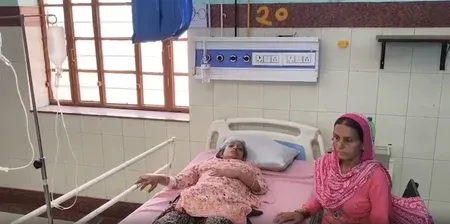
In Bikaner , multiple new mothers are battling acute kidney injury, sepsis, multi-organ failure, and reported vision loss — two are on ventilator support.
Doctors suspect HELLP syndrome in at least two Bikaner cases; no official common cause has been confirmed across either cluster.
Rajasthan Drug Controller Ajay Phatak confirmed oxytocin injection samples failed quality testing; the drug's sale and use has been halted statewide.
The government has suspended four medical personnel in Kota, including two doctors and two nursing staff, over lapses in patient care.
Expert committees are examining treatment protocols, infection control, medicines, and surgical procedures — findings have not yet been made public.
At least five women have died in Kota, Rajasthan, following surgical procedures during or after pregnancy, while a separate cluster of new mothers in Bikaner are battling acute kidney injury, multi-organ failure, sepsis, and in some cases, loss of vision — raising urgent questions about patient safety in the state's government hospitals. More than a month after the first deaths were reported, authorities are yet to reach any official conclusion on the cause.
The Bikaner Crisis: Who Is Affected
Tara Devi, 27, is reportedly suffering from acute kidney injury, severe anaemia, fluid accumulation around the lungs, and dangerously elevated potassium levels. Rahila, 19, has developed postpartum bleeding, low platelet counts, infection, acute kidney injury, and multiple organ dysfunction. Imrati, 20, is battling severe sepsis, kidney failure, and multi-organ dysfunction. Another patient, Kamla, remains in the intensive care unit and has already undergone dialysis three times.
Two young mothers on ventilator support have drawn particular concern. Preeti, 20, a resident of Suratgarh, suffered seizures following childbirth due to severe hypertension. Doctors suspect HELLP syndrome — a life-threatening pregnancy-related disorder. She has also developed acute kidney injury and lung complications and is currently on ventilator support; reports indicate she has lost her eyesight.
Sharda, 26, a resident of Shriramsar, was admitted to Bikaner's Janana Hospital on June 3 and underwent a Caesarean section the following day. Within hours of surgery, her condition began deteriorating rapidly. By June 5, she had been shifted to the ICU, where investigations revealed multi-organ failure and acute kidney injury. Doctors suspect HELLP syndrome. Sharda reportedly lost her vision and developed severe breathing difficulties, eventually requiring ventilator support.
The Kota Deaths: What Is Known
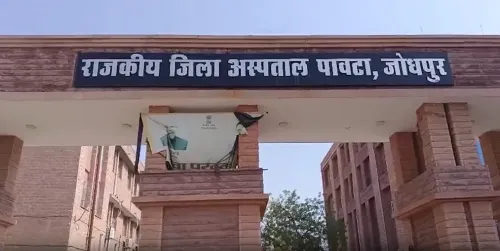
Five women have died at government hospitals in Kota following surgical procedures, including Caesarean deliveries, over the past month. The most recent victim was Shirin, 29, who was five months pregnant when she visited Kota Medical College Hospital for a routine examination. According to her family, doctors advised a minor uterine procedure, after which her condition deteriorated dramatically. Relatives allege she developed serious complications including kidney failure and later died during treatment.
Earlier, Payal, 26, Jyoti Nayak, 19, Priya Mahawar, and Pinki Mahawar also died following surgical procedures at Government Medical College Hospital and JK Lon Hospital in Kota. Family members of the deceased have consistently claimed that many patients developed urinary and kidney-related complications shortly after surgery.
Preliminary investigations revealed that 12 to 13 women underwent Caesarean deliveries during the first week of May. Within hours of surgery, several reportedly developed falling blood pressure, dropping platelet counts, and signs of organ dysfunction, according to health officials.
A Disturbing Pattern Across Two Cities
The complications emerging in Bikaner — acute kidney injury, platelet abnormalities, sepsis, HELLP syndrome, and multi-organ failure — bear a strikingly similar profile to those seen in Kota. Whether the two clusters share any common medical, procedural, pharmaceutical, or infection-related link remains unknown, and no official conclusion has been reached.
Notably, Rajasthan Drug Controller Ajay Phatak confirmed after the Kota deaths that samples of oxytocin injection had failed quality testing, following which the entire stock at the hospital was seized. Authorities subsequently halted the sale and use of the drug across Rajasthan. However, doctors have confirmed that faulty oxytocin alone cannot account for the deaths, leaving the core question unanswered.
Government Response and Action Taken
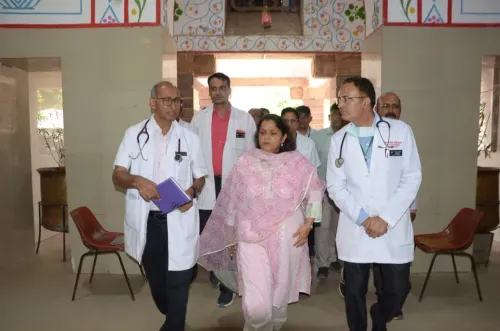
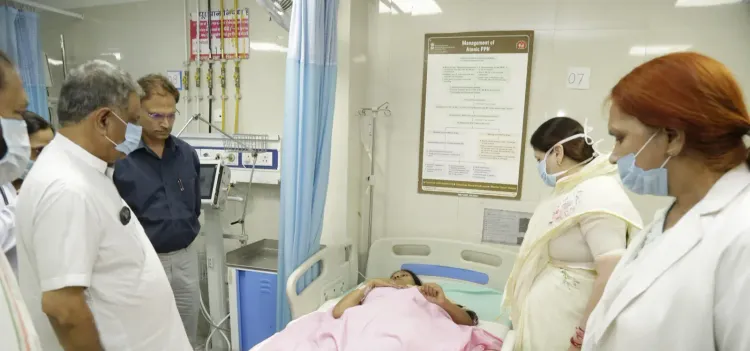
Medical and Health Minister Gajendra Singh Khinvsar convened a high-level review meeting with senior officials and specialist doctors, taking serious note of the health condition of women who recently delivered at PBM Hospital, Bikaner. According to the department's report, of the five women under treatment, three had normal deliveries while two underwent C-sections. All were admitted between May 15 and June 3.
In Kota, the government has suspended four medical personnel, including two doctors and two nursing staff members, after preliminary findings indicated serious lapses in patient care. The Health Department has constituted expert committees to investigate both episodes, examining treatment protocols, infection-control measures, medicines administered, surgical procedures, and post-operative care.
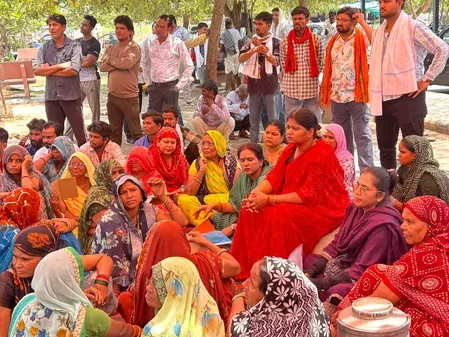
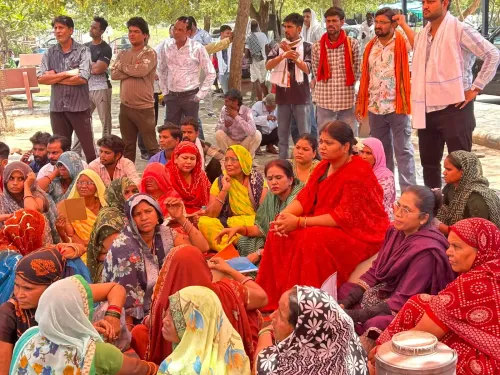
Families of the affected women are demanding accountability. Until investigation reports are made public, Rajasthan's government hospitals remain under intense scrutiny — and the question of what caused healthy women to suffer kidney failure, multi-organ collapse, and death after routine childbirth procedures remains, critically, without an official answer.
Point of View
But doctors themselves say it is not sufficient to explain the deaths, which means investigators must urgently examine shared pharmaceutical supply chains, sterilisation protocols, and surgical consumables across Kota and Bikaner. The suspension of four staff is an accountability gesture, not an explanation. Rajasthan's health administration owes the public — and the bereaved families — a transparent, time-bound investigation report, not an indefinite inquiry.
NationPress
25 Sept 2026
Frequently Asked Questions
How many women have died in Kota's hospitals after childbirth procedures?
Five women have died in Kota following surgical procedures, including Caesarean deliveries, at government hospitals over the past month. The deceased include Shirin (29), Payal (26), Jyoti Nayak (19), Priya Mahawar, and Pinki Mahawar.
What complications are new mothers in Bikaner experiencing?
New mothers in Bikaner are reporting acute kidney injury, sepsis, multi-organ failure, platelet abnormalities, postpartum bleeding, and in at least two cases, loss of vision. Two patients are currently on ventilator support. Doctors suspect HELLP syndrome — a life-threatening pregnancy-related disorder — in several cases.
Is there a confirmed link between the Kota deaths and the Bikaner cases?
No official link has been confirmed. Authorities are investigating whether the two clusters share any common medical, procedural, pharmaceutical, or infection-related cause. The similarity in complications — kidney failure, platelet drops, organ dysfunction — has alarmed investigators, but no conclusion has been reached.
What action has the Rajasthan government taken so far?
The government has suspended four medical personnel in Kota, including two doctors and two nursing staff, over lapses in patient care. It has also seized substandard oxytocin stocks and halted the drug's use statewide. Health Minister Gajendra Singh Khinvsar has held a high-level review meeting, and expert committees have been constituted to investigate both episodes.
Why was oxytocin flagged, and does it explain the deaths?
Rajasthan Drug Controller Ajay Phatak confirmed that samples of oxytocin injection from Kota's hospital failed quality testing, prompting seizure of the entire stock and a statewide halt on its sale and use. However, doctors have stated that faulty oxytocin alone cannot account for the deaths, meaning the primary cause remains under investigation.