Rajasthan maternal deaths span multiple causes, says Health Minister Khimsar

Synopsis
Rajasthan's Health Minister has pushed back against alarm over a cluster of maternal deaths — but the data tells a nuanced story. MMR has fallen 25% in three years, yet deaths across Kota, Bikaner, Bhilwara and Banswara have forced a high-level review. The minister's key message: no single systemic failure, but a systemic response is still urgently needed.
Key Takeaways
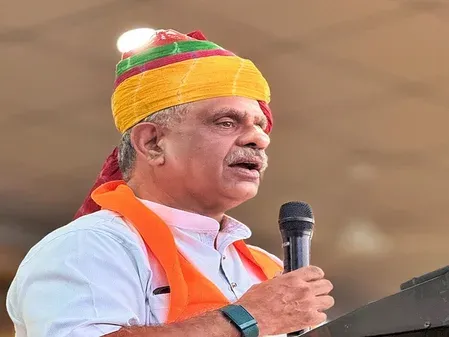
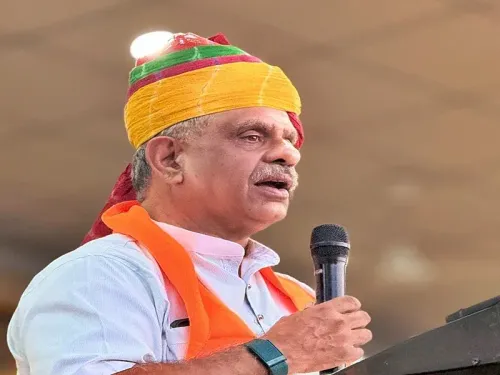
Rajasthan Health Minister Gajendra Singh Khimsar chaired a gynaecologist review on 13 July over maternal deaths in Kota, Bikaner, Bhilwara , and Banswara .
Deaths were linked to distinct high-risk conditions — anaemia, hypertension, PPH , and nutritional deficiencies — not a single common cause.
State maternal deaths fell from 1,094 (2023-24) to 824 (2025-26) , a reduction of approximately 25 per cent .
Senior doctors at major hospitals directed to mentor physicians at smaller facilities and reduce unnecessary referrals of high-risk pregnancies.
Gynaecologists recommended dedicated obstetric ICUs , mandatory pre-operative ECGs, and early anaemia treatment at primary healthcare level.
Field visits by senior medical officers to monitor ASHA workers and ANMs have been ordered.
Rajasthan Medical and Health Minister Gajendra Singh Khimsar on Monday, 13 July convened a review meeting with gynaecologists at Swasthya Bhawan, Jaipur, addressing a cluster of recent maternal deaths reported from Kota, Bikaner, Bhilwara, and Banswara. The minister was unequivocal: unlike past incidents, these deaths share no single underlying cause — each involved high-risk patients with distinct, complex medical complications.
What the Cases Show
According to Khimsar, the deceased women were suffering from conditions including anaemia, hypertension, Postpartum Haemorrhage (PPH), and nutritional deficiencies. Most had been referred to government hospitals from other facilities, indicating they were already categorised as high-risk pregnancies before admission.
Gynaecologists present at the meeting noted that severe hypertension during pregnancy can trigger life-threatening cascades — including liver and kidney failure — and that a number of such cases have surfaced recently across the state.
Declining Trend, But Concern Remains
Khimsar pointed to a measurable improvement in the state's maternal mortality record over three consecutive years. Maternal deaths fell from 1,094 in 2023-24 to 986 in 2024-25, and further to 824 in 2025-26 — an overall reduction of approximately 25 per cent during the tenure of the current state government.
Despite this progress, the minister said every maternal death is being treated with the utmost seriousness. He drew a pointed historical comparison: in 2011, 18 women died within three days in Jodhpur due to a single common cause, and eight women died in successive incidents in Jaipur during 2011-12. The current situation, he stressed, is structurally different — but no less urgent.
Government's Response and Directives
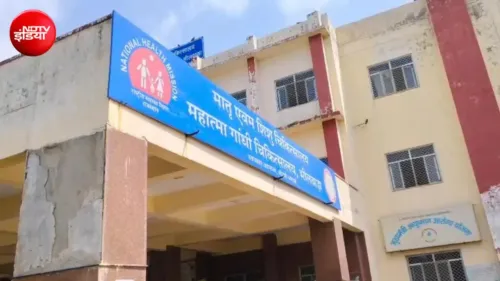
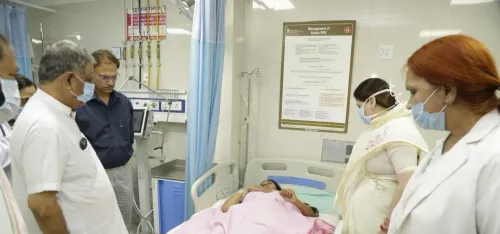
Khimsar conducted detailed videoconference reviews with doctors at Mahatma Gandhi Hospitals in Banswara and Bhilwara, and held individual case reviews with principals and superintendents of medical institutions in Bikaner and Kota. He directed officials to enforce strict infection prevention and control measures across hospitals.
Senior doctors at major government hospitals have been instructed to mentor physicians at smaller peripheral facilities, particularly in the management of referral cases. This, the minister said, would reduce unnecessary referrals of high-risk pregnancies and improve patient outcomes. Senior medical officers were also directed to conduct field visits to monitor the performance of ASHA workers, ANMs, and other frontline healthcare staff.
Gynaecologists' Recommendations
Specialists at the meeting put forward a comprehensive set of recommendations. These included upgrading labour room infrastructure, addressing hospital overcrowding, ensuring early treatment of anaemia at the primary healthcare level, conducting audits of referral cases, maintaining referral-out registers, and establishing dedicated obstetric ICUs.
Additional recommendations covered strengthening antenatal check-up monitoring, making pre-operative ECGs mandatory where indicated, ensuring regular follow-up of pregnant women by ASHA workers and ANMs, increasing public awareness, and enforcing strict compliance with established treatment protocols.
Who Was in the Room
The meeting brought together Principal Secretary (Medical and Health) Gayatri Rathore, NHM Mission Director Dr Jogaram, Commissioner (Medical Education) Babulal Goyal, Additional Mission Director Dr T. Shubhamangala, Director (Public Health) Dr Ravi Prakash Sharma, Director (RCH) Dr Madhu Rateshwar, SMS Medical College Principal Dr Deepak Maheshwari, government and private gynaecologists, principals of medical colleges from the affected districts, PMOs of district hospitals, and other senior officials.
With protocols tightened and mentorship structures being activated, the state's next steps in monitoring high-risk pregnancies at the peripheral level will be closely watched.
Point of View
Referral audits, early anaemia treatment — are textbook responses that have been on policy wish-lists for years. The test is not whether the government can hold a review meeting, but whether it can execute on recommendations that outlast the news cycle.
NationPress
12 Oct 2026
Frequently Asked Questions
Why did maternal deaths occur in Kota, Bikaner, Bhilwara and Banswara recently?
According to Health Minister Gajendra Singh Khimsar, the deaths were linked to high-risk conditions including anaemia, hypertension, Postpartum Haemorrhage (PPH), and nutritional deficiencies — not a single common cause. Most of the women had been referred to government hospitals from other facilities, indicating they were already classified as high-risk before admission.
Has Rajasthan's maternal mortality been improving?
Yes. Maternal deaths in Rajasthan fell from 1,094 in 2023-24 to 986 in 2024-25, and further to 824 in 2025-26 — a reduction of approximately 25 per cent over three years under the current state government.
How does the current situation compare to past maternal death clusters in Rajasthan?
The minister noted that in 2011, 18 women died within three days in Jodhpur due to a single common cause, and eight women died in successive incidents in Jaipur during 2011-12. He said the current deaths are structurally different, involving patients with varied, individual medical complications rather than one systemic failure.
What steps has the Rajasthan government announced to prevent future maternal deaths?
The government has directed senior doctors to mentor physicians at smaller facilities, enforce infection prevention protocols, and conduct field visits to monitor ASHA workers and ANMs. Gynaecologists also recommended establishing dedicated obstetric ICUs, conducting referral audits, and ensuring early anaemia treatment at the primary healthcare level.
Who attended the maternal health review meeting at Swasthya Bhawan?
The meeting was chaired by Health Minister Khimsar and attended by Principal Secretary Gayatri Rathore, NHM Mission Director Dr Jogaram, Commissioner (Medical Education) Babulal Goyal, SMS Medical College Principal Dr Deepak Maheshwari, and government and private gynaecologists, among other senior officials.