What Contributes to Gujarat's MMR of 51 per 1 Lakh Live Births, Ranking 5th Among States?

Synopsis
Gujarat's maternal mortality ratio has impressively dropped to 51 deaths per 100,000 live births, showcasing significant advancements in maternal health. This article delves into the effective strategies and programs implemented by the state to achieve this notable progress.
Key Takeaways
Gujarat's MMR has significantly improved to 51 deaths per 100,000 live births .
Continuous efforts by the Health and Family Welfare Department have led to this positive trend.
Financial assistance is provided for high-risk expectant mothers.
Programs like Khilkhilat Yojana support maternal health initiatives.
Increased budget allocation demonstrates the government's commitment to health.
Ahmedabad, Sep 12 (NationPress) Gujarat has recorded a maternal mortality ratio (MMR) of 51 deaths per 100,000 live births in 2023, as per the latest Sample Registration System (SRS) data released by the state government on Friday.
This figure shows a consistent decline from 91 in 2016, 57 in 2020, and 53 in 2021, highlighting the state's ongoing advancements in maternal health metrics.
The national MMR averages 88 per 100,000 live births (SRS 2021–23), placing Gujarat fifth among major states with the lowest ratios.
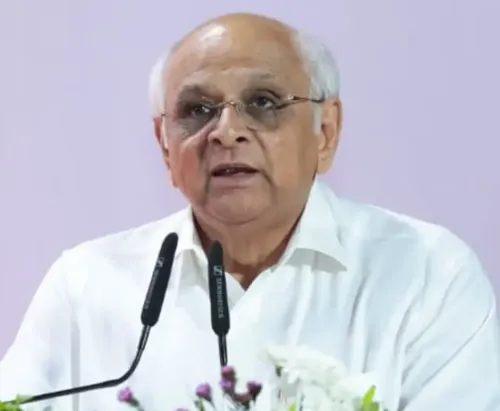
Officials credit this progress to the relentless efforts of the Health and Family Welfare Department, guided by Chief Minister Bhupendra Patel and Health Minister Rushikesh Patel.
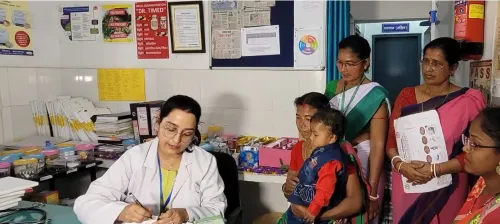
Key measures include timely antenatal registrations, a minimum of four check-ups during pregnancy, targeted care for high-risk mothers, institutional deliveries, post-natal check-ups, and thorough maternal death reviews. Various schemes have bolstered these initiatives. In 2024–25, more than 19.2 lakh mothers and 12.5 lakh newborns availed the benefits of the Khilkhilat Yojana.
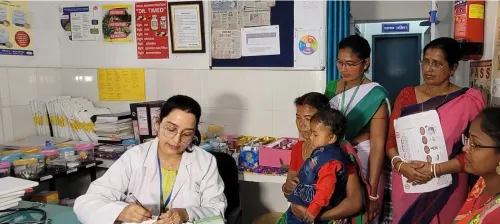
Expectant mothers categorized as high-risk and meeting 19 criteria now receive financial support of Rs 15,000, while those registered under the Namostree scheme can access Rs 12,000 assistance across 11 criteria. The Pradhan Mantri Surakshit Matritva Abhiyan (PMSMA), launched in June 2016, continues to offer specialized antenatal check-ups on the 9th and 24th of each month through public facilities and 502 private gynecologists volunteering for the program.
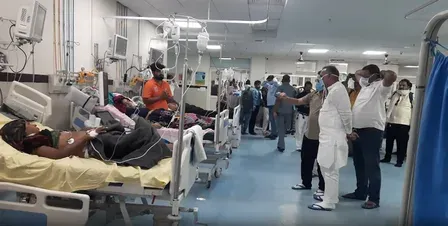
The state government, via its Health and Family Welfare Department, has been proactive in implementing initiatives to enhance prenatal and postnatal care, institutional deliveries, and emergency obstetric services.
Programs like Janani Suraksha Yojana, mobile health units, and a fortified primary healthcare framework have significantly contributed to safer pregnancies, yet ongoing emphasis on nutrition, awareness, and prompt medical intervention is essential for further enhancements.
In Gujarat, the state government has consistently increased its health budget, demonstrating a commitment to strengthening public healthcare systems. For the fiscal year 2024–25, a considerable portion of the budget is allocated toward enhancing primary and secondary healthcare facilities, expanding maternal and child health programs, boosting preventive care, and investing in digital health solutions.
Key budget allocations include upgrading district and community health centers, supporting immunization campaigns, ensuring essential medicines are available, and promoting health awareness initiatives.
Point of View
I commend Gujarat's commitment to improving maternal health indicators. The state's focused strategies and resource allocation reflect a significant advancement in public health, setting a benchmark for other regions to follow. It’s imperative that such initiatives continue, ensuring every mother and child receives the care they deserve.
NationPress
19 Sept 2026
Frequently Asked Questions
What is Gujarat's maternal mortality ratio in 2023?
Gujarat's maternal mortality ratio in 2023 is 51 deaths per 100,000 live births .
How does Gujarat's MMR compare to the national average?
The national maternal mortality ratio stands at 88 per 100,000 live births , making Gujarat's MMR significantly lower.
What initiatives has the Gujarat government taken to improve maternal health?
The Gujarat government has implemented various initiatives, including the Pradhan Mantri Surakshit Matritva Abhiyan , antenatal check-ups, and financial assistance for high-risk mothers.
What financial support is available for high-risk mothers in Gujarat?
High-risk expectant mothers can receive Rs 15,000 in financial assistance under specific criteria.
What is the Khilkhilat Yojana?
The Khilkhilat Yojana is a scheme that has benefited over 19.2 lakh mothers and 12.5 lakh newborns in Gujarat, supporting maternal and child health.