Gehlot demands action over Rajasthan maternal deaths, OT infections in Kota and Bikaner

Synopsis
An inquiry report has reportedly blamed treatment negligence for the deaths of five new mothers at Kota's New Medical College, while an AIIMS team flagged suspected OT infections — and a near-identical crisis has surfaced in Bikaner. Former CM Gehlot, who visited the hospitalised survivors, is demanding criminal cases, suspensions, and a government pledge to fund kidney transplants. Rajasthan's public health system is under its most intense scrutiny in years.
Key Takeaways
An inquiry report reportedly found negligence in treatment was the direct cause of death of five new mothers at New Medical College, Kota .
An AIIMS team raised suspicions of operation theatre infections at the Kota facility; five more women are on dialysis with kidney failure.
A parallel crisis in Bikaner has linked suspected OT infections and poor hospital conditions to kidney failure in post-delivery patients.
Former CM Ashok Gehlot demanded immediate suspension of responsible officials, criminal cases , and government-funded kidney transplants for affected women.
Gehlot called for a comprehensive statewide review of infection-control protocols and maternal healthcare standards across Rajasthan .
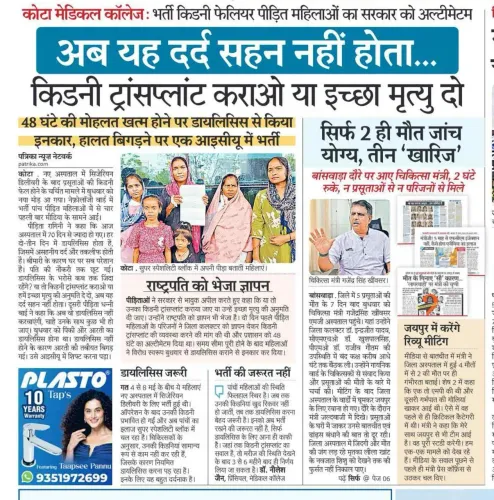
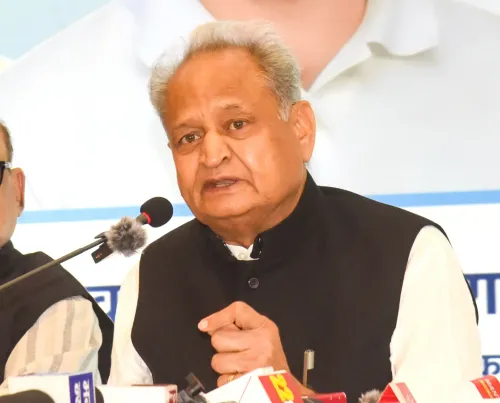
Former Rajasthan Chief Minister Ashok Gehlot on 18 June launched a scathing attack on the state government over the deaths of five new mothers at Kota's New Medical College and a parallel crisis in Bikaner, where suspected operation theatre infections have reportedly caused kidney failure in post-delivery patients. Citing an inquiry report that attributed the Kota deaths directly to negligence in treatment, Gehlot called the findings evidence of a systemic collapse in Rajasthan's public healthcare administration.
What the Inquiry Found
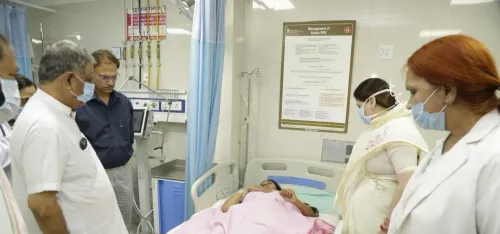
The inquiry report into the Kota maternal deaths case reportedly concluded that negligence in treatment was the direct cause of death of five women following childbirth at New Medical College, Kota. An AIIMS team raised suspicions of operation theatre infections, a finding Gehlot said 'completely shreds the credibility of the hospital administration's claims.' Five additional women who underwent procedures at the same facility are currently battling critical conditions, including kidney failure, and are undergoing dialysis.
The Bikaner Dimension
Gehlot stated that the crisis was not confined to Kota. Similar concerns have emerged in Bikaner, where dilapidated hospital conditions, poor sanitation, and suspected OT infections have reportedly been linked to kidney failure in new mothers. He described both situations as evidence of a pattern of institutional neglect rather than isolated incidents, arguing that the state's entire health department was, in his words, 'itself on a ventilator.'
Gehlot's Demands to the Government
Gehlot said he personally met affected families and hospitalised patients during a visit to Kota, describing them as women from 'extremely impoverished families' with no assurance of continued government funding for treatment after discharge. He made the following demands to the state government and Chief Minister: immediate suspension of senior officials and doctors responsible for the negligence; registration of criminal cases against them; financial compensation to affected families without delay; and a government commitment to bear 100 per cent of the costs for kidney transplants and all future medical treatment if any of the affected women suffer total kidney failure.
Call for Systemic Overhaul
Beyond immediate accountability, Gehlot demanded a comprehensive review of infection-control protocols, operation theatre standards, maternal healthcare services, and hospital management practices across Rajasthan. He warned that any attempt by the government to dismiss the incidents in Kota and Bikaner as mere accidents would amount to shielding those responsible. He accused the administration of failing to maintain basic standards of patient safety, cleanliness, and medical supervision in public hospitals — institutions that poor families depend on as their only recourse for healthcare.
What Happens Next
As of 18 June, the state government had not publicly responded to Gehlot's demands. The five women on dialysis remain in critical condition, and the families of the deceased are yet to receive confirmed assurances of compensation, according to reports. The political pressure is expected to intensify as opposition leaders push for a floor discussion and independent medical audit of the affected facilities.
Point of View
But it risks becoming just another report filed and forgotten unless the state government moves beyond suspensions to structural reform. Gehlot's political pressure is legitimate, but it is worth noting that the public health infrastructure he is now criticising was also his responsibility during his own tenures as Chief Minister. The real accountability question is whether any government — past or present — has invested seriously in OT hygiene, staffing ratios, and maternal care protocols in district hospitals. Until that changes, the next tragedy is already in the pipeline.
NationPress
19 Sept 2026
Frequently Asked Questions
What happened at Kota's New Medical College that triggered the controversy?
An inquiry report reportedly found that negligence in treatment was the direct cause of death of five women following childbirth at New Medical College, Kota. An AIIMS team also raised suspicions of operation theatre infections at the facility, and five additional patients are currently on dialysis due to kidney failure.
What is the situation in Bikaner?
Similar concerns have emerged in Bikaner, where dilapidated hospital conditions, poor sanitation, and suspected OT infections have reportedly been linked to kidney failure in new mothers who delivered at government facilities there.
What has Ashok Gehlot demanded from the Rajasthan government?
Gehlot has demanded the immediate suspension of responsible senior officials and doctors, registration of criminal cases against them, financial compensation for affected families, and a government commitment to fund 100 per cent of kidney transplant and future treatment costs for women who suffer total kidney failure.
Why are these deaths being called institutional negligence rather than accidents?
The inquiry report directly attributed the deaths to negligence in treatment, and an AIIMS team flagged suspected OT infections — suggesting systemic failures in infection control and patient safety rather than unavoidable medical outcomes. Gehlot and critics argue that the pattern across both Kota and Bikaner points to a broader administrative failure.
What broader reforms has Gehlot called for?
Beyond immediate accountability, Gehlot has demanded a comprehensive statewide review of infection-control protocols, operation theatre standards, maternal healthcare services, and hospital management practices across Rajasthan, with the goal of restoring public confidence in the government health system.