Pilot Slams Rajasthan Govt Over Maternal Deaths in Hospitals
Synopsis
Congress leader Sachin Pilot on July 16, 2026, condemned the Rajasthan government over maternal deaths and kidney failure cases in state hospitals, calling official responses a formality and citing Kota patients demanding euthanasia as evidence of systemic failure in public healthcare.
Key Takeaways
Congress leader Sachin Pilot publicly attacked the Rajasthan government on July 16, 2026 over post-partum deaths and kidney failure cases in state hospitals.
Pilot described the medical minister's responses as khanapurti — a mere formality lacking genuine accountability.
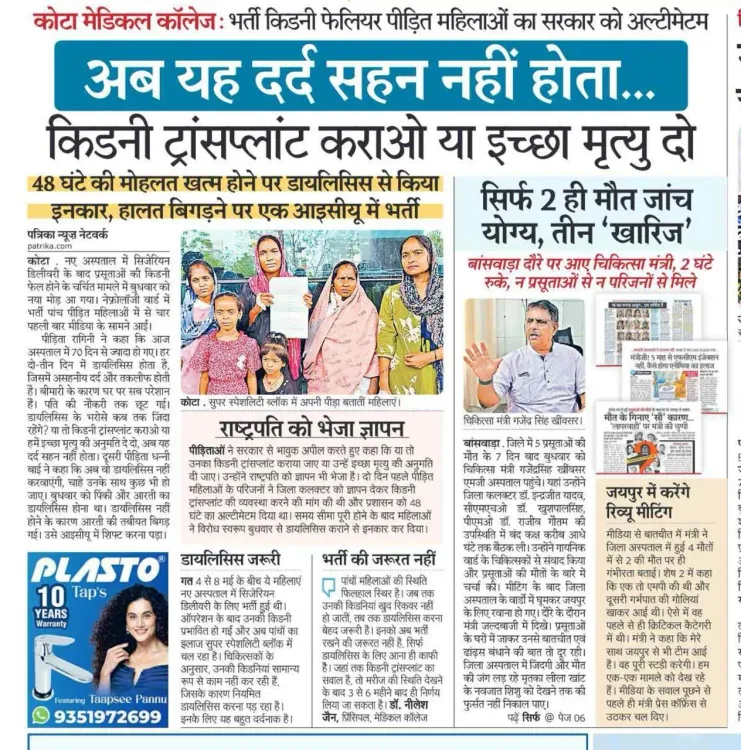
He cited Kota as a flashpoint, where distressed post-partum patients reportedly demanded euthanasia, calling it 'proof of serious failure.' Pilot argued the government's first duty is to save citizens' lives and fix accountability for negligent officials.
He questioned how the state can claim developmental progress when basic health services remain inaccessible to ordinary citizens.
The episode puts pressure on the Rajasthan Health Department and may trigger assembly scrutiny of the state's National Health Mission implementation.
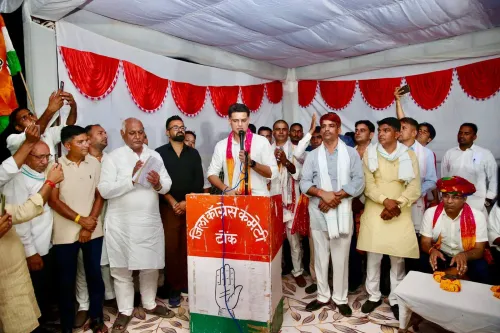
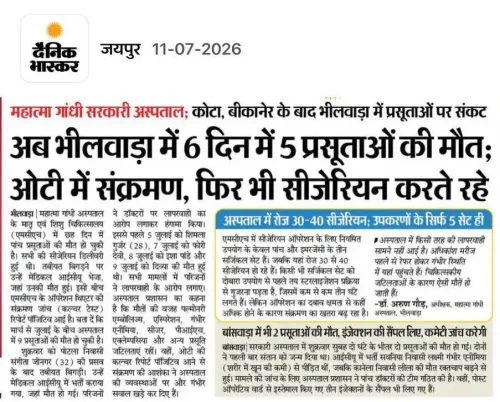
Congress leader and former Rajasthan Deputy Chief Minister Sachin Pilot on Thursday, July 16, 2026, launched a sharp attack on the Rajasthan government over reported maternal deaths and kidney failure cases in state-run hospitals, accusing the administration of indifference and negligence in handling the crisis.
Context
In his post on X, Pilot said the recurring deaths of women following childbirth in Rajasthan's government hospitals and the kidney failure suffered by several mothers exposed 'widespread indifference and negligence' within the health system. He described the state medical minister's explanations as 'khanapurti' — a mere formality, falling short of genuine accountability.
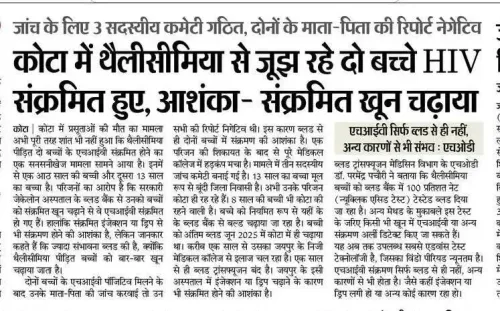
Most strikingly, Pilot pointed to Kota, where distressed post-partum patients reportedly demanded euthanasia out of despair — a situation he called 'proof of serious failure' on the part of the state. He framed the government's primary duty as saving citizens' lives and fixing accountability for those responsible.
Policy Backdrop
Maternal health in Rajasthan has long been a focal point under the National Health Mission (NHM), launched in 2005 as the National Rural Health Mission, which specifically targeted preventable maternal and infant deaths in high-burden states. Despite successive governments channelling funds through the NHM, gaps in last-mile healthcare delivery — understaffed facilities, inadequate post-natal monitoring, and weak grievance redressal — have persisted.
Pilot's critique zeroes in on this gap between stated targets and on-ground outcomes. He questioned how the government could claim developmental progress when citizens lack access to even basic health services: 'jab janta ko buniyadi swasthya suvidhaen tak uplabdh nahin hain' ('when the public does not even have access to basic health facilities').
Stakeholders and Impact
The immediate victims are post-partum women and their families in Rajasthan's public hospitals, particularly in Kota and surrounding districts. Nursing staff, district health officers, and the state's Rajasthan Health Department are implicated in the accountability question Pilot raises.
More broadly, the episode draws attention to the condition of women from economically weaker sections who depend entirely on government facilities for childbirth. Pilot argued that the 'reality of the state's health services has been exposed before the entire country,' raising the political stakes for the ruling dispensation ahead of any legislative or budget scrutiny.
What's Next
Political pressure of this nature typically triggers one of several responses: a government-appointed inquiry committee, a statement from the medical minister addressing specific cases, or a debate in the state assembly. Rajasthan's health budget allocations and NHM implementation reports are likely to come under renewed scrutiny.
Whether the state acts on Pilot's demand for accountability — naming and penalising officials responsible — will determine whether this remains a political flashpoint or translates into systemic reform for maternal care in government hospitals.
Point of View
And the framing around euthanasia demands raises the emotional stakes considerably. Whether this translates into sustained legislative pressure or remains a social-media salvo will depend on whether the Congress can sustain momentum through formal channels such as assembly questions or a fact-finding delegation.
NationPress
15 Oct 2026
Frequently Asked Questions
What did Sachin Pilot say about Rajasthan government hospitals?
Sachin Pilot accused the Rajasthan government of indifference and negligence over maternal deaths and kidney failure cases in state hospitals, calling the medical minister's explanations a mere formality.
What happened in Kota hospital that Sachin Pilot mentioned?
Pilot stated that distressed post-partum patients in Kota had reportedly demanded euthanasia out of despair, which he described as 'proof of serious failure' in the state's health system.
Which party does Sachin Pilot belong to?
Sachin Pilot is a leader of the Indian National Congress, serving as the party's general secretary and Chhattisgarh in-charge. He is also a former Deputy Chief Minister of Rajasthan.
What is the National Health Mission and how does it relate to Rajasthan?
The National Health Mission, launched in 2005, was designed to strengthen maternal and child healthcare in high-burden states including Rajasthan. Critics argue that despite NHM funding, gaps in delivery and accountability persist in government hospitals.
What action has Sachin Pilot demanded from the Rajasthan government?
Pilot demanded that the government fulfil its primary duty of saving citizens' lives and fixing accountability for officials responsible for negligence in maternal healthcare.