CM Saini previews Ambala's 1857 Shaheed Smarak ahead of Shah inauguration

Synopsis
Haryana CM Nayab Singh Saini announces that the Ambala Shaheed Smarak — billed as India's largest memorial and museum dedicated to the 1857 freedom struggle — will be inaugurated by Union Home Minister Amit Shah on 5 November 2026, honouring the martyrs who ignited India's fight for independence.
Key Takeaways
Nayab Singh Saini posted a tribute on 4 November 2026 previewing the Ambala Shaheed Smarak , a memorial complex honouring martyrs of the 1857 revolt .
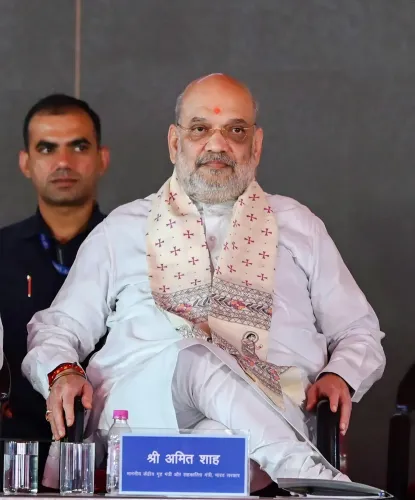
Union Home Minister Amit Shah is scheduled to formally inaugurate the complex on 5 November 2026 .
The state government has positioned the site as India's largest martyrs' memorial and museum dedicated to the 1857 freedom struggle.
Ambala was a documented early centre of the 1857 uprising owing to its major British military cantonment.
The complex is designed to educate and inspire future generations, with programming aimed at students and youth.
The project fits a broader BJP pattern of building memorials that highlight pre-Gandhian phases of India's independence movement.
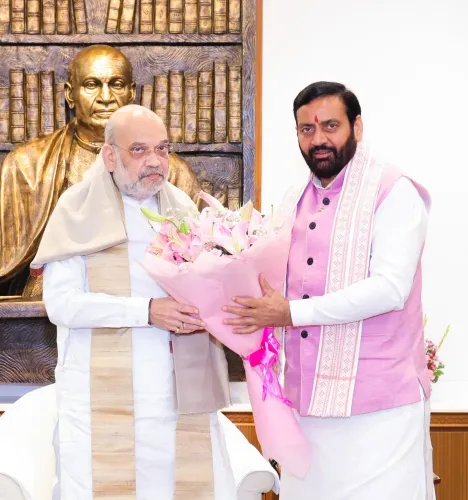
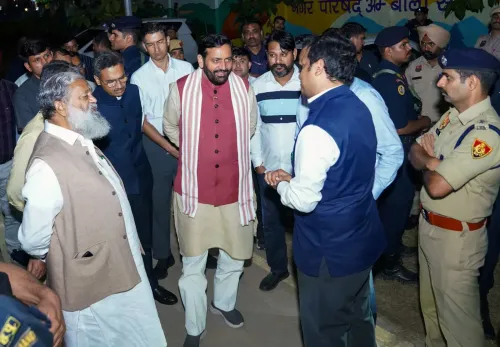
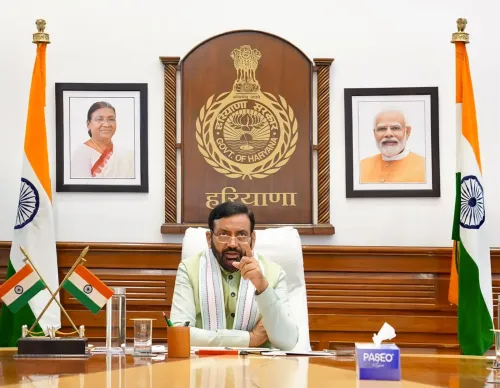
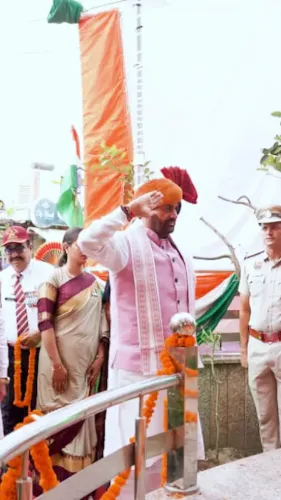
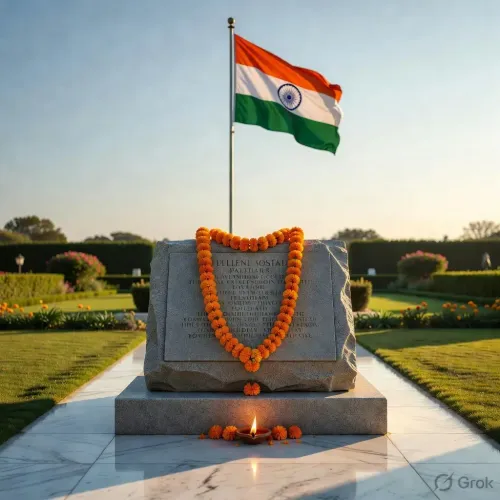
One day before its formal opening, Haryana Chief Minister Nayab Singh Saini paid tribute to the memorial complex rising on Ambala's soil — a site he calls a 'humble salutation' to the fighters who gave their lives for a free India, with Union Home Minister Amit Shah set to inaugurate it on 5 November 2026.
Posting on 4 November, CM Saini described the complex in evocative terms: '1857 mein unke dwara prajwalit swatantrata ki lau aaj bhi hamare hridaya mein deshprem ka bhaav jagati hai' ('The flame of freedom they ignited in 1857 still kindles patriotism in our hearts today'). The statement frames the inauguration not merely as a ribbon-cutting but as a living act of national memory.
Ambala's place in the 1857 rising
Ambala, home to one of British India's largest military cantonments, was among the earliest flashpoints of the 1857 revolt — the first major armed challenge to colonial rule and the event the memorial is built to honour. That documented historical role made the city a natural choice for the complex, grounding the project in verifiable geography rather than symbolic convenience.
The state government has positioned the facility as the largest martyrs' memorial and museum in India dedicated to the 1857 freedom struggle. The complex is designed to bring the stories of those fighters to life for future generations — particularly students and young visitors — through exhibits and heritage programming.
Amit Shah's inauguration and what it signals
Home Minister Amit Shah regularly leads inaugurations of national memorials and security-related infrastructure, lending central governmental weight to state-level heritage projects. His presence at Ambala on 5 November signals that the Centre views this complex as part of a broader national narrative, not simply a Haryana initiative.
BJP governments at both the Centre and in states have made a consistent effort to spotlight pre-Gandhian phases of the independence movement — especially 1857 — through museums and memorials. The 160th anniversary commemorations in 2017 marked an earlier wave of this push; the Ambala complex represents its latest, most ambitious expression.
A legacy built for the next generation
CM Saini's post underlines that the memorial's primary audience is the future. The complex is intended to inspire 'aane wali peedhiyon ko desh-seva ki prerna' — the generations yet to come — by keeping the sacrifice of 1857's fighters vivid and accessible rather than confined to textbooks.
When the doors open tomorrow, Ambala will carry a new designation: the custodian of India's most comprehensive public tribute to the men and women who first said no to empire.
Point of View
The timing is also locally significant: Ambala's cantonment history makes the site credible, not invented, giving the project historical legitimacy that purely symbolic memorials often lack. The broader question is whether such complexes translate into sustained educational programming or remain one-day political moments.
NationPress
4 Nov 2026
Frequently Asked Questions
What is the Ambala Shaheed Smarak?
The Ambala Shaheed Smarak is a memorial and museum complex in Ambala, Haryana, built to honour the martyrs of India's 1857 revolt. The state government has described it as India's largest such facility dedicated to the first war of independence.
When will the Ambala Shaheed Smarak be inaugurated?
The complex is scheduled to be inaugurated on 5 November 2026 by Union Home Minister Amit Shah .
Why was Ambala chosen for this memorial?
Ambala housed one of British India's largest military cantonments and was among the earliest centres of the 1857 uprising, giving the city a historically documented connection to the revolt the memorial honours.
What did CM Nayab Singh Saini say about the memorial?
CM Saini described the complex as a 'humble salutation' to the fighters who sacrificed their lives for a free India, saying the flame of freedom they lit in 1857 still kindles patriotism today. He added that the memorial will inspire future generations toward national service.
How does the Ambala memorial fit into broader government heritage policy?
BJP governments at the Centre and in several states have invested in memorials and museums that highlight the pre-Gandhian phase of India's independence movement, particularly the 1857 revolt, as part of a wider effort to broaden the public narrative around the freedom struggle.