CM Nayab Saini Orders Haryana Heritage Corridor for 1857 Sites
Synopsis
CM Nayab Saini on 22 October 2026 reviewed Haryana's five-year archaeology action plan under Vision-2047, ordering a new Heritage Corridor for 1857 and freedom-struggle sites, with a target to conserve over 120 monuments by 2031.
Key Takeaways
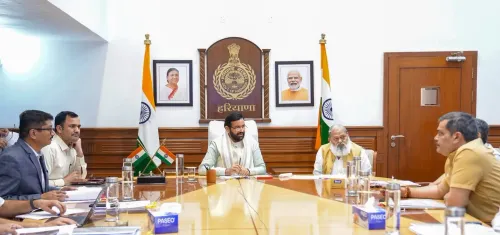
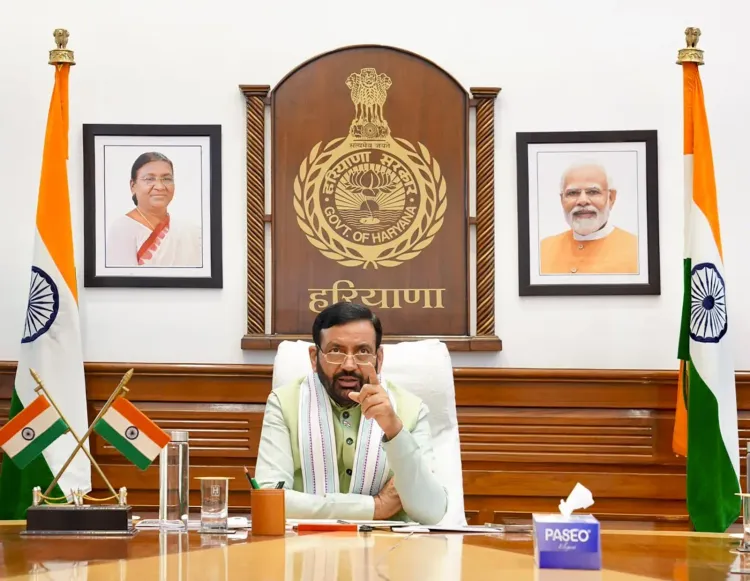
CM Nayab Saini chaired a review of the Archaeology and Museums Department 's five-year plan in Chandigarh on 22 October 2026 .
He directed the creation of a new 'Heritage Corridor' centred on independence-movement and 1857 revolt sites.
Ambala Cantt's Shaheed Smarak and other 1857-linked locations will receive special focus in the corridor.
A target of conserving more than 120 monuments by 2031 was discussed at the meeting.
The plan falls under Haryana Vision-2047 , aligned with the central government's Viksit Bharat framework.
Officials also discussed positioning Haryana as a major tourism destination through heritage promotion.
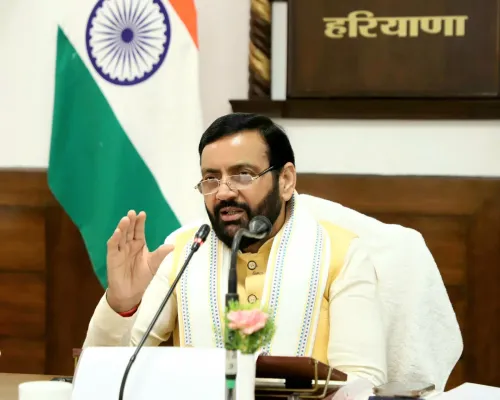
Ten thousand years of history — and Haryana is now making a formal plan to protect it. Chief Minister Nayab Saini on Thursday, 22 October 2026, chaired a review meeting in Chandigarh of the Archaeology and Museums Department's five-year action plan under Haryana Vision-2047, directing officials to develop a dedicated 'Heritage Corridor' (Heritage Corridor) linking sites from the freedom struggle — with the Ambala Cantt Martyrs' Memorial and locations tied to the 1857 revolt at its core.
The 1857 corridor Saini has now put on the map
The Chief Minister's instruction is specific: the new Heritage Corridor will anchor itself to the independence movement, giving pride of place to Ambala Cantonment's Shaheed Smarak and the historic sites connected to India's first war of independence against British rule in 1857. Ambala Cantt holds particular weight here — it was one of the flashpoints of the 1857 revolt, and its memorials have long been underrepresented in mainstream tourism circuits. Saini's directive brings those sites from the margins to the centrepiece of state policy.
120 monuments, one deadline: 2031
The meeting also put a number on ambition. Officials discussed a target to conserve more than 120 monuments by 2031 — a five-year window that will stress-test the department's capacity and budget. The broader frame is Haryana Vision-2047, the state's long-term development blueprint aligned with the central government's Viksit Bharat (Developed India) agenda for the centenary of independence. Conservation, in this plan, is not just preservation — it is positioning Haryana as a major tourism destination.
Where Haryana fits in India's heritage-corridor wave
Haryana is not reinventing the wheel — it is catching up with a national trend and accelerating it. States including Uttar Pradesh and Rajasthan have used similar heritage corridor models to drive domestic tourism and cultural pride. Haryana has previously accessed central funding through schemes such as Swadesh Darshan for site development, and this fresh push under a formal Vision-2047 framework could unlock fresh state-central co-financing. The real test will come when project budgets, timelines, and funding agreements are announced — those details are still ahead.
Point of View
Saini links Haryana's development agenda to a broader national story of civilisational pride. The 120-monument conservation target by 2031 is an operationally testable commitment, rare in cultural policy, which will make future accountability easier to demand. Whether state-central funding alignment under Swadesh Darshan or successor schemes materialises will determine if this stays a vision or becomes a verifiable legacy.
NationPress
22 Oct 2026
Frequently Asked Questions
What is the Haryana Heritage Corridor announced by CM Nayab Saini?
It is a proposed tourism and conservation route linking sites associated with the Indian independence movement and the 1857 revolt, including the Ambala Cantt Shaheed Smarak, directed by CM Nayab Saini on 22 October 2026 under the Haryana Vision-2047 framework.
What is Haryana Vision-2047?
Haryana Vision-2047 is the state government's long-term development blueprint aligned with India's Viksit Bharat 2047 goal of building a developed nation by the centenary of independence.
How many monuments does Haryana plan to conserve by 2031?
The Haryana government discussed a target of conserving more than 120 monuments by 2031 as part of the Archaeology and Museums Department's five-year action plan.
Why is Ambala Cantt significant for the Haryana Heritage Corridor?
Ambala Cantonment was a key flashpoint of the 1857 revolt against British rule and houses the Shaheed Smarak; CM Saini specifically directed that it receive special importance in the new Heritage Corridor.
Which central scheme has Haryana used for heritage site development?
Haryana has previously accessed the central government's Swadesh Darshan scheme for heritage and tourism site development, and the Vision-2047 plan could enable further state-central co-financing.