Jal Jeevan Mission 2.0: Secretary KK Meena pushes Gram Panchayat-led water governance
Synopsis
Union Secretary KK Meena has signalled a decisive shift in India's rural water policy — from counting taps installed to ensuring water actually flows through them. By pressing states to activate Gram Panchayat-led O&M plans and tap 16th Finance Commission grants, the Centre is testing whether local bodies can sustain JJM 2.0's infrastructure promise.
Key Takeaways
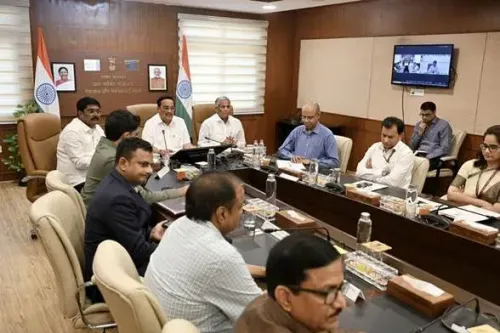
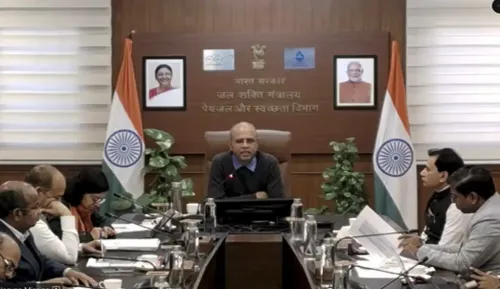
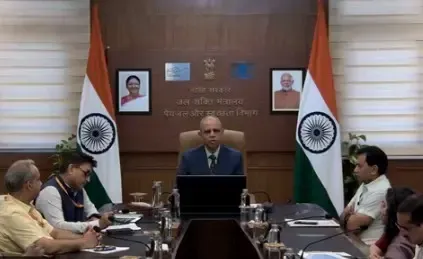
Meena , Secretary, DDWS, Ministry of Jal Shakti , chaired a virtual conference with state and UT officials on 22 October 2026 .
The meeting focused on convergence between Jal Jeevan Mission 2.0 and the 16th Finance Commission for sustainable rural drinking water delivery.
Vipul Ujwal , Director, Ministry of Panchayati Raj, presented on the Gram Panchayat Development Plan and use of Finance Commission grants for O&M.
Three pillars of sustainable financing identified: Finance Commission grants, scheme convergence, and user-charge collection .
Karnataka showcased Jala Sankalana , JalaAasthi , and Jeevajala — GIS-based, real-time water asset management tools.
The 73rd Constitutional Amendment was cited as placing drinking water and sanitation squarely within Gram Panchayat responsibilities.
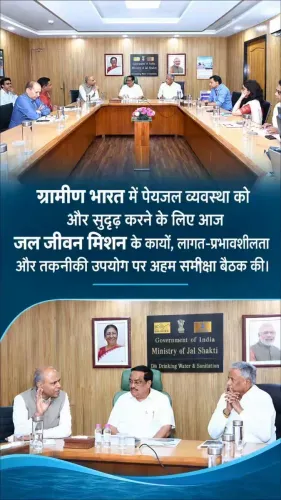
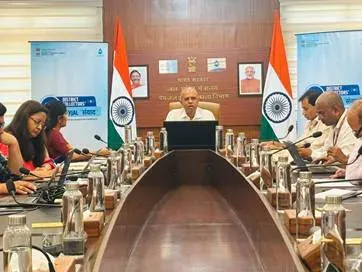
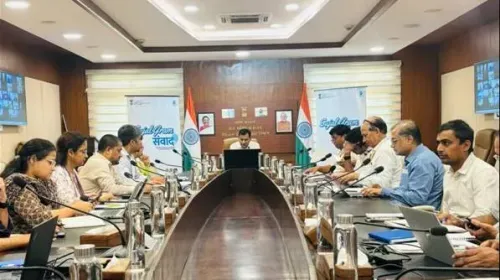
Ashok K.K. Meena, Secretary of the Department of Drinking Water and Sanitation (DDWS) under the Ministry of Jal Shakti, on Thursday, 22 October 2026, convened a virtual conference with officials from states and Union Territories to advance sustainable rural drinking water service delivery. The meeting centred on strengthening convergence between Jal Jeevan Mission (JJM) 2.0 and the 16th Finance Commission framework to embed long-term water security at the grassroots level.
Key Agenda: Beyond Asset Creation
Meena emphasised that the benchmark of success for rural water programmes is not the creation of infrastructure alone, but the assurance that rural households receive reliable, safe drinking water through systems that are well-maintained and financially viable over the long term. He underlined that Gram Panchayats must lead in preparing comprehensive annual operations and maintenance (O&M) plans, mobilising local resources, managing service delivery, and ensuring accountability for water supply infrastructure built under JJM and allied programmes.
Meena also noted that the 73rd Constitutional Amendment explicitly places drinking water and sanitation among the core responsibilities of local self-governments — a mandate he said must translate into actionable Gram Panchayat-level governance.
The RRR Framework and Finance Commission Grants
Vipul Ujwal, Director at the Ministry of Panchayati Raj, presented on the Gram Panchayat Development Plan, covering release modalities and utilisation of Finance Commission grants for rural water supply O&M. He stressed that sustainable service delivery hinges on integrating three critical elements — Requirements, Resources and Responsibilities (RRR).
Meena highlighted that tied grants under the 16th Finance Commission offer a significant opportunity to reinforce the sustainability of drinking water and sanitation services at the village level. He identified three pillars of sustainable financing: effective utilisation of Finance Commission grants, convergence with other government programmes and schemes, and the progressive strengthening of user-charge collection mechanisms.
Institutional Coordination Called For
The Secretary called for strengthened coordination among Rural Water Supply Departments, Panchayati Raj Institutions, and Rural Development Departments at the state, district, and Gram Panchayat levels. He noted that the simultaneous rollout of JJM 2.0, VB-G RAM G, and the 16th Finance Commission cycle offers a rare, time-bound window to institutionalise sustainable water governance through integrated planning and coordinated implementation.
Karnataka's Innovations Draw Attention
During a state experience-sharing session, Karnataka presented its integrated approach to rural water supply management, showcasing innovations including Jala Sankalana, JalaAasthi, and Jeevajala. These tools combine GIS-based asset management, real-time monitoring, community participation, and evidence-based O&M planning — a model that officials indicated could offer a replicable template for other states.
What Comes Next
The conference signals a policy push toward institutionalising water governance at the Gram Panchayat level rather than treating rural water supply as a one-time capital expenditure. With the 16th Finance Commission cycle and JJM 2.0 running concurrently, the Centre is pressing states to move from project delivery to service delivery — a shift that will test the administrative capacity of local bodies across India.
Point of View
In many states, still lack trained personnel and reliable accounting systems. Karnataka's GIS-driven model is promising, but scaling it nationally requires state-level commitment that has historically been uneven. The real accountability gap is not at the Gram Panchayat level; it is in whether states will enforce user-charge frameworks in the face of political resistance.
NationPress
22 Oct 2026
Frequently Asked Questions
What is Jal Jeevan Mission 2.0?
Jal Jeevan Mission 2.0 is the Centre's programme to ensure sustainable, safe piped drinking water supply to all rural households in India, building on the original JJM's infrastructure creation goals by shifting focus to long-term service delivery and source sustainability. It runs concurrently with the 16th Finance Commission cycle to align financial resources with water supply governance at the Gram Panchayat level.
What did Secretary KK Meena discuss at the 22 October conference?
Ashok K.K. Meena chaired a virtual conference on 22 October 2026 with state and Union Territory officials to discuss strengthening Gram Panchayat-led planning, O&M financing, and convergence between JJM 2.0 and the 16th Finance Commission for sustainable rural drinking water delivery. He stressed that success must be measured by whether rural households continue to receive reliable water, not merely by infrastructure built.
How do Finance Commission grants support rural water supply?
The 16th Finance Commission provides tied grants that states and Gram Panchayats can direct toward operations and maintenance of rural water supply systems. The Centre has identified these grants as one of three key pillars of sustainable financing, alongside scheme convergence and progressive user-charge collection.
What is Karnataka's approach to rural water management?
Karnataka presented three integrated tools — Jala Sankalana, JalaAasthi, and Jeevajala — that together provide GIS-based asset management, real-time system monitoring, community participation frameworks, and evidence-based O&M planning for rural water supply. The model was highlighted at the conference as a potential template for other states.
What is the RRR framework for water service delivery?
The RRR framework — Requirements, Resources, and Responsibilities — was presented by Vipul Ujwal of the Ministry of Panchayati Raj as the three critical elements that must be integrated for sustainable rural drinking water service delivery. It underpins the Gram Panchayat Development Plan approach to O&M planning.