What is the Community's Role in Rural Water Delivery at District Collectors’ ‘Peyjal Samvad’?
Synopsis
The 'Peyjal Samvad' highlighted the shift towards community-managed rural water services, with key insights from Ashok K. K. Meena on enhancing local governance. This transition is crucial for ensuring sustainable water delivery to rural households, reflecting a significant evolution in the management of water resources.
Key Takeaways
Community Ownership: Central to effective water service delivery.
Empowerment of Local Governance: Essential for sustainable management.
Innovative Strategies: New approaches using technology for transparency.
Role of Women: Leadership is crucial in the water sector.
Collaboration: Strengthening partnerships between government and communities.
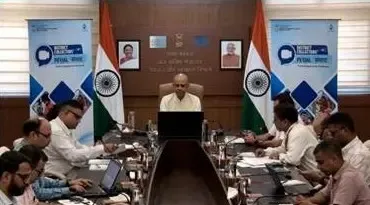
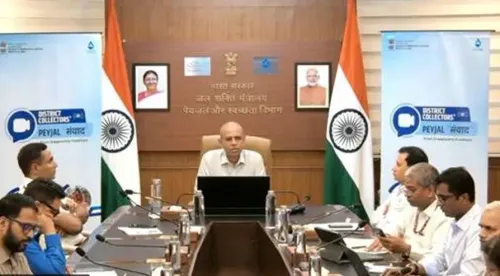
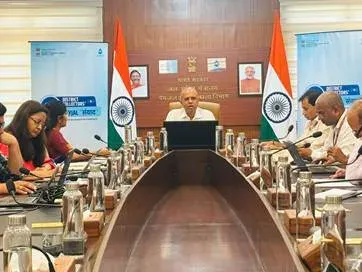
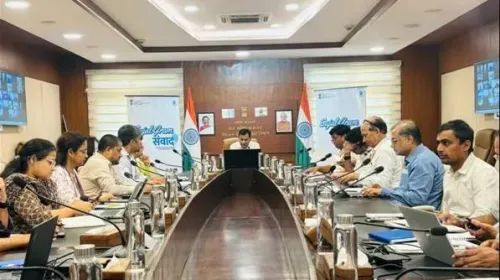
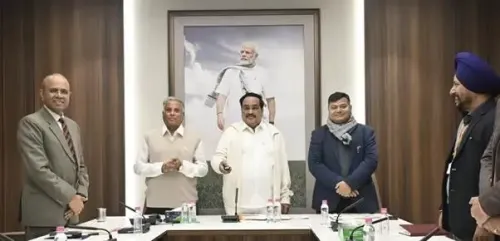
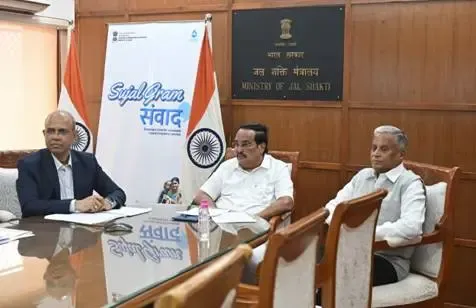
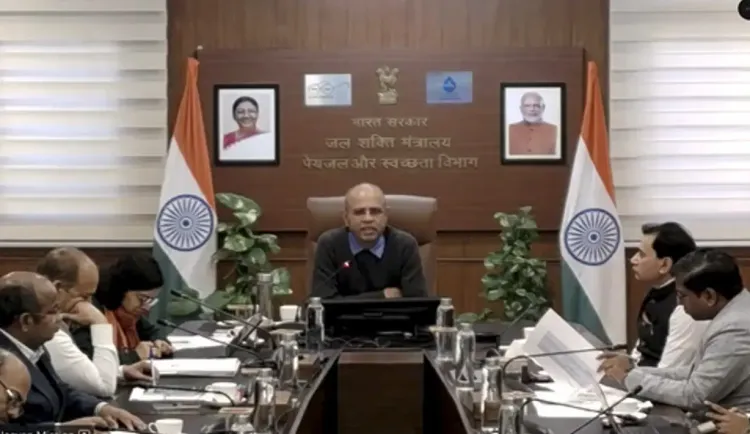
New Delhi, Feb 17 (NationPress) Har Ghar Jal under the Jal Jeevan Mission (JJM) is now entering a vital stage of transitioning towards community-owned and managed water service delivery in rural areas, stated Ashok K. K. Meena, Secretary of the Department of Drinking Water and Sanitation (DDWS), Ministry of Jal Shakti, on Tuesday.
During the 6th edition of the District Collectors’ 'Peyjal Samvad', Meena emphasized that community ownership and management of water services are essential for enhancing both the long-term functionality and quality of these services.
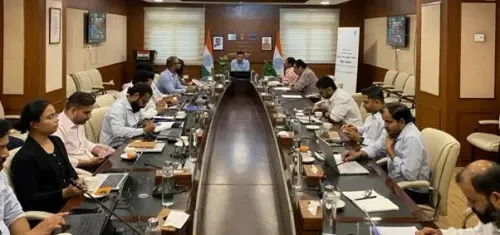
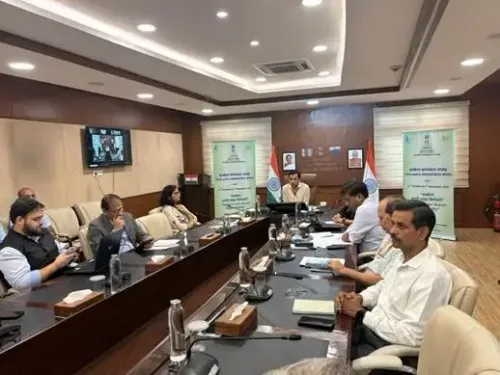
The gathering assembled senior officials, district administrators, and sector experts to discuss ways to improve the implementation of Har Ghar Jal under the Jal Jeevan Mission (JJM).
Highlighting the critical function of District Collectors, Meena stressed the necessity for a systematic handover of schemes to Gram Panchayats, aligning with constitutional mandates, while ensuring that communities take full charge of operations and maintenance.
Pointing to successful models in various States, including round-the-clock systems effectively operated by Gram Panchayats and strong leadership from women Sarpanches, he remarked that these examples showcase the increasing strength of local governance in the water sector.
He mentioned that the upcoming expansion of the Jal Jeevan Mission will focus on saturating single-village schemes, enhancing solar-based infrastructure, thorough asset mapping via PM Gati Shakti, developing a unified scheme database, and ensuring financial reconciliation to boost transparency.
Meena called upon all districts to hasten the handover of schemes, fortify community-led initiatives under Rajya Jal Utsav and Lok Jal Utsav, and intensify efforts to guarantee sustainable service delivery, reaffirming the goal of providing safe and adequate drinking water for every rural household.
Ankita Chakraborty, Deputy Secretary of the National Jal Jeevan Mission, congratulated the districts whose initiatives were selected for presentation, noting their contributions to a growing national repository of best practices in rural water service delivery.
She emphasized that the Samvad serves as a platform for peer learning and innovative idea exchange, underscoring that districts are pivotal in translating policies into outcomes, while community-led approaches shape sustainable systems.
Reflecting on the day's focus on Jal Utsav-Jal Mahotsav, she reiterated the transition towards community-managed rural water services and the essential role of district leadership in ensuring quality, convergence, and citizen engagement.
Point of View
It's evident that the transition to community-managed water services is not just a policy shift but a necessary evolution for sustainable development. By empowering local governance, we can pave the way for effective and accountable water delivery systems in rural areas, aligning with national goals.
NationPress
8 Oct 2026
Frequently Asked Questions
What is the Jal Jeevan Mission?
The Jal Jeevan Mission (JJM) is a government initiative aimed at providing safe and adequate drinking water through individual household tap connections in rural areas.
Why is community ownership important in water services?
Community ownership is vital as it ensures local involvement, accountability, and maintenance, leading to more sustainable and effective water service delivery.
What role do Gram Panchayats play in this mission?
Gram Panchayats are responsible for managing and maintaining water services at the village level, ensuring that local needs are met and that the services are sustainable.
How does the Jal Jeevan Mission impact rural households?
The mission aims to provide every rural household with access to safe drinking water, significantly improving health, sanitation, and overall quality of life.
What are the key strategies discussed at the Peyjal Samvad?
Strategies include enhancing community-led initiatives, systematic scheme handovers, and leveraging technology for asset mapping and transparency.