Jal Jeevan Mission 2.0: 10th Peyjal Samvad pushes rural water delivery shift
Synopsis
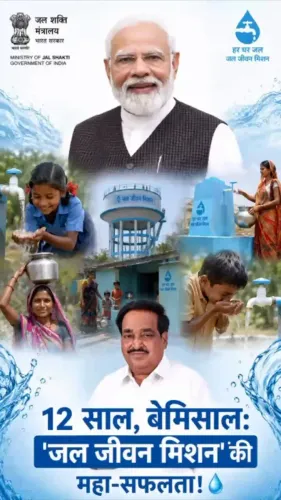
India's Jal Jeevan Mission has quietly crossed a threshold — the infrastructure phase is over, and the harder work of sustaining it has begun. The 10th Peyjal Samvad made clear that JJM 2.0's success will be measured not by taps installed but by whether water actually flows reliably, with communities in charge and technology keeping score.
Key Takeaways
The Jal Shakti Ministry held the 10th Peyjal Samvad on 14 July , focused on accelerating JJM 2.0 implementation.
JJM 2.0 has shifted focus from infrastructure creation to sustainable, community-led rural piped water service delivery.
Secretary Ashok K.K.
Meena urged faster certification of Har Ghar Jal Gram Panchayats and annual Jal Arpan events.
Mission Director Kamal Kishore Soan identified four pillars: sustained service delivery, source sustainability, community participation, and technology-driven monitoring.
Five districts — Kinnaur , Haveri , Dumka , South Goa , and Unakoti — presented best practices for cross-learning.
16th Finance Commission Grants for WaSH were highlighted as a key funding mechanism for rural water sustainability.
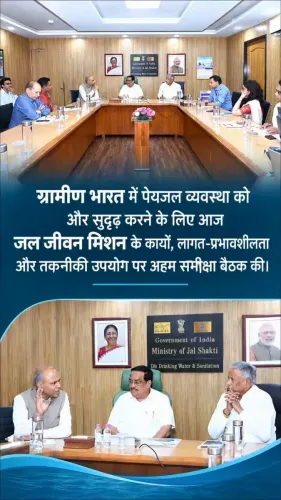
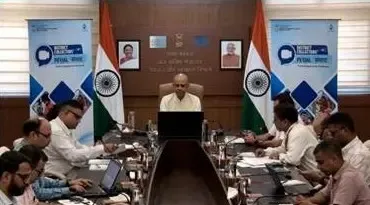
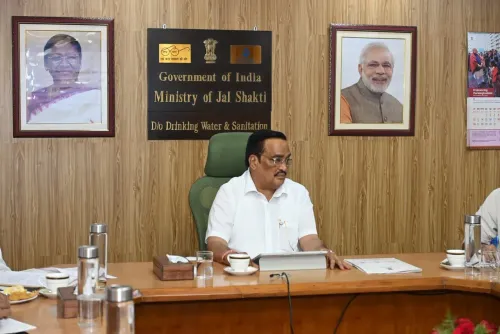
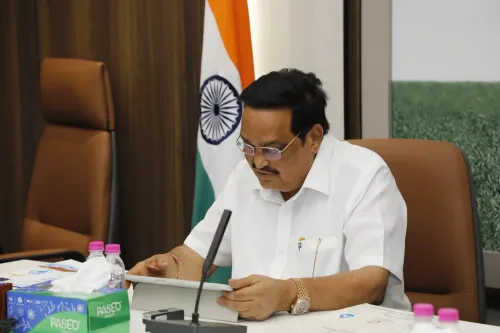
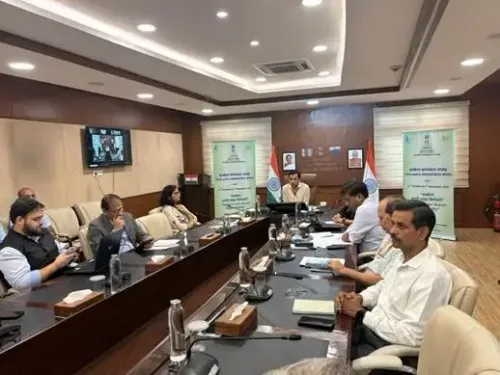
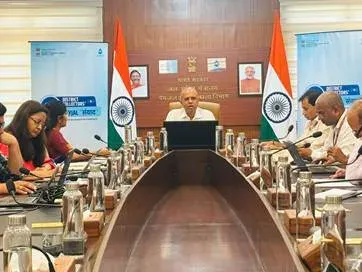
The Jal Shakti Ministry on Tuesday, 14 July convened the 10th edition of the District Collectors' Peyjal Samvad in New Delhi, with accelerating the implementation of Jal Jeevan Mission (JJM) 2.0 topping the agenda. The session, held via video conferencing, brought together senior officials, District Collectors, Deputy Commissioners, and Mission Directors from across states and Union Territories to share district-level best practices on sustainable rural water service delivery.
Mission Enters a New Phase
Ashok K.K. Meena, Secretary of the Department of Drinking Water and Sanitation (DDWS), led the deliberations. He underscored that JJM 2.0 has moved beyond its initial infrastructure-creation mandate and is now focused on assured, sustainable piped water service delivery in rural areas through community-led governance — referred to as Jan Bhagidari.
Meena called upon states and districts to accelerate the certification of Har Ghar Jal (HGJ) Gram Panchayats and urged the institutionalisation of Jal Arpan as an annual community-led event in every Gram Panchayat to reinforce local ownership of rural water supply systems.
Key Priorities Outlined by Mission Director
Kamal Kishore Soan, Additional Secretary and Mission Director of the National Jal Jeevan Mission (NJJM), stressed the critical role of district administrations in converting JJM 2.0 objectives into measurable on-ground outcomes. He identified four defining pillars for the Mission going forward: sustained service delivery, source sustainability, community participation, and technology-driven monitoring.
Soan urged District Collectors to strengthen inter-departmental convergence, conduct regular implementation reviews, promote innovation, and ensure proper mapping of HGJ assets to guarantee long-term functionality of rural drinking water systems.
Finance Commission Grants and WaSH Focus
A dedicated presentation during the Peyjal Samvad highlighted the important role of 16th Finance Commission Grants for Water, Sanitation and Hygiene (WaSH) in bolstering the sustainability of rural drinking water and sanitation services. Officials noted that these grants are expected to serve as a critical funding lever for districts working to meet JJM 2.0 targets.
Five Districts Share Best Practices
District Collectors and District Magistrates from five selected districts presented their progress and innovations to facilitate cross-learning across the country. The showcasing districts were Kinnaur (Himachal Pradesh), Haveri (Karnataka), Dumka (Jharkhand), South Goa (Goa), and Unakoti (Tripura). Their experiences are intended to support other districts in strengthening implementation under the Mission's revised framework.
This is the 10th such Peyjal Samvad since the series was launched, reflecting the Centre's sustained emphasis on peer learning as a tool for accelerating rural water coverage. With community ownership and technology monitoring now central to the Mission's design, the coming months will test whether district-level execution can match the ambition of JJM 2.0's revised mandate.
Point of View
Source sustainability, and community ownership are far harder to verify. The emphasis on technology-driven monitoring and HGJ asset mapping signals awareness of this gap, but without independent third-party audits of functional household taps, the 10th Peyjal Samvad risks being another well-intentioned review meeting. The inclusion of 16th Finance Commission WaSH grants is a structural positive, yet district absorption capacity — not funding — has been the binding constraint in states like Jharkhand and Tripura.
NationPress
14 Oct 2026
Frequently Asked Questions
What is the Peyjal Samvad and why was the 10th edition held?
The Peyjal Samvad is a periodic forum convened by the Jal Shakti Ministry where District Collectors, Deputy Commissioners, and Mission Directors share best practices on rural drinking water delivery. The 10th edition, held on 14 July via video conferencing, focused on accelerating implementation of Jal Jeevan Mission 2.0 and the shift from infrastructure creation to sustainable community-led service delivery.
What is Jal Jeevan Mission 2.0 and how does it differ from the original mission?
Jal Jeevan Mission 2.0 is the revised phase of the Centre's flagship rural drinking water programme. Unlike the first phase, which prioritised building piped water infrastructure and household connections, JJM 2.0 focuses on assured, long-term service delivery, source sustainability, and community-led governance through Jan Bhagidari.
Which districts presented best practices at the 10th Peyjal Samvad?
Five districts shared their progress and innovations: Kinnaur in Himachal Pradesh, Haveri in Karnataka, Dumka in Jharkhand, South Goa in Goa, and Unakoti in Tripura. Their presentations are intended to enable cross-learning and help other districts strengthen JJM 2.0 implementation.
What is Jal Arpan and what role does it play under JJM 2.0?
Jal Arpan is a community-led annual event to be held in every Gram Panchayat to celebrate and reinforce local ownership of rural water supply systems. Secretary Ashok K.K. Meena urged districts to institutionalise it as a regular feature under JJM 2.0's community governance framework.
How will the 16th Finance Commission Grants support rural water delivery?
The 16th Finance Commission Grants earmarked for Water, Sanitation and Hygiene (WaSH) are intended to strengthen the financial sustainability of rural drinking water and sanitation services at the district level. Officials at the Peyjal Samvad highlighted these grants as a critical funding lever for districts working to meet JJM 2.0 targets.