Trump Welcomes Iraqi PM Al-Zaidi to the White House
Synopsis
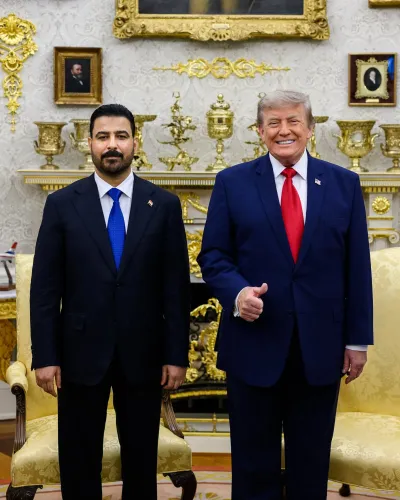
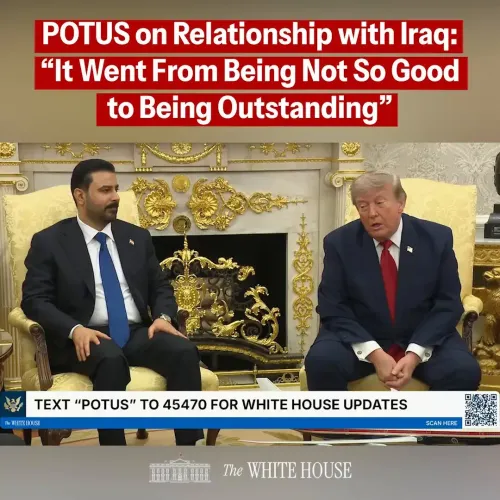
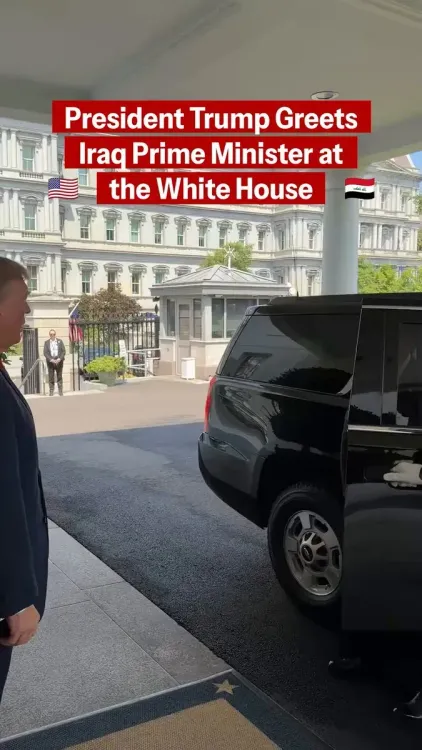
President Donald J. Trump welcomed Iraqi Prime Minister Ali al-Zaidi to the White House on 14 July 2026, in a high-stakes bilateral meeting centred on US-Iraq security ties, countering Iranian influence, and the future of the American military presence in Iraq.
Key Takeaways
Trump hosted Iraqi Prime Minister Ali al-Zaidi at the White House on 14 July 2026 .
The visit was confirmed by the White House official communications account on X .
The 2008 US-Iraq Strategic Framework Agreement remains the legal foundation for ongoing security and economic cooperation between the two nations.
A January 2020 US strike killing Iranian General Qasem Soleimani in Baghdad marked a previous peak in bilateral tensions under Trump .
Key issues on the agenda include countering Iranian-backed militia activity, the US military training presence in Iraq , and energy cooperation.
Analysts are watching for a joint readout on security assistance and any follow-on diplomatic or military engagements.
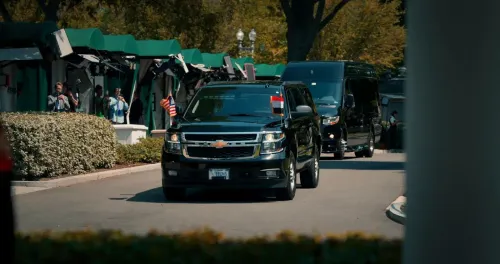
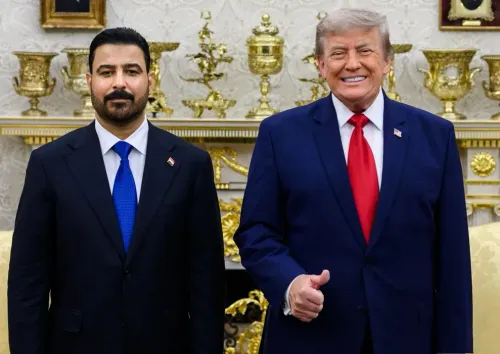
The White House announced on Tuesday, 14 July 2026, that President Donald J. Trump welcomed Iraqi Prime Minister Ali al-Zaidi for a bilateral meeting at the White House in Washington DC, marking a significant diplomatic engagement between the two nations.
Context
The meeting comes as US-Iraq relations continue to navigate a complex web of security cooperation, counterterrorism coordination, and the persistent challenge of Iranian influence in the region. The White House confirmed the visit through its official communications channel, describing it as a formal welcome of the Iraqi premier to the executive residence.
Iraq remains a critical partner for Washington in the Middle East, with ties rooted in decades of military engagement, reconstruction assistance, and shared interest in containing extremist groups. The two governments have maintained formal diplomatic and security ties under the 2008 US-Iraq Strategic Framework Agreement, which has served as the legal backbone for continuing cooperation across successive administrations.
Policy Backdrop
The bilateral relationship has been shaped by several defining moments, including the January 2020 US strike that killed Iranian General Qasem Soleimani at Baghdad International Airport — a decision that brought US-Iraq tensions to a sharp peak and prompted the Iraqi parliament to pass a non-binding resolution calling for the withdrawal of foreign troops.
Despite that turbulence, security cooperation between the two countries has continued, with a residual US military training presence maintained in Iraq. Periodic parliamentary pressure within Baghdad to reduce the American footprint has not resulted in a formal termination of the security partnership. Counter-ISIS infrastructure and intelligence-sharing arrangements remain active pillars of the relationship.
Under Trump's broader 'America First' foreign policy framework, Middle East engagements have tended to prioritise direct security outcomes, energy access, and the containment of Iranian power projection over multilateral diplomatic frameworks.
Stakeholders and Impact
Iraqi officials and the US security community are the primary stakeholders watching this visit closely. Any joint readout detailing security assistance levels, agreements on Iranian-backed militia activity, or revised terms for the US military presence would carry significant weight for both governments.
For Baghdad, the meeting represents an opportunity to manage the delicate balance between its two most powerful external partners — Washington and Tehran — while seeking economic investment and continued counterterrorism support. Iraq holds some of the world's largest proven oil reserves, making it a strategic energy partner for the United States as well.
Regional observers, particularly in Gulf states and Israel, will parse any statements emerging from the meeting for signals about the Trump administration's posture toward Iran and its proxies operating on Iraqi soil.
What's Next
Analysts will watch for a formal joint statement or White House readout detailing specific outcomes of the bilateral talks, including any commitments on security assistance, economic cooperation, or diplomatic coordination on Iran. Follow-on diplomatic or military visits in the subsequent quarter would indicate the depth of renewed engagement.
The visit continues a decades-long pattern of US engagement with Baghdad aimed at preserving American strategic interests in the region while helping Iraq consolidate its sovereignty against external pressures — a balancing act that will define the relationship well into the coming years.
Point of View
Washington continues to view Baghdad as an indispensable partner in its broader strategy to contain Iranian influence across the Middle East. For the Trump administration, such bilateral engagements carry a dual purpose: reinforcing security architecture built over two decades while projecting decisive executive leadership on foreign policy. For Iraq, the visit is a careful diplomatic manoeuvre — maintaining the American security umbrella without alienating Tehran, a neighbour with deep economic and political ties to Baghdad. The outcome of this summit could set the tone for US-Iraq relations through the remainder of Trump's term, particularly on the critical question of Iranian proxy forces operating on Iraqi soil.
NationPress
13 Oct 2026
Frequently Asked Questions
Why did Iraqi Prime Minister Ali al-Zaidi visit the White House?
Iraqi Prime Minister Ali al-Zaidi visited the White House on 14 July 2026 for a bilateral meeting with President Trump, focused on US-Iraq security cooperation, countering Iranian influence, and the future of the American military presence in Iraq.
What is the US-Iraq Strategic Framework Agreement?
The US-Iraq Strategic Framework Agreement, signed in 2008, is the legal foundation governing security assistance, economic ties, and diplomatic cooperation between the United States and Iraq across multiple administrations.
What happened between the US and Iraq in January 2020?
In January 2020, the US carried out a strike at Baghdad International Airport that killed Iranian General Qasem Soleimani, sharply escalating tensions between Washington and Baghdad and prompting the Iraqi parliament to pass a non-binding resolution calling for the withdrawal of US troops.
Does the US still have troops in Iraq?
Yes, a residual US military training presence remains in Iraq under the Strategic Framework Agreement, focused on counterterrorism and capacity-building, despite periodic calls from the Iraqi parliament to reduce the American footprint.
What should India watch from the Trump-Iraq summit?
India, which imports Iraqi crude oil and has strategic interests in Middle East stability, should watch for any statements on Iranian-backed groups and energy cooperation that could affect regional oil supply and security dynamics.