Trump Meets UAE's Sheikh Mohamed, Cites Iran Deal and Strong Ties
Synopsis
US President Donald Trump met UAE President Sheikh Mohamed bin Zayed Al Nahyan on 17 June 2026, praising him as 'a warrior' and stating that the two nations had jointly concluded a deal with Iran, underscoring the depth of the US-UAE strategic partnership.
Key Takeaways
President Trump met UAE President Sheikh Mohamed bin Zayed Al Nahyan on 17 June 2026 in a high-level bilateral summit.
Trump described Sheikh Mohamed as 'a warrior' and called the US-UAE relationship 'outstanding.' Trump stated that the US had 'just signed a deal with Iran,' crediting the UAE as 'a very powerful ally' in that effort.
The UAE has been a cornerstone US partner in the Gulf since the Abraham Accords of 2020 , which it signed under Trump-era facilitation.
The meeting has significant implications for India , given its deep trade, energy, and diaspora ties with both the UAE and Iran .
Details of the cited Iran deal have not been officially elaborated upon by the White House beyond the presidential remarks.
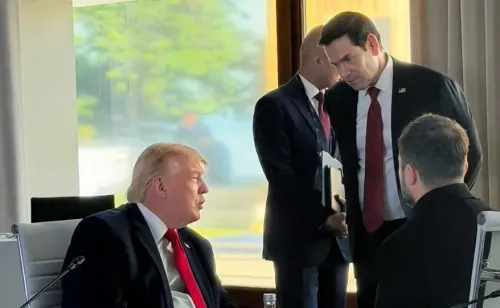
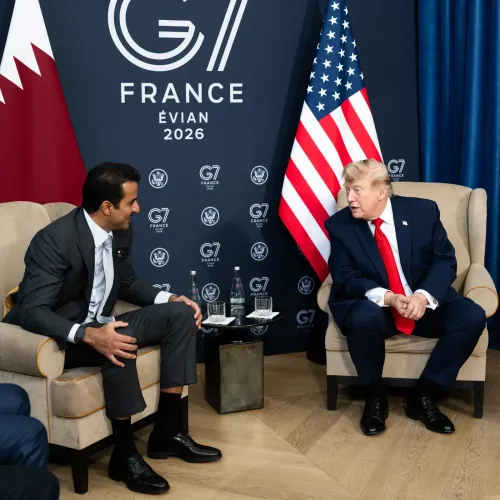
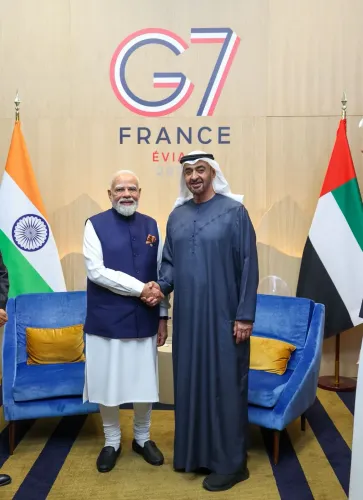
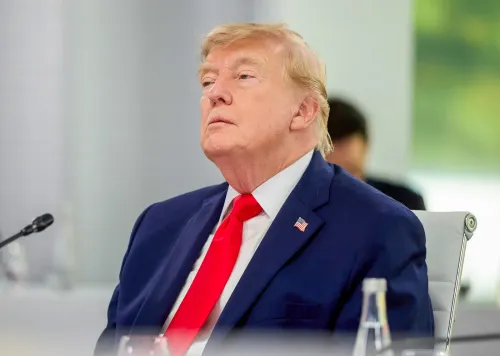
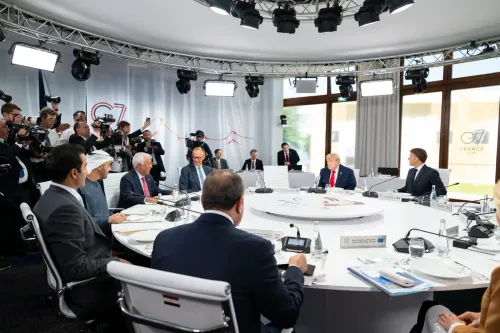
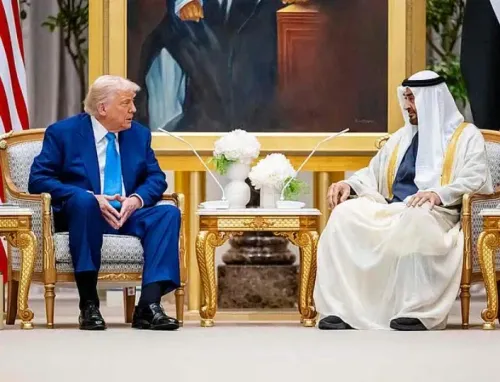
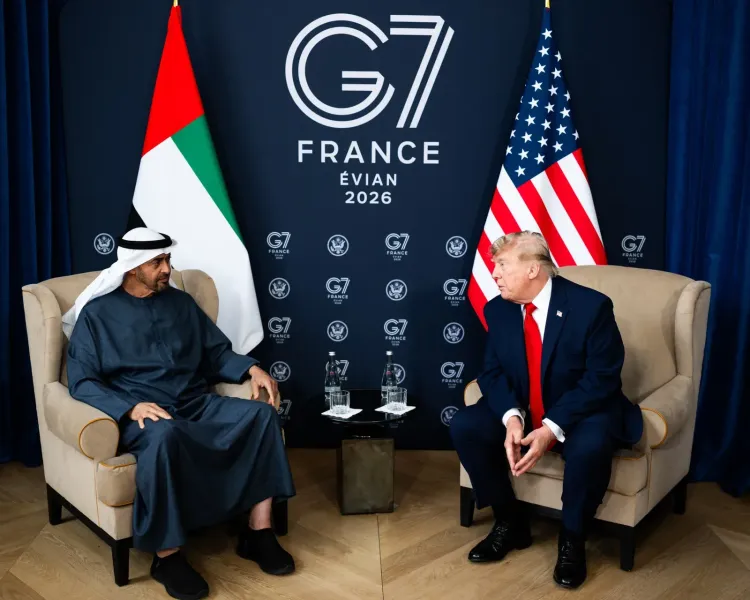
US President Donald J. Trump met with UAE President Sheikh Mohamed bin Zayed Al Nahyan on Tuesday, 17 June 2026, with the White House describing the encounter as a reaffirmation of the enduring partnership between Washington and Abu Dhabi. Trump praised the UAE leader as 'a warrior' and said the two nations had recently concluded a deal with Iran, calling the Gulf state 'a very powerful ally' in that effort.
Context
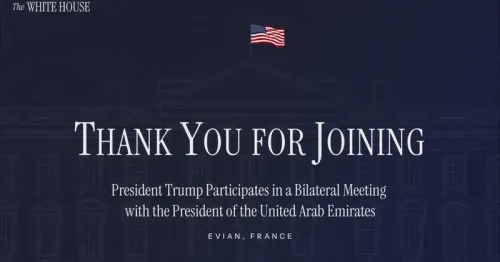
Speaking at the bilateral meeting, Trump said, 'I just want to say His Highness is a warrior... The relationship has been outstanding... and it's an honor to be with you. We just signed a deal with Iran, and this country was a very powerful ally.' The White House shared the remarks alongside an image of the two leaders, signalling the meeting's significance at the highest diplomatic level.
The reference to an Iran-related agreement places the meeting within the broader arc of US Gulf policy, where UAE has historically served as a key interlocutor and security partner. The White House did not provide further details on the scope or terms of the cited Iran deal in the post.
Policy Backdrop
US-UAE relations have been anchored in shared concerns over Iranian influence in the Gulf region since the 1990s. During Trump's first term (2017–2021), the administration withdrew the United States from the Joint Comprehensive Plan of Action (JCPOA) in 2018 and pursued a maximum-pressure sanctions campaign against Tehran.
That period also produced the landmark Abraham Accords of 2020, in which the UAE formalised diplomatic ties with Israel under US facilitation — a deal widely regarded as a cornerstone of Trump-era Middle East diplomacy. The accords deepened the strategic alignment between Washington, Abu Dhabi, and Tel Aviv, reshaping Gulf security architecture.
Sheikh Mohamed bin Zayed Al Nahyan became UAE President in 2022 following the death of his brother, Sheikh Khalifa. He has maintained and expanded the country's security and economic engagement with the United States, including cooperation on counterterrorism, arms procurement, and regional stability initiatives.
Stakeholders and Impact
The meeting carries weight for Gulf allies watching the trajectory of US-Iran relations. Any agreement involving Iran — even one brokered with UAE facilitation — would have direct implications for regional security, energy markets, and the broader architecture of Gulf diplomacy.
For India, which maintains significant trade and energy ties with both the UAE and Iran, the diplomatic signals from this meeting are consequential. Indian nationals form the largest expatriate community in the UAE, and shifts in Gulf security dynamics affect remittance flows, energy pricing, and bilateral trade worth over $85 billion annually.
Arms sales, counterterrorism cooperation, and economic agreements have historically featured in high-level US-UAE summits, and the current meeting is expected to follow that pattern, even as the Iran dimension adds a new layer of complexity.
What's Next
Follow-on statements from both governments are expected to clarify the nature and scope of the Iran-related agreement referenced by Trump. Observers will watch for any joint communiqué or press briefing that elaborates on the bilateral defence or trade dimensions of the meeting.
Upcoming multilateral Gulf security forums and any formal announcements from Tehran will be critical in assessing the durability and implications of the cited deal. The diplomatic momentum from this summit is likely to shape US engagement with the broader Gulf Cooperation Council in the months ahead.
Point of View
A pattern consistent with his first-term playbook of personalising foreign policy through high-profile bilateral optics. The invocation of an Iran deal — without elaboration — serves a dual purpose: rewarding a Gulf partner publicly while keeping Tehran and regional adversaries uncertain about the agreement's scope. For the broader Middle East, this meeting reinforces the UAE's centrality as a bridge-builder between Washington and difficult regional actors. The diplomatic choreography also reflects how Trump's second-term foreign policy continues to lean on personal relationships with Gulf monarchs as a primary instrument of regional influence.
NationPress
20 Sept 2026
Frequently Asked Questions
What did Trump say about the UAE at the June 2026 meeting?
Trump called UAE President Sheikh Mohamed bin Zayed Al Nahyan 'a warrior,' described the bilateral relationship as 'outstanding,' and said the UAE was 'a very powerful ally' in a recently signed deal with Iran.
What is the Iran deal Trump mentioned in the UAE meeting?
Trump stated that the US had 'just signed a deal with Iran' and credited the UAE as a key ally in that process, but the White House did not provide further details on the deal's scope or terms in the post.
What are US-UAE relations based on?
US-UAE relations are grounded in shared security concerns over Iranian influence, counterterrorism cooperation, arms sales, and economic ties. The 2020 Abraham Accords, brokered by the Trump administration, further deepened the strategic alignment.
How does the Trump-UAE summit affect India?
India has extensive trade, energy, and diaspora links with both the UAE and Iran. Any shift in Gulf security dynamics — including an Iran-related agreement — can affect Indian energy prices, remittance flows, and bilateral trade with the UAE, which exceeds $85 billion annually.
Who is Sheikh Mohamed bin Zayed Al Nahyan?
Sheikh Mohamed bin Zayed Al Nahyan is the President of the United Arab Emirates, a position he assumed in 2022. He is a close US security partner and was a signatory to the 2020 Abraham Accords that normalised UAE-Israel relations.