Trump Meets Qatar Emir, Cites Iran Deal Progress
Synopsis
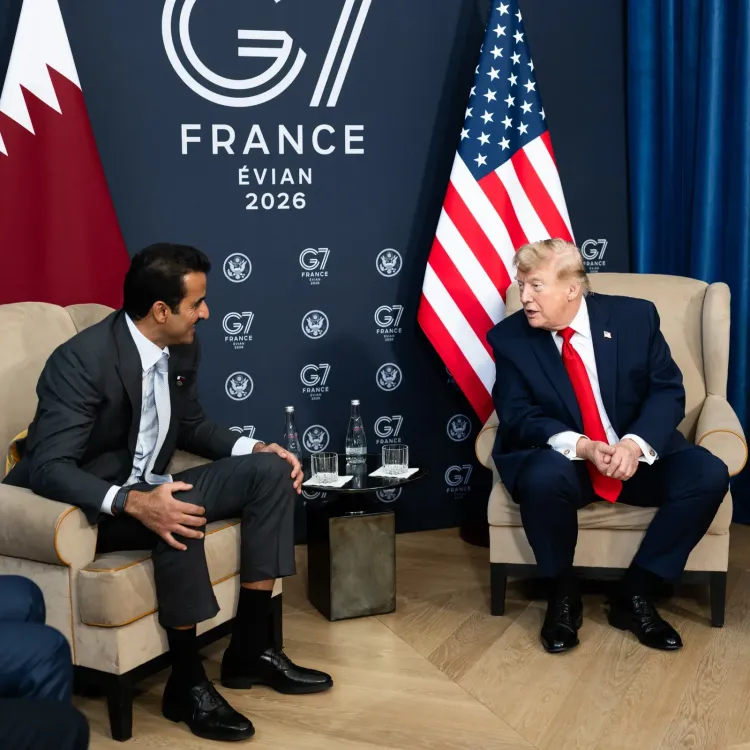
President Donald Trump met Qatari Emir Sheikh Tamim bin Hamad Al Thani on 16 June 2026, describing a strong bilateral relationship and asserting that a deal with Iran has been concluded. The meeting underscores Qatar's pivotal role as a US security partner hosting the largest American military base in the Middle East.
Key Takeaways
President Trump met Qatari Emir Sheikh Tamim bin Hamad Al Thani on 16 June 2026 in a bilateral meeting announced by the White House.
Trump stated 'We have our deal done with Iran, and it should be successful,' signalling a significant development in US-Iran diplomacy.
Qatar hosts the Al Udeid Air Base , the largest US military facility in the Middle East , making it a cornerstone of American regional strategy.
The United States had withdrawn from the JCPOA Iran nuclear deal in 2018 during Trump's first term, imposing maximum-pressure sanctions.
Qatar has historically served as a back-channel mediator in regional disputes, adding diplomatic value beyond its military hosting role.
Follow-up statements from Washington and Doha are expected to clarify the nature and scope of the cited Iran arrangement.
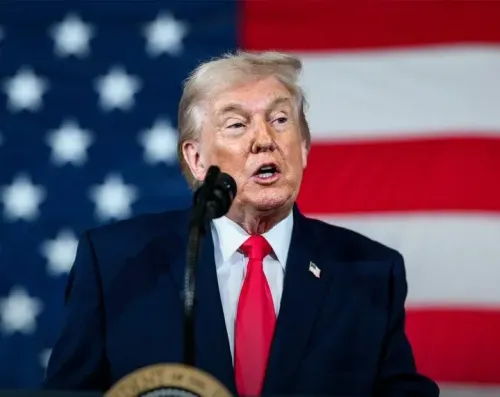
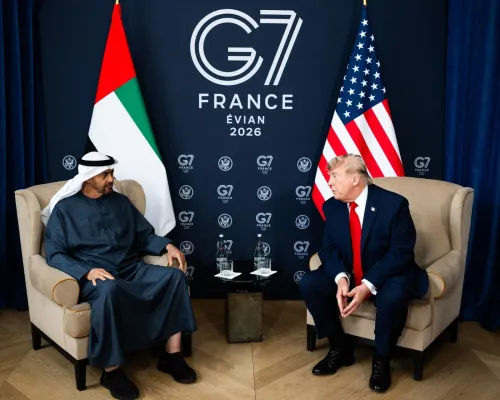
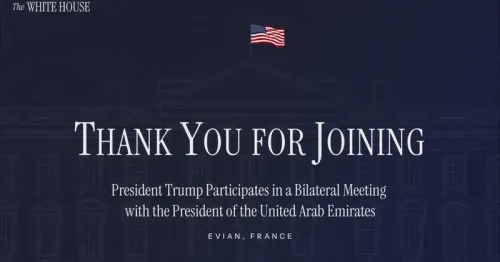
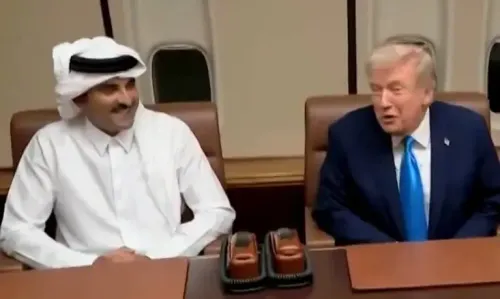
President Donald J. Trump met with Qatari Emir Sheikh Tamim bin Hamad Al Thani on Tuesday, 16 June 2026, with the White House announcing the bilateral meeting and sharing a direct quote from the US President underscoring both the strength of the relationship and progress on an arrangement with Iran.
Context
The White House posted that Trump described the US-Qatar relationship in emphatic terms, stating: 'We have a great relationship... We work very well together. We have our deal done with Iran, and it should be successful.' The meeting marks a significant diplomatic moment, bringing together the leaders of two long-standing security partners in the Gulf region.
Qatar hosts the Al Udeid Air Base, the largest American military installation in the Middle East, making it one of Washington's most strategically vital partners in the region. Emir Sheikh Tamim bin Hamad Al Thani has led the Gulf state since 2013, steering its foreign policy through periods of both regional isolation and active international mediation.
Policy Backdrop
The reference to a 'deal done with Iran' carries substantial weight given the history of US-Iran nuclear diplomacy. The United States withdrew from the Joint Comprehensive Plan of Action (JCPOA) — the multilateral Iran nuclear agreement — in 2018 under Trump's first term, subsequently reimposing sweeping sanctions under a maximum-pressure policy.
Qatar has historically played a quiet but consequential role as a back-channel mediator between Western powers and regional actors, including in matters involving Iran. Meetings between US presidents and Gulf emirs have frequently preceded or accompanied major announcements on security cooperation, sanctions policy, or energy arrangements.
Stakeholders and Impact
The meeting holds implications for several overlapping constituencies. US military planners rely on Al Udeid for operations across the broader Middle East theatre, giving Doha enduring strategic leverage. Gulf diplomats and neighbouring states will be watching closely for any signals about the contours of the cited Iran arrangement and what it means for regional security architecture.
For energy markets, Qatar's role as a leading global exporter of liquefied natural gas (LNG) adds an economic dimension to any deepening of US-Qatar ties. A strengthened bilateral relationship could reinforce supply agreements relevant to both American allies in Europe and markets across Asia.
What's Next
Analysts and diplomats will be looking for follow-up statements from either Washington or Doha that elaborate on the nature of the cited Iran arrangement — whether it constitutes a formal agreement, a framework, or a diplomatic understanding. The language used by Trump — 'it should be successful' — suggests the arrangement is in an implementation or early-outcome phase rather than merely a proposal.
Any expanded US-Qatar defense pact or investment agreement emerging from this meeting would fit a broader pattern of the Trump administration using bilateral Gulf relationships to consolidate both military positioning and economic leverage across the region.
Point of View
Where bilateral relationships are leveraged to produce headline outcomes. Whether this represents a durable nuclear or sanctions framework, or a more limited understanding, will define its place in the longer arc of US-Iran relations.
NationPress
23 Sept 2026
Frequently Asked Questions
Why did Trump meet the Qatar Emir in June 2026?
President Trump met Qatari Emir Sheikh Tamim bin Hamad Al Thani as part of bilateral diplomacy between the two countries, with the White House highlighting the strong US-Qatar relationship and Trump's reference to a deal reached with Iran.
What is the Iran deal Trump mentioned in the Qatar meeting?
Trump stated 'We have our deal done with Iran, and it should be successful,' though the specific terms or nature of the arrangement have not been detailed in official statements released at the time of the meeting.
What is Qatar's role in US foreign policy in the Middle East?
Qatar hosts the Al Udeid Air Base , the largest American military installation in the Middle East, and has served as a diplomatic back-channel mediator in several regional disputes, making it a critical US security partner.
What happened to the Iran nuclear deal JCPOA under Trump?
The United States withdrew from the JCPOA Iran nuclear agreement in 2018 during Trump's first term and reimposed sweeping sanctions under a maximum-pressure policy targeting Iran's economy.
How does the US-Qatar relationship affect India?
Qatar is a major supplier of liquefied natural gas (LNG) to Asian markets including India, and shifts in US-Qatar ties or regional Iran arrangements can influence energy supply chains and Gulf security dynamics that affect Indian interests.