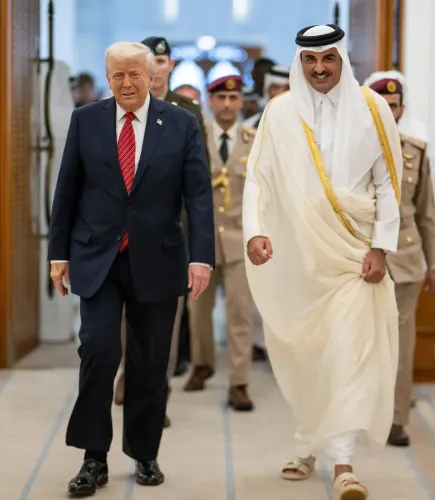
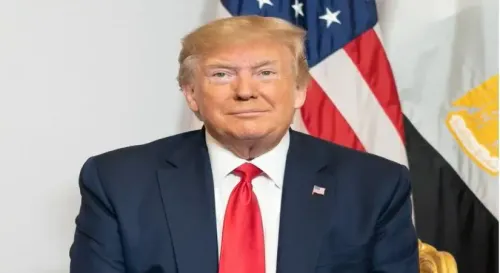
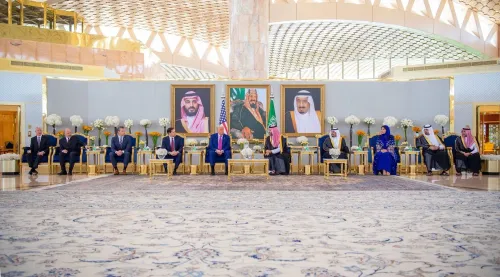
Trump Meets Qatar Emir in Bilateral Talks at White House
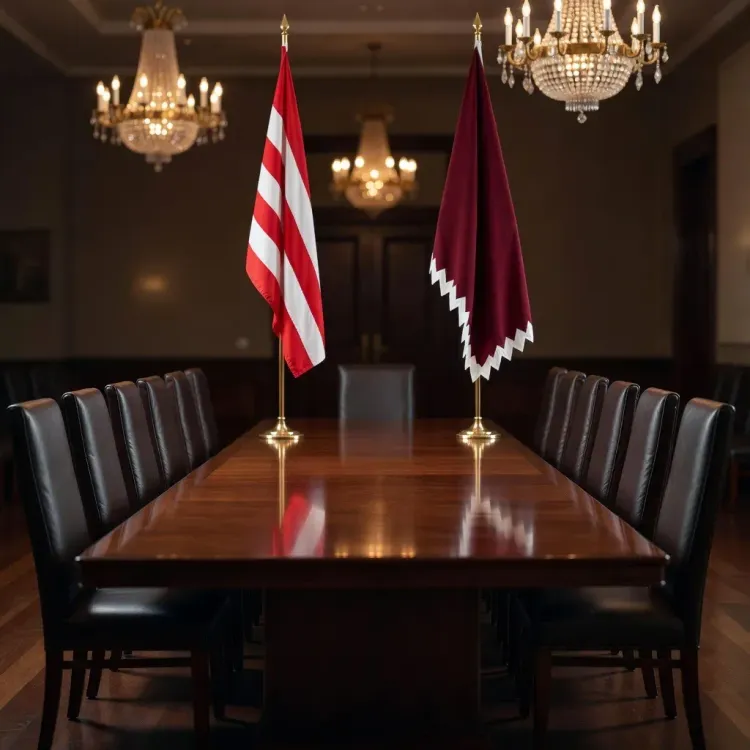
Synopsis
President Donald Trump met Emir Tamim bin Hamad Al Thani of Qatar at the White House on 16 June 2026. The bilateral covers key pillars of US-Qatari ties: Al Udeid Air Base, LNG energy trade, and Qatar's regional mediation role. The meeting signals continued American strategic engagement in the Gulf.
Key Takeaways
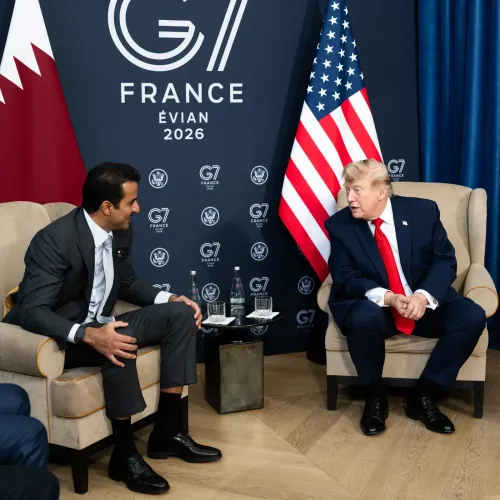
President Trump participated in a bilateral meeting with Emir Tamim bin Hamad Al Thani of Qatar on 16 June 2026 at the White House .
Qatar hosts Al Udeid Air Base , the largest US military installation in the Middle East and forward headquarters of US Central Command .
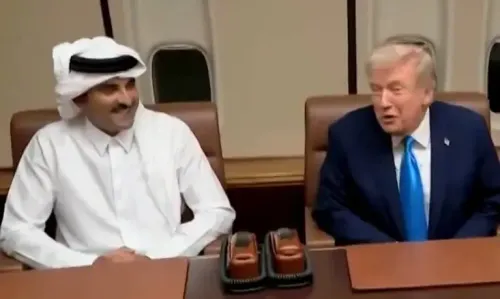
The two leaders previously met at the White House in 2017 during Trump's first term for discussions on counterterrorism and regional stability.
Qatar is a major global LNG exporter, making energy cooperation a key dimension of the bilateral relationship.
Doha has served as a critical mediator in regional conflicts involving Hamas and the Taliban , adding diplomatic value to the partnership.
Follow-on statements are expected on military access, energy trade, and regional mediation frameworks.
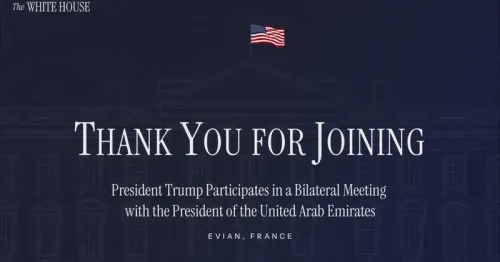
President Donald Trump participated in a bilateral meeting with Emir Tamim bin Hamad Al Thani of the State of Qatar on Tuesday, 16 June 2026, as confirmed by an official communication from the White House. The meeting marks a significant engagement between the two leaders, underscoring the enduring strategic partnership between Washington and Doha.
Context
Qatar has long occupied a central position in United States foreign policy in the Middle East, hosting the Al Udeid Air Base — the forward headquarters of US Central Command and the largest American military installation in the region. The base underpins US power projection across the Middle East and has been critical to American operations for decades. This bilateral meeting continues a pattern of high-level engagement between the two nations on shared security and economic interests.
The two leaders have met before at the highest level. In 2017, during Trump's first term, Emir Tamim visited the White House for discussions centred on counterterrorism and regional stability. That visit came against the backdrop of a significant Gulf diplomatic crisis, reflecting the complex dynamics that have historically shaped US-Qatari relations.
Policy Backdrop
Qatar is one of the world's largest exporters of liquefied natural gas (LNG), and energy cooperation has been a recurring thread in bilateral ties. As global energy markets remain volatile, Qatari LNG carries strategic weight for both American allies and Washington's own energy diplomacy. Trade and investment flows between the two countries have deepened over successive administrations.
Beyond energy, Qatar has played a notable mediation role in several regional conflicts, including serving as a key interlocutor in negotiations involving Hamas and the Taliban. Doha's ability to maintain open channels with parties that Washington does not directly engage has made it an indispensable diplomatic partner, even when the two nations have had periodic disagreements over regional alignments and financing concerns.
Stakeholders and Impact
The US military establishment has a direct stake in the health of the Washington-Doha relationship, given the operational importance of Al Udeid Air Base. Any agreements or understandings reached on military access and basing rights would have immediate implications for American force posture across the region. Qatari officials, for their part, seek continued American security guarantees as a counterbalance in a volatile neighbourhood.
The energy sector on both sides also watches such meetings closely. Qatar's state energy company has pursued long-term supply agreements with European and Asian buyers, and signals from Washington on trade and investment frameworks can influence the direction of those deals. Broader regional stakeholders — including other Gulf Cooperation Council states — will monitor the meeting's outcomes for indications of US posture on collective security arrangements.
What's Next
Follow-on diplomatic channels are expected to carry any concrete outcomes from the bilateral, including potential agreements on military access, LNG trade frameworks, or mediation efforts in active regional conflicts. Official readouts from both the White House and Qatari authorities are anticipated to provide further detail on the scope of discussions. The meeting signals that US-Qatar ties remain a cornerstone of American engagement in the Gulf, with the strategic partnership likely to deepen across security, energy, and diplomacy in the months ahead.
Point of View
The meeting fits a broader second-term pattern of transactional Gulf diplomacy where military access, LNG deals, and regional mediation are bundled into high-level summits. The outcomes — particularly on Al Udeid and energy frameworks — will be watched closely by Gulf neighbours recalibrating their own relationships with Washington.
NationPress
19 Sept 2026
Frequently Asked Questions
Why did Trump meet the Emir of Qatar in June 2026?
President Trump met Emir Tamim bin Hamad Al Thani at the White House on 16 June 2026 for a bilateral meeting covering the strategic US-Qatar partnership, which spans military basing, energy trade, and regional diplomacy.
What is Al Udeid Air Base and why does it matter?
Al Udeid Air Base in Qatar is the largest US military installation in the Middle East and serves as the forward headquarters of US Central Command, making it central to American military operations across the region.
What role does Qatar play in US Middle East policy?
Qatar hosts critical US military infrastructure, is a top global LNG exporter, and has served as a key mediator in conflicts involving groups like Hamas and the Taliban, making it an indispensable partner for Washington.
Have Trump and the Qatar Emir met before?
Yes. In 2017, during Trump's first term, Emir Tamim visited the White House for talks on counterterrorism and regional stability, establishing a precedent for direct bilateral engagement.
What could come out of the Trump-Qatar bilateral meeting?
Potential outcomes include agreements or understandings on US military access at Al Udeid Air Base, LNG trade frameworks, and coordination on Qatar's mediation role in active regional conflicts.