CM Dhami joins Harela tree plantation drive in Pauri Garhwal
Synopsis
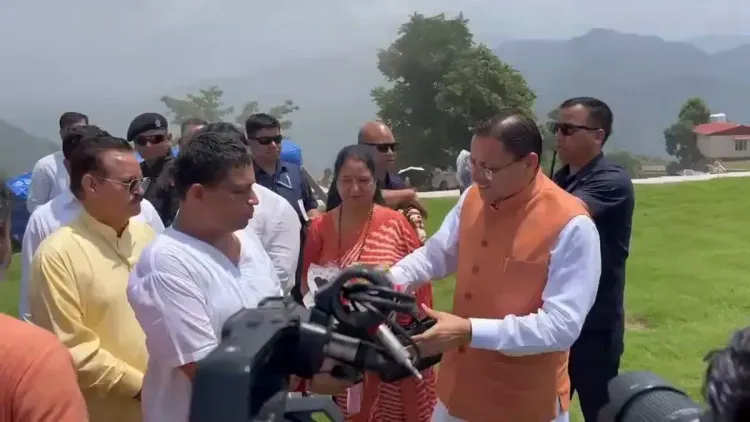
Chief Minister Pushkar Singh Dhami joined an intensive tree plantation drive at Malagrama in Pauri Garhwal's Yamkeshwar block on the occasion of Harela, Uttarakhand's traditional monsoon festival, reinforcing the state's 'Green Uttarakhand' afforestation agenda.
Key Takeaways
CM Pushkar Singh Dhami personally participated in a tree plantation programme at Malagrama, Yamkeshwar block, Pauri Garhwal on 14 July 2026 .
The event was held on the occasion of Harela , a traditional Uttarakhand festival marking the monsoon onset and dedicated to nature worship.
Dhami's participation was aimed at conveying a message of environmental conservation and the 'Green Uttarakhand' vision.
Uttarakhand has linked Harela to official afforestation drives for over a decade, combining cultural tradition with state policy goals.
Pauri Garhwal is an ecologically sensitive Himalayan district where plantation programmes support watershed protection and rural livelihoods.
The scale of saplings planted statewide during the 2026 Harela season and survival-rate data are expected to be released in the coming weeks.
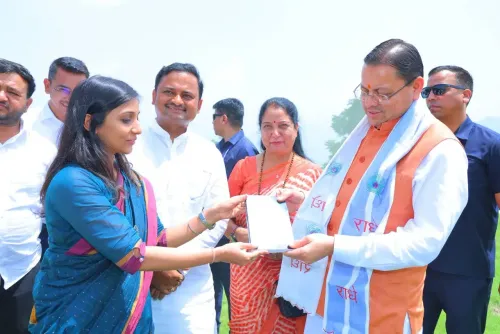
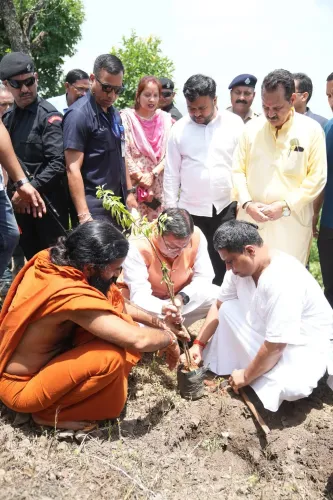
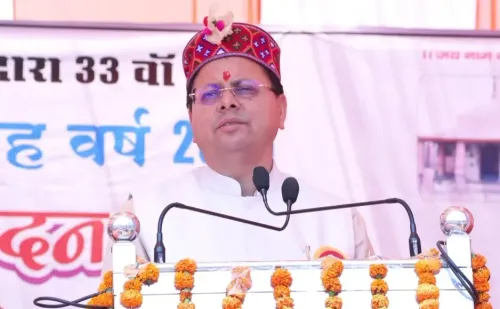
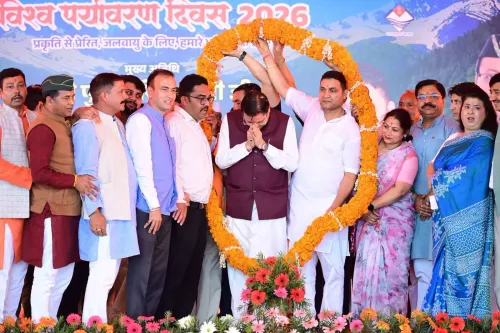
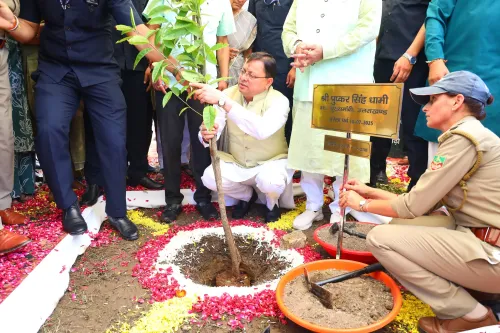
Chief Minister Pushkar Singh Dhami participated in an intensive tree plantation programme at Malagrama in the Yamkeshwar development block of Pauri Garhwal district on Tuesday, 14 July 2026, on the occasion of the Harela festival. The Chief Minister's Office of Uttarakhand announced that Dhami personally planted saplings at the event, conveying a message of environmental conservation and a 'Green Uttarakhand' vision.
Context
Harela is a traditional Uttarakhand festival observed in the month of Shravan, marking the onset of the monsoon season. The word Harela translates roughly to 'day of green' or 'day of trees,' and communities across the Garhwal and Kumaon regions have long celebrated it by planting saplings as an act of reverence for nature. The Chief Minister's Office shared that Dhami reached Malagrama village in Yamkeshwar block to take part in the sangan paudharopan karyakram (intensive plantation programme), underlining the cultural and ecological significance of the occasion.
Policy Backdrop
Uttarakhand governments have integrated the Harela festival into official afforestation programmes for over a decade, using the cultural moment to mobilise forest department staff, local communities, and elected representatives around measurable greening targets. The state maintains one of India's higher forest-cover percentages, yet faces persistent challenges of soil erosion, flash floods, and biodiversity loss in its fragile Himalayan terrain. Successive administrations — including the current one led by CM Dhami since 2021 — have framed Harela plantation drives as a pillar of the broader 'Green Uttarakhand' vision, linking cultural practice with compensatory afforestation goals and climate resilience planning.
Pauri Garhwal, where Tuesday's event was held, is a hilly district with significant forest cover and rich biodiversity. The Yamkeshwar block sits in a zone that is ecologically sensitive, making community-level plantation programmes there particularly relevant to watershed protection and rural livelihoods that depend on forest resources.
Stakeholders and Impact
The primary beneficiaries of such plantation drives are rural communities in the hills who depend on healthy forest ecosystems for water security, fodder, and protection from landslides. Forest department staff coordinate the logistics of sapling procurement, site selection, and post-plantation monitoring. By attending the event in person, CM Dhami signalled the administration's intent to keep afforestation a visible political priority rather than a bureaucratic exercise. Community participation during Harela also helps embed conservation habits at the grassroots, reinforcing the state's long-term ecological goals.
What's Next
Attention will now turn to the total scale of saplings planted across Uttarakhand during the 2026 Harela season and any follow-up announcements from the state government on survival-rate monitoring or new compensatory afforestation rules. The government is also expected to release district-wise plantation data in the weeks following the festival, which will provide a clearer picture of how effectively the cultural drive translates into measurable green cover. Observers will watch whether the administration ties this year's campaign to specific targets under national or state-level climate commitments.
Point of View
The administration underscores its outreach to hill communities who bear the sharpest consequences of ecological degradation. This fits a broader pattern across Himalayan states of using culturally resonant occasions to legitimise afforestation targets and build public buy-in for climate adaptation policies. The real test, as always, will be whether post-plantation monitoring ensures sapling survival rates that translate into measurable forest cover gains.
NationPress
14 Jul 2026
Frequently Asked Questions
What is Harela festival and why is it celebrated in Uttarakhand?
Harela is a traditional festival of Uttarakhand, celebrated in the month of Shravan to mark the onset of the monsoon. It is dedicated to nature and the environment, with communities planting saplings as an act of reverence for green life. The word Harela means 'day of green' in the local dialect.
Where did CM Dhami participate in the Harela plantation drive in 2026?
CM Pushkar Singh Dhami participated in the Harela plantation drive at Malagrama village in the Yamkeshwar development block of Pauri Garhwal district on 14 July 2026.
What is the 'Green Uttarakhand' vision mentioned by CM Dhami?
'Green Uttarakhand' is the state government's overarching afforestation and environmental conservation agenda, which links cultural festivals like Harela with measurable plantation targets and climate resilience goals for the Himalayan state.
Why is Pauri Garhwal significant for tree plantation drives?
Pauri Garhwal is a hilly, ecologically sensitive district in Uttarakhand with significant forest cover and biodiversity. Plantation drives there directly support watershed protection, prevention of soil erosion, and the livelihoods of rural communities dependent on forest resources.
How long has Uttarakhand been linking Harela with official afforestation programmes?
Uttarakhand governments have been integrating the Harela festival into official afforestation programmes for over a decade, using the cultural occasion to mobilise communities and forest department staff around state greening targets.