Trump Hails Unnamed Leader as Future of Middle East Beyond Iraq
Synopsis
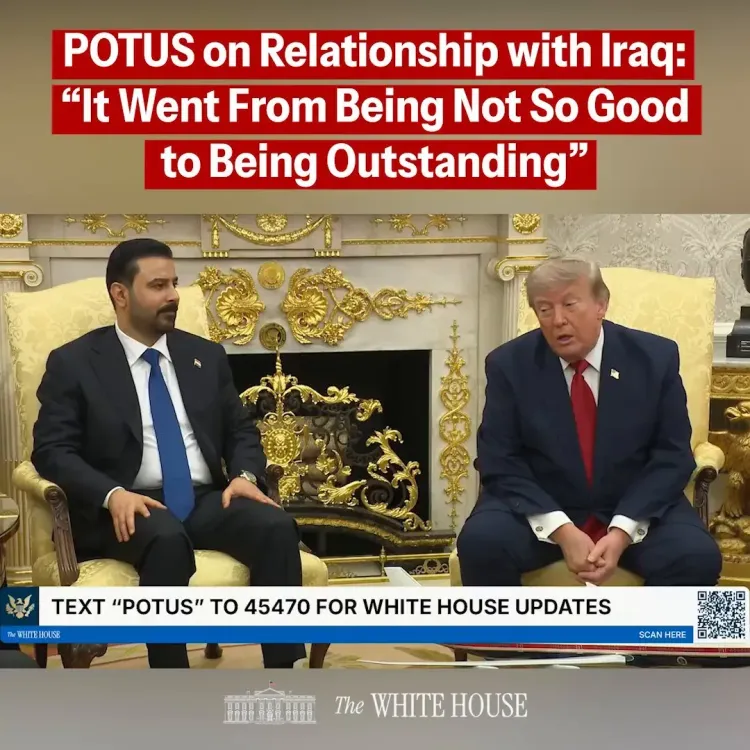
The White House shared a Trump quote on 14 July 2026 predicting that an unnamed individual will emerge as a dominant leader across the Middle East, with influence stretching far beyond Iraq. The identity of the figure was not disclosed in the post, which included a video.
Key Takeaways
President Trump predicted an unnamed individual will become 'a great leader in the Middle East, beyond Iraq,' with influence spreading 'all throughout the Middle East.' The statement was posted by The White House official account on 14 July 2026 , carrying executive-level weight.
The post included a video but did not name the individual Trump was referring to.
The remark echoes a pattern of U.S. presidential endorsements of specific regional leaders tied to counterterrorism and Iran containment goals.
The statement has immediate implications for Iraqi political dynamics and Gulf security arrangements.
Follow-up White House diplomatic activity is expected to clarify the identity and context of the endorsement.
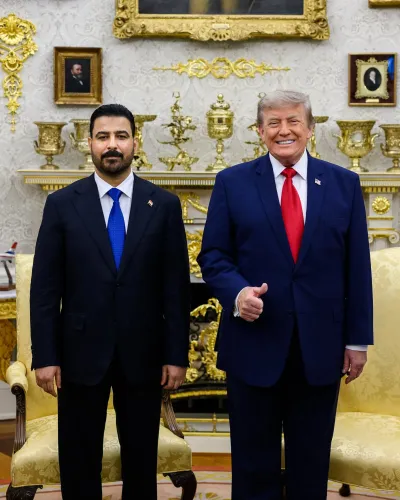
The White House on Tuesday, 14 July 2026, shared a direct quote from President Donald J. Trump praising an unnamed individual as a future transformative leader whose influence, Trump predicted, would extend well beyond Iraq and across the broader Middle East.
Context
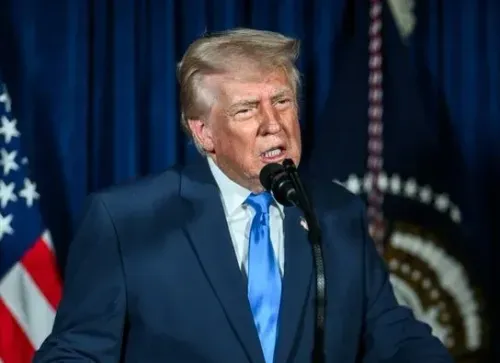
The post carries a verbatim quote attributed to President Trump: 'This man is going to be a great leader in the Middle East, beyond Iraq. His influence is going to spread all throughout the Middle East.' The statement was shared by the official White House communications account, lending it the weight of an executive-level endorsement, even though the individual being referenced was not named in the post.
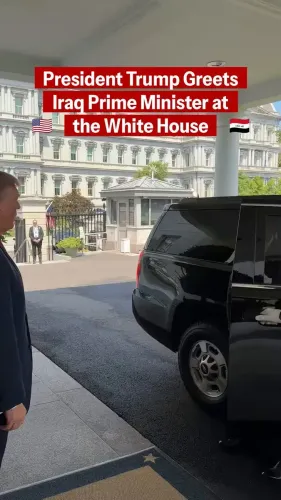
A video was attached to the original post, suggesting the remarks were drawn from a recorded meeting, address, or press interaction. The absence of a named subject has prompted significant speculation about the identity of the leader Trump was referring to.
Policy Backdrop
U.S. presidential endorsements of specific Middle Eastern leaders are not without precedent. During Trump's first term (2017–2021), the administration pursued the Abraham Accords, reshaping regional diplomacy by normalising relations between Israel and several Arab states. Engagement with Iraqi leadership was a consistent thread, including a 2020 White House meeting with then-Iraqi Prime Minister Mustafa al-Kadhimi focused on security cooperation and curbing Iranian influence.
Such statements from Washington have historically accompanied shifts in U.S. troop posture, counterterrorism strategy, or diplomatic initiatives in Iraq and the Gulf. An explicit presidential prediction of pan-regional influence signals that the unnamed figure may be seen by the Trump administration as a potential anchor for U.S. strategic interests in the region.
Stakeholders and Impact
The remark carries immediate implications for Iraqi political circles, where U.S. backing has historically shaped the fortunes of political factions and individual leaders. Regional Arab governments — particularly those in the Gulf — will be watching closely, as a U.S.-endorsed Iraqi figure with cross-border influence could alter the balance of power in ongoing negotiations over security arrangements and economic partnerships.
For countries wary of Iranian influence in Iraq and the wider Levant, a Washington-backed leader with regional ambitions may be welcomed as a counterweight. Conversely, Tehran and its allied factions are likely to view such an endorsement with concern.
What's Next
The identity of the individual praised by President Trump is expected to emerge through follow-up White House statements, diplomatic readouts, or the video content attached to the original post. Analysts will be watching for any scheduled bilateral meetings between U.S. officials and Iraqi or Gulf counterparts that might clarify the context of the remark.
Any formal diplomatic engagement — such as a White House visit or a joint communiqué — would significantly elevate the stature of the unnamed figure and signal the direction of U.S. Middle East policy in the second half of 2026. The statement, coming from the official White House account, is unlikely to be incidental and may presage a broader strategic announcement.
Point of View
Not an offhand remark. Trump's framing of the unnamed figure as a pan-regional force, rather than simply an Iraqi leader, suggests Washington may be positioning a new proxy anchor for its Middle East strategy as it navigates the post-Abraham Accords landscape. The explicit reference to influence 'beyond Iraq' is particularly significant: it implies U.S. comfort with, or active encouragement of, this figure's cross-border political or security role. For India, which maintains calibrated ties with both the U.S. and key Gulf states, the emergence of a new Washington-backed regional power centre will be a variable worth tracking closely.
NationPress
15 Jul 2026
Frequently Asked Questions
Who is the leader Trump praised as a future force in the Middle East?
The White House post did not name the individual. President Trump's quote referred to 'this man' without further identification, and the attached video is expected to provide more context.
What did Trump say about the Middle East leader on 14 July 2026?
Trump said, 'This man is going to be a great leader in the Middle East, beyond Iraq. His influence is going to spread all throughout the Middle East,' according to the official White House post.
Is the unnamed leader connected to Iraq?
The quote specifically frames the individual as someone whose influence will extend 'beyond Iraq,' implying an Iraqi base or connection, though no formal identification has been made.
What is the significance of the White House posting this quote?
Official White House posts carry executive authority, meaning this is not an informal remark. Such endorsements have historically accompanied shifts in U.S. diplomatic or military posture in the Middle East.
How does this fit into Trump's broader Middle East policy?
Trump's previous term saw landmark regional diplomacy including the Abraham Accords and direct engagement with Iraqi leadership on countering Iranian influence. This statement appears consistent with that pattern of backing specific regional figures.