Trump Holds Bilateral Meeting with Iraqi Prime Minister
Synopsis
President Trump held a bilateral meeting with the Prime Minister of Iraq on 14 July 2026, continuing a long pattern of US-Iraq diplomatic engagement centred on counterterrorism, Iranian influence, energy security, and the posture of American forces in the region.
Key Takeaways
President Trump met the Prime Minister of Iraq on 14 July 2026 in a formal bilateral meeting.
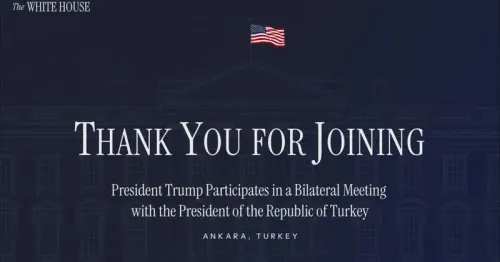
The meeting was announced by the White House official communications account.
US-Iraq relations are anchored in the 2008 Strategic Framework Agreement covering diplomacy, security, and economics.
Key issues in US-Iraq bilateral talks historically include counterterrorism, Iranian regional influence , and US troop posture .
The energy sector and US military are among the primary stakeholders watching the meeting's outcomes.
A follow-up joint statement on security assistance or force posture is expected from the White House .
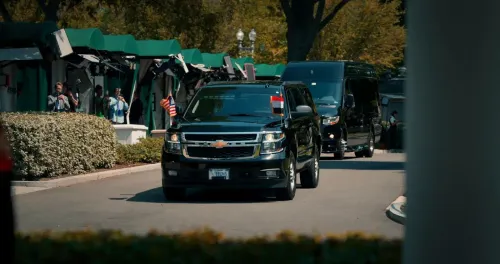
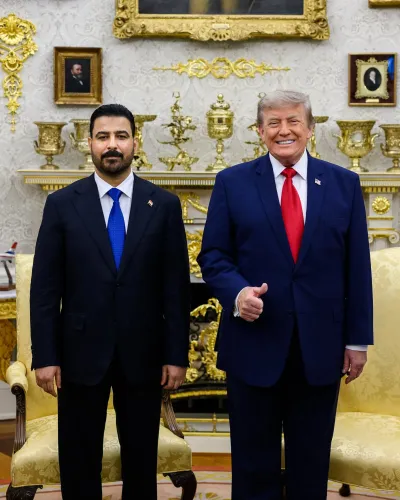
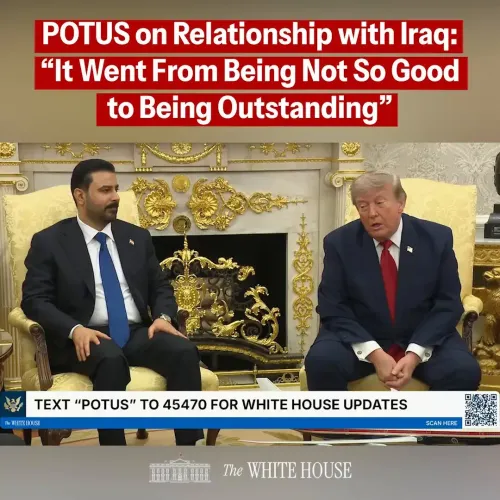
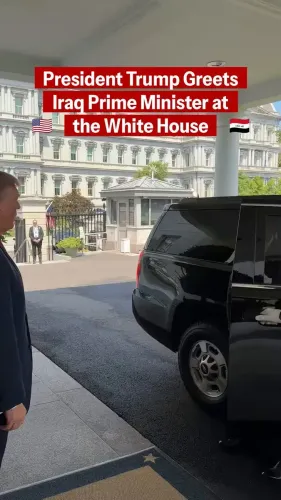
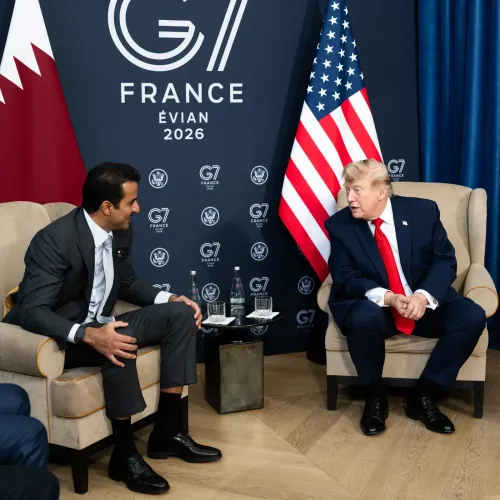
The White House announced on Tuesday, 14 July 2026 that President Donald Trump participated in a bilateral meeting with the Prime Minister of the Republic of Iraq, marking a significant diplomatic engagement between the two nations on matters of mutual strategic interest.
Context
US-Iraq bilateral meetings have been a recurring feature of American foreign policy across administrations, typically centred on counterterrorism cooperation, troop posture, and economic reconstruction. The engagement follows a long diplomatic lineage rooted in the 2008 US-Iraq Strategic Framework Agreement, which established the foundational architecture for long-term diplomatic, economic, and security ties between the two countries.
During Trump's first term, a notable bilateral meeting took place in 2017 with then-Iraqi Prime Minister Haider al-Abadi, focused primarily on counter-ISIS operations. The current meeting signals continued American engagement with Baghdad as a key partner in the Middle East.
Policy Backdrop
US-Iraq relations have historically been shaped by three interlocking concerns: the containment of militant groups, managing Iranian regional influence, and supporting Iraqi internal stability. Iraq remains one of the world's significant oil producers, and energy security continues to underpin American strategic interest in the country.
Bilateral meetings at the presidential level typically result in reaffirmations of security assistance commitments and discussions around the posture of US forces stationed in Iraq. The broader regional context — including ongoing tensions involving Iran and non-state armed groups — lends added weight to any such high-level engagement.
Stakeholders and Impact
The meeting holds significance for multiple stakeholders. US military planners and the diplomatic corps will closely watch any signals on force levels or security cooperation frameworks. The Iraqi government is navigating delicate domestic politics, balancing ties with both Washington and Tehran, making the tone and outcome of such meetings consequential for Baghdad's internal coalition dynamics.
The energy sector — particularly companies with interests in Iraqi oil fields — will also monitor whether economic cooperation or investment frameworks are discussed, as reconstruction funding and infrastructure development have featured in past bilateral agendas.
What's Next
Observers will look for a joint statement or readout from the White House detailing specific commitments made during the meeting, particularly on security assistance or any revision to the current US troop posture in Iraq. Any agreement on economic cooperation or energy investment would also signal the depth of the bilateral reset under the current administration.
The meeting reinforces the pattern of American presidents treating Iraq as a pivotal node in Middle East strategy — and its outcome could shape the trajectory of US engagement across the wider region in the months ahead.
Point of View
Such engagements serve a dual purpose: projecting decisive foreign policy leadership while pursuing transactional outcomes on security and energy. The timing is notable given persistent questions about US force levels in Iraq and the ever-present shadow of Iranian influence over Baghdad's political landscape. The meeting's real significance will be measured not by the optics but by whatever concrete commitments emerge in the follow-up readout.
NationPress
13 Oct 2026
Frequently Asked Questions
Why did Trump meet the Iraqi Prime Minister in July 2026?
The bilateral meeting was part of ongoing US-Iraq diplomatic engagement covering counterterrorism, security cooperation, and energy interests. Such meetings are a regular feature of US foreign policy toward Iraq.
What is the US-Iraq Strategic Framework Agreement?
Signed in 2008 , the US-Iraq Strategic Framework Agreement is the foundational document governing long-term diplomatic, economic, and security relations between the two countries.
What topics are usually discussed in US-Iraq bilateral meetings?
US-Iraq bilateral meetings typically address counterterrorism operations, Iranian regional influence, the posture of US forces in Iraq, reconstruction funding, and energy sector cooperation.
Has Trump met Iraqi leaders before?
Yes. During his first term, President Trump met Iraqi Prime Minister Haider al-Abadi in 2017 , with discussions focused on counter-ISIS operations.
What should India watch from the Trump-Iraq bilateral meeting?
India has significant energy and diaspora interests in the Middle East . Any shift in US security posture in Iraq or changes to regional stability frameworks can affect oil supply chains and the safety of the large Indian community working in the Gulf region.