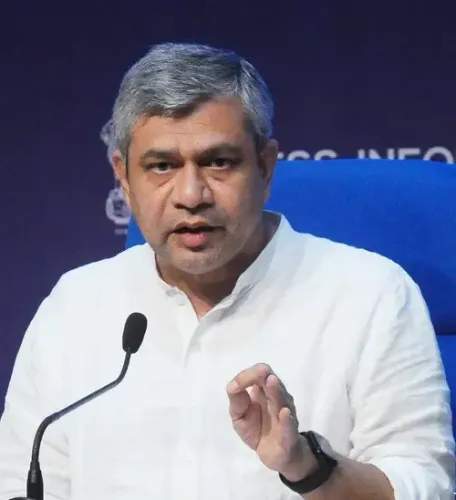
Vaishnaw Unveils Railway Construction Accountability Reforms
Synopsis
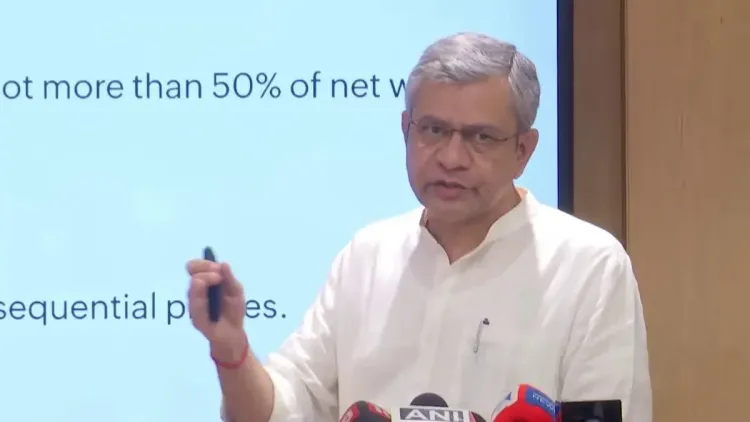
Union Minister Ashwini Vaishnaw has announced five railway construction reforms — upfront performance security, litigation-based contractor screening, all-risk and professional indemnity insurance, and the Rail Bhoomi Portal — to strengthen quality and accountability in Indian Railways projects.
Key Takeaways
Upfront Performance Security will be mandatory for railway construction contracts, raising the financial entry bar for bidders.
Litigation-based contractor screening aims to exclude firms with a history of contractual disputes from new tenders.
All Risk Insurance and Professional Indemnity Insurance will shift financial liability for on-site accidents and design errors to contractors.
The Rail Bhoomi Portal is designed to enable seamless digital land handover, addressing a key cause of project delays.
The reforms extend a policy direction in place since 2019 , aligning Indian Railways with accountability frameworks used in highways and metro construction.
Formal rollout timelines and the scope of tenders covered are yet to be specified in ministry circulars.
Union Minister Ashwini Vaishnaw on Tuesday, 14 July 2026 announced a package of structural reforms aimed at modernising railway construction standards, introducing mandatory financial securities, insurance requirements, and a dedicated digital land-handover portal to strengthen quality and accountability across Indian Railways projects.
Context
The minister's post outlined five specific reform pillars: Upfront Performance Security, litigation-based contractor screening, All Risk Insurance, Professional Indemnity Insurance, and the Rail Bhoomi Portal for seamless land handover. Together, these measures target the twin chronic failures in large-scale railway infrastructure — contractor underperformance and delays caused by unresolved land disputes.
Vaishnaw framed the announcement as part of a broader drive to 'modernise railways,' signalling that these are systemic changes to procurement and execution norms rather than project-specific interventions.
Policy Backdrop
The reforms build on a progressive tightening of contractual discipline within the Ministry of Railways that has been under way since 2019. Performance guarantees and insurance mandates have been incrementally introduced in major tenders over successive years, with the 2024-25 Railway Budget allocating record capital expenditure for network expansion alongside an explicit emphasis on project-execution discipline.
The approach mirrors accountability frameworks adopted in Indian highways and metro construction under the same administration, where upfront securities and indemnity insurance have been used to filter out under-capitalised or litigation-prone bidders before contracts are awarded. Global rail projects in markets such as the United Kingdom, Japan, and Germany have long employed similar instruments to attract credible, well-capitalised construction firms.
Stakeholders and Impact
Railway contractors and construction firms will face the most immediate operational impact. The requirement to furnish upfront performance security raises the entry bar for bidders, while litigation-based screening could disqualify firms with a history of contractual disputes — a measure intended to reduce the legal backlog that has historically stalled project timelines.
The All Risk Insurance and Professional Indemnity Insurance mandates shift financial exposure for on-site accidents and design errors from the state to the contracting entity, reducing contingent liabilities for Indian Railways. The Rail Bhoomi Portal directly addresses one of the most persistent bottlenecks in infrastructure delivery: land that is legally acquired but not physically handed over to contractors in time, causing cascading schedule slippages.
Passengers and freight customers stand to benefit indirectly if the reforms translate into faster project completion and fewer mid-construction stoppages on new lines, station redevelopments, and track-doubling works.
What's Next
The pace of implementation and the breadth of tenders to which these conditions will apply remain to be specified in formal ministry circulars. The next Railway Budget speech will be a key marker for whether these norms are extended across all new project tenders or remain confined to select categories. Parliamentary questions on Rail Bhoomi Portal adoption rates and contractor compliance are likely to follow as opposition members seek to assess on-ground impact.
If consistently enforced, the combined effect of financial screening, mandatory insurance, and digital land management could meaningfully reduce the cost and time overruns that have long undermined the return on India's record railway capital expenditure.
Point of View
Insurance mandates, and a digital land portal into a single reform package, the ministry is signalling a shift from reactive dispute resolution to preventive risk management. The political calculus is clear: with record capital expenditure committed to railways, the government needs visible execution improvements before the next electoral cycle. Whether these norms survive contact with the procurement bureaucracy and are uniformly enforced across all tender categories will determine whether this remains a ministerial announcement or becomes a structural change.
NationPress
13 Oct 2026
Frequently Asked Questions
What is the Rail Bhoomi Portal?
The Rail Bhoomi Portal is a digital platform introduced by the Ministry of Railways to facilitate faster and more transparent land acquisition and physical handover for railway infrastructure projects, reducing delays caused by unresolved land disputes.
What is upfront performance security in railway contracts?
Upfront Performance Security is a financial deposit or guarantee that a contractor must furnish before work begins, ensuring the government has recourse if the contractor fails to meet project milestones or quality standards.
Why is litigation-based contractor screening important for railways?
Screening contractors based on their litigation history helps Indian Railways exclude firms with a track record of contractual disputes, which are a significant cause of project delays and cost overruns in large infrastructure works.
What does All Risk Insurance mean for railway construction?
All Risk Insurance in railway construction covers financial losses arising from on-site accidents, natural events, or unforeseen damage during project execution, shifting the liability from the government to the contracting firm.
How do these railway reforms affect contractors in India?
Indian railway contractors will need to meet higher financial and compliance thresholds — including performance securities, insurance policies, and a clean litigation record — to qualify for new tenders under the reforms announced by Ashwini Vaishnaw .