Shivraj Singh Chouhan Backs New Tech to Cut Jute Farming Costs
Synopsis
Union Agriculture Minister Shivraj Singh Chouhan has highlighted how new machinery is making jute retting and fibre extraction faster and cheaper for farmers, describing it as a 'new journey of jute — from field to fabric' driven by technology.
Key Takeaways
Union Agriculture Minister Shivraj Singh Chouhan posted on 14 July 2026 about new technology reducing labour and costs in jute farming.
Retting and fibre extraction — historically the most labour-intensive jute processing stages — are now faster and more economical with modern machines.
Jute farming is concentrated in West Bengal , Bihar and Assam , where millions of smallholder farmers depend on the crop.
The Jute Technology Mission , launched in 2006 , has long aimed to modernise retting and processing across India's jute belt.
The minister's post was accompanied by a video, indicating a field-level demonstration or visit.
Wider roll-out across jute-growing districts ahead of the next season will determine the scale of impact on farmer incomes.
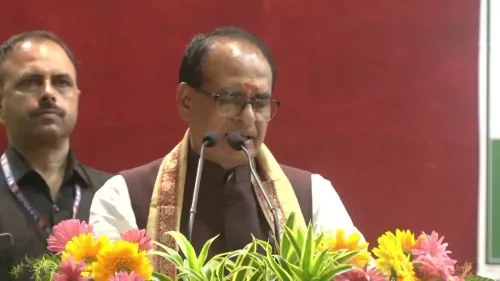
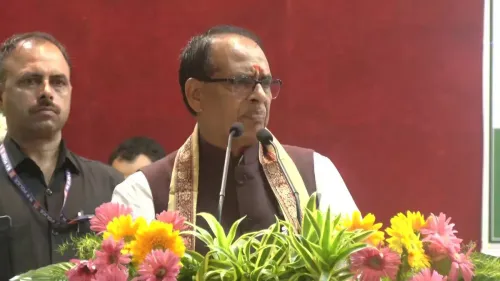
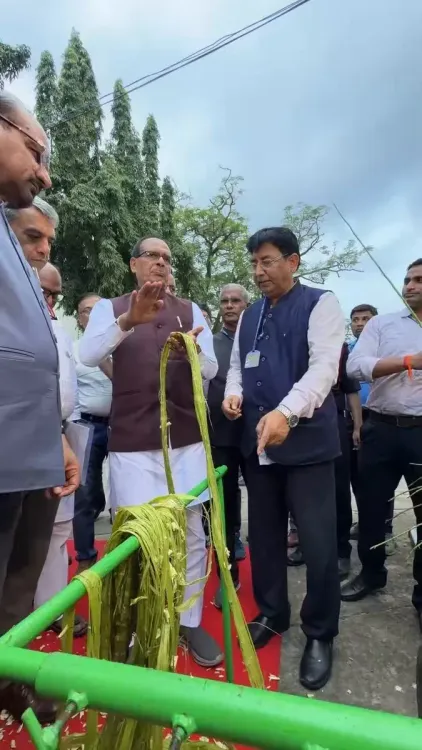
Union Agriculture Minister Shivraj Singh Chouhan on Tuesday, 14 July 2026, highlighted the transformative impact of new machinery and technology on jute farming, saying it is reducing both the labour and cost burden on farmers. Posting on X, the minister expressed satisfaction at witnessing what he called a 'new journey of jute — from field to fabric' powered by technology.
In his post, the minister wrote: 'Jute (patan) utpadan mein nayi taknik kisanon ki mehnat bhi kam kar rahi hai aur lagat bhi.' ('New technology in jute production is reducing both the labour and the cost for farmers.') He specifically noted that retting and fibre extraction — processes that previously demanded more time, effort and money — are now faster, easier and more economical with modern machines.
Context
Jute cultivation is concentrated in eastern India, primarily in West Bengal, Bihar and Assam, where millions of smallholder farmers depend on the crop for their livelihoods. Retting — the water-based process of separating jute fibre from the stalk — has historically been one of the most labour-intensive and time-consuming stages of jute processing, often carried out manually in ponds and water bodies over several weeks.
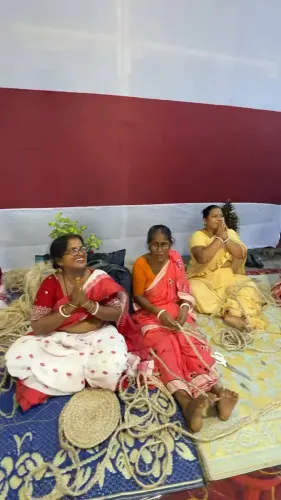
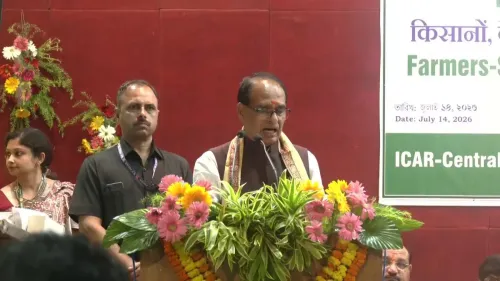
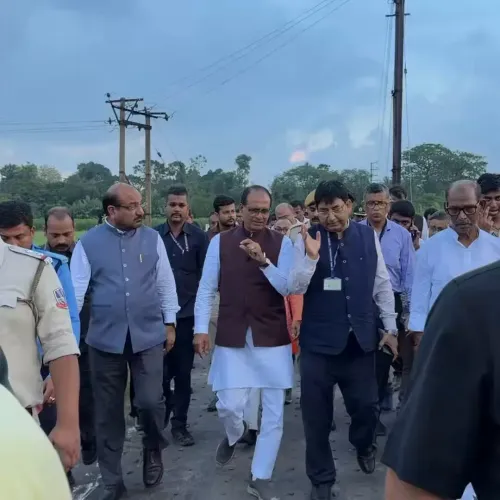
The minister's observation reflects a broader push by the central government to mechanise this stage of the jute value chain, bringing down drudgery and input costs simultaneously. His post also accompanied a video, suggesting a field-level demonstration or visit.
Policy Backdrop
India's focus on jute sector modernisation has a long policy lineage. The Jute Technology Mission, launched in 2006, was specifically designed to upgrade production, retting and processing methods across the jute belt. Successive governments have built on this foundation, channelling efforts through both the agriculture and textiles ministries to improve mechanised retting, fibre grading and value-chain efficiency.
The current emphasis aligns with the wider national goal of raising farmer incomes by reducing the cost of cultivation — a commitment that sits at the centre of the government's agricultural policy agenda. Mechanisation sub-missions under the agriculture ministry have progressively targeted labour-intensive crops where technology adoption can deliver the sharpest income gains.
Stakeholders and Impact
For jute farmers, the shift to mechanised retting and extraction carries direct financial implications. Manual retting can account for a significant share of post-harvest costs; faster, machine-assisted processing reduces the time a farmer's capital remains locked in an unharvested or unprocessed crop. Reduced drudgery also has social dimensions, as retting work has traditionally fallen heavily on farm households, including women.
Textile mills and jute goods exporters downstream also stand to benefit from more uniform, better-graded fibre produced through standardised mechanised processes. India remains one of the world's largest producers and exporters of raw jute and jute goods, and fibre quality is a key determinant of export competitiveness.
What's Next
Attention will now turn to how widely the highlighted technology is being rolled out across jute-growing districts in West Bengal, Bihar and Assam ahead of the next agricultural season. State-level adoption reports and any updated guidelines under the sub-mission on agricultural mechanisation will indicate the pace of scale-up.
If the mechanisation push gains traction, it could set a template for similar interventions in other traditionally labour-intensive crops, reinforcing the government's broader strategy of technology-led farm income enhancement.
Point of View
The minister is pitching technology adoption as farmer-friendly rather than farmer-displacing. The reference to the full value chain — 'from field to fabric' — also suggests a coordinated narrative between the agriculture and textiles ministries. Whether this translates into a formal scheme expansion or budget allocation will be the real test of intent.
NationPress
13 Oct 2026
Frequently Asked Questions
What did Shivraj Singh Chouhan say about jute farming technology?
He said new machinery and technology in jute production are reducing both the labour burden and costs for farmers, particularly in the retting and fibre extraction stages, making the process faster, easier and more economical.
What is retting in jute farming?
Retting is the process of separating jute fibre from the plant stalk, traditionally done by soaking bundles in ponds or slow-moving water for several weeks. It is one of the most time-consuming and labour-intensive stages of jute processing.
Which states in India grow the most jute?
West Bengal, Bihar and Assam are India's primary jute-growing states, accounting for the bulk of national production and employment in the jute sector.
What is the Jute Technology Mission?
The Jute Technology Mission was launched in 2006 to modernise jute production, retting and processing methods in India, aiming to improve fibre quality, reduce costs and raise farmer incomes across the jute value chain.
How does mechanisation help jute farmers?
Mechanised retting and fibre extraction reduce the time and manual effort required after harvest, lower post-harvest costs, improve fibre quality through standardisation, and free farm households — especially women — from physically demanding retting work.